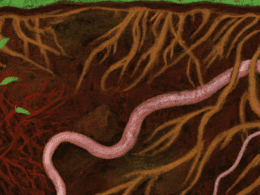
Plants survive winter in different ways: some keep their leaves, some display bare stems or berries, and others retreat into dormant roots until spring. Choose by the exact species and cultivar, your climate and the planting site. Winter survival does not mean continuous winter bloom.
Use the USDA hardiness map as a starting point in the United States, then consider drainage, wind, summer heat and container exposure. A zone rating describes cold tolerance under particular conditions, not a guarantee for every garden. The following eighteen choices retain different kinds of seasonal value.
1. Camellia
Camellias can provide evergreen foliage and seasonal flowers where the species and cultivar are hardy. Bloom may fall in autumn, winter or spring; severe cold can damage flowers even when the shrub survives. Check the named cultivar and soil requirements rather than expecting any camellia to thrive in a cold, exposed bed.
2. Hellebore
Hellebores offer persistent foliage and, in suitable climates, winter or early-spring flowers. Christmas rose and Lenten-rose hybrids do not have identical flowering schedules. Plant in suitable drained soil and position the flowers where you can see them from a path. They are ornamental plants, not edible herbs.
3. Winterberry holly
Winterberry loses its leaves and can display berries on bare stems. A compatible male flowering at the same time is normally needed for fruit on a female. ‘Jim Dandy’ is a male selection. Choose labeled nursery plants for a predictable pairing rather than expecting freshly sown seed to give a quick berry display.

4. Evergreen holly
An appropriate evergreen holly supplies winter foliage and sometimes fruit. Species differ in size, hardiness and soil preferences. Check pollination needs if berries matter, and keep ornamental fruit away from children and pets. See the holly-growing guide for the planting decisions.
5. Red-twig dogwood
Shrubby dogwoods can contribute colorful bare stems. Their leaves fall naturally; do not strip healthy summer leaves to expose the branches. Renewal pruning, when appropriate for an established plant, encourages younger stems. Use guidance for the exact shrub rather than applying the same treatment to flowering dogwood trees.
6. Heather and winter heath
These names cover plants with different seasons and soil needs. Calluna commonly supplies late-summer or autumn flowers, while selected Erica species and cultivars flower in winter. Confirm the label before buying for a particular month. Avoid planting into frozen or waterlogged ground simply because a plant is sold as winter color.
7. Firethorn
Pyracantha can provide foliage and berries in suitable climates. Its thorns make placement important: keep it away from narrow paths and play areas. Check local invasive-plant guidance and choose a cultivar appropriate to the site. Fruiting and foliage quality depend on conditions and pruning.
8. Paperbark maple
This deciduous tree contributes peeling bark and branch structure after its leaves fall. The display is bark, not branches shedding off the tree. Allow room for its mature crown, and choose a position visible from indoors. A young specimen takes time to develop the effect of a mature tree.
9. Hardy stonecrop
Hardy Sedum and Hylotelephium selections can return after winter, with some leaving useful dried seed heads. They are not all evergreen and do not generally bloom through freezing weather. Distinguish hardy garden forms from tender succulents sold under similar common names, and provide drainage suited to the plant.
10. Bee balm
Monarda is valued for growing-season flowers and pollinator visits. In a suitable climate its perennial roots survive while the top growth dies back. It contributes to a garden that returns in spring, not a winter flower display. Select locally suitable species or cultivars and allow adequate space.
11. Lily of the valley
This perennial can survive cold winters underground but loses its foliage. It can spread aggressively, and all parts are poisonous if eaten. Consider whether a contained location is appropriate before planting; winter survival alone is not a reason to introduce it into every garden.
12. Blue spruce
Blue spruce provides evergreen form where climate and site suit it. It can become a large tree and is vulnerable to disease in some regions. Do not choose it solely for needle color or assume a small nursery plant stays compact. Ask about locally better-adapted alternatives before investing in a specimen.
13. Boxwood
Boxwood can provide winter foliage and formal shape, but cold injury, disease and pest pressure vary by region and cultivar. It is not a pest-proof choice. Check local guidance, avoid crowding and consider the maintenance required to keep clipped forms healthy.
14. Catmint
Hardy catmint selections can return from dormancy after winter. Their purple flowers belong to the growing season, not a dependable snowy-winter display. Choose a cultivar for its mature spread and use it where summer flowering is useful, with other plants supplying winter structure.
15. Pansy
Pansies tolerate cool weather and can flower through parts of a mild winter. Severe or prolonged freezing may stop flowering or kill plants, depending on cultivar and establishment. Treat them as seasonal color matched to your climate, rather than a guaranteed perennial solution.
16. Hosta
Hostas survive suitable winters as dormant crowns and roots, while their leaves disappear. This is normal seasonal behavior. Plan another source of visible winter interest nearby, and protect the planting from conditions that leave crowns persistently waterlogged.
17. Primrose
Primula contains many species with different needs. A hardy garden primrose and a tender flowering pot plant cannot be treated as the same purchase. Check the botanical name, local hardiness and flowering season before planting outdoors.
18. Japanese maple
Japanese maples lose their leaves but can provide fine branch structure, and selected cultivars have striking bark. Hardiness and exposure tolerance vary. Protect a suitable planting from avoidable drought and harsh exposure, and allow for its eventual size rather than forcing a large tree into a small container.

Make a winter-survival plan
Combine a few visible structural plants with dormant perennials that will return in spring. Check moisture before the ground freezes, maintain suitable mulch away from trunks and crowns, and give container roots extra consideration. A covered pot is not automatically as protected as a root system in the ground.
For visible flowers, use the separate winter-flowering plant guide. For cold-season care, consult Minnesota Extension’s winter-protection guidance. Keep notes on what actually survives and performs well in your own garden before expanding the planting.
Images source: depositphotos.com.