


Welcome to the vibrant world of Indiana perennial gardening, where the art of creating vibrant gardens with seasonal blooms is both a passion and a science. As you embark on your journey to cultivate an enchanting outdoor oasis, you’ll discover that perennials serve as the cornerstones of a dynamic and ever-evolving landscape. With informed choices and thoughtful care, these steadfast bloomers will transform your outdoor flower planting endeavors into a canvas of perennial charm, returning year after year to infuse your garden with life and color.
Purdue University Cooperative Extension Services heralds perennials as the essential backbone of any well-devised garden in Indiana. From the architectural foliage of hostas to the sunshine-like spires of daylilies, to the classic simplicity of the daisy, each plant contributes a unique thread to the tapestry of your garden. Beyond their visual allure, perennials gift gardeners with minimal care needs, although an understanding of their specific requirements and occasional rejuvenation through division will ensure their continued vigor and bloom.
Whether you’re a seasoned green thumb or a budding horticulturist, the path to a perennially beautiful garden is just a plan away. So roll up your sleeves and prepare for a rewarding venture into the realm of outdoor flower planting, Indiana style, where seasons come and go, but the beauty of your garden endures.
Embracing the Best Perennials for Indiana’s Climate
Indiana gardens span different winter conditions. Check your address on the USDA map and choose perennials for the actual site, rather than treating the whole state as Zone 6.
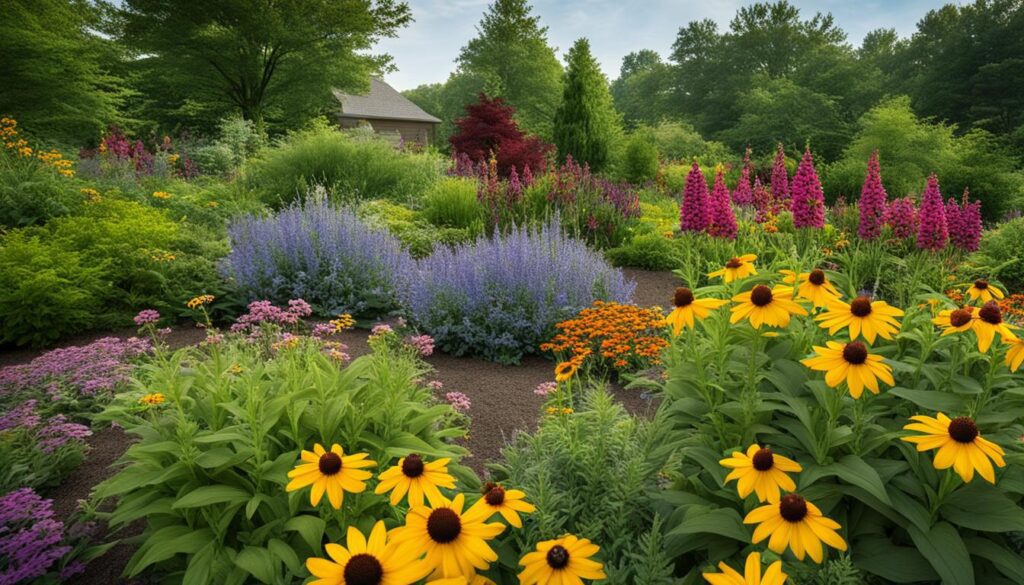
When envisioning your garden, imagine a space where blooms reappear with the seasons, creating a lasting legacy with fewer yearly tasks. To achieve this, garden preparation is paramount; a critical step that aligns with Purdue Cooperative Extension’s guidance for a flourishing perennial showcase.
Essentials of Perennial Gardening in Indiana
Start with drainage, light and soil-test results. Buy named peonies as divisions or nursery plants; seed-grown plants take longer and do not reliably reproduce a named cultivar. Propagation methods vary among perennials.
The Backbone of Indiana Gardens: Perennials
An effective perennial garden is akin to a well-orchestrated symphony where each plant plays a specific role without overshadowing another. It is essential to account for mature plant sizes, avoiding overcrowding and excessive competition from annuals. Choose a harmonious array of heights, colors, and textures to enhance your garden’s aesthetics throughout the seasons. Look to vibrant Indiana hardy perennials such as hollyhocks, and the versatile hosta, to anchor your space and dazzle all who wander through.
- Invest in plants suited for USDA Zone 6 flowers to ensure winter survival and seasonal enjoyment.
- Strategize plant placement for visual impact, considering sunlight requirements and companion planting for growth and health.
- Regularly research new perennial care techniques to keep your garden thriving and dynamic.
By following these guidelines, you’ll create not just a garden, but a legacy of lush, enduring beauty that celebrates the Indiana climate and serves as a personal retreat for years to come.
Beginning Your Bloom Journey: Planning Your Indiana Garden
Embarking on the creation of your personal paradise begins with meticulous garden landscape planning. Consider this the blueprint of your thriving outdoor space, where every detail from Indiana planting zones to specific plant attributes will contribute to a harmonious whole. Your approach to planning not only frames the present but also sets a sustainable course for the future of your garden.
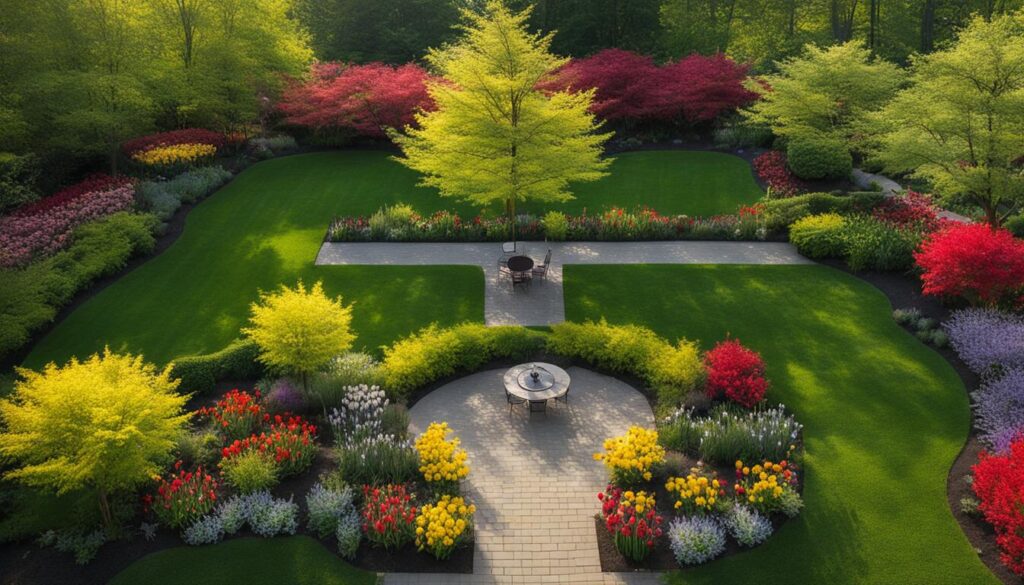
When you dive into soil preparation, you’re setting the stage for your plants to put down roots and flourish. Think of the soil as the foundation of your home; it should be robust and nurturing to sustain life through every season. Now, consider how the overall garden layout will reflect your personal aesthetic while also providing the practicalities that plants need to thrive in Indiana’s Zone 6 climate.
Choosing the Right Plants for Your Landscape
The journey to a captivating garden starts with selecting the right plants. Be mindful to choose varieties that not only appeal to your senses but are also well-suited to our Indiana planting zones. Your landscape’s beauty depends on these living elements that, when matched with the climate and conditions of your garden, create an enduring outdoor retreat.
- Research plants that thrive in Zone 6 and align with the sun and shade areas in your yard.
- Plan for perennials that offer a diverse palette of colors, textures, and heights to enrich your landscape’s dimension.
- Purchase your seeds and plants from credible nurseries to ensure that your garden grows from the highest quality origins.
Soil Preparation and Planting Techniques
Proper soil preparation is not just a task—it’s an investment in the future success of your garden. By enriching and structuring your soil to promote drainage and fertility, you provide a nurturing environment for your plants to prosper.
- Begin with testing your soil to assess its condition and apply amendments as needed.
- Incorporate organic matter to enhance soil structure and water retention.
- Use a thoughtful planting strategy that allows each plant enough space to reach its full potential over time.
Remember, your Indiana garden is not just a collection of plants—it’s a living, evolving canvas that reflects your dedication to the craft of gardening. As you follow these steps, you’re not only building a garden, you’re crafting an enduring legacy of beauty and nature right in your own backyard.
The Charm of Peony Bushes in Indiana
Herbaceous peonies (Paeonia species and hybrids) offer spring to early-summer flowers in suitable sunny, well-drained beds. They are not all Paeonia officinalis.
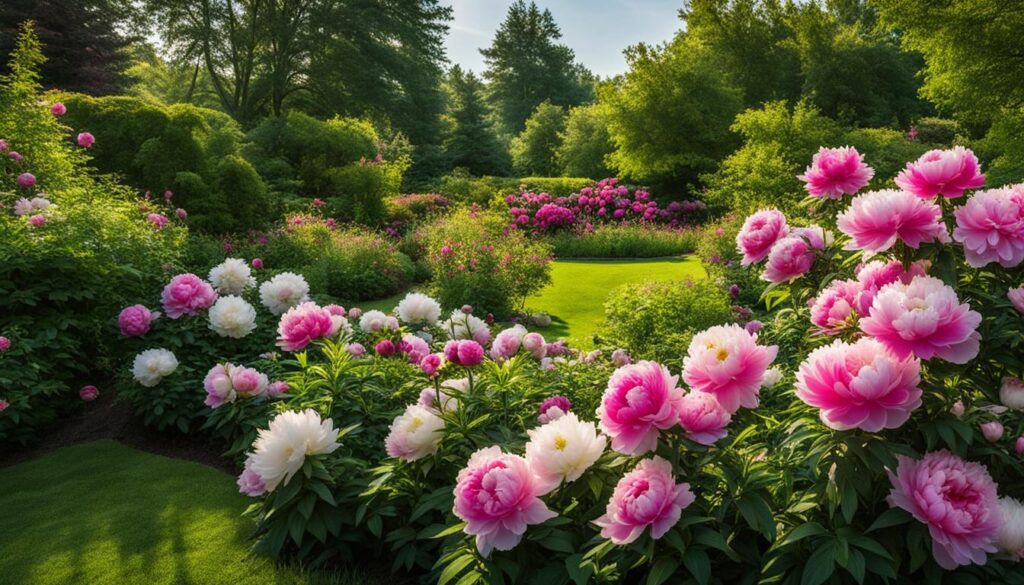
Renowned for their easy-going nature, these perennials require minimal effort for maximum reward. They adapt impeccably to the Hoosier state’s climate, flourishing in full sun and relishing in the well-drained Indiana soil, thus securing their place as one of the most beloved features in our annual display of horticultural artistry.
- Low-maintenance charm: Beyond their showiness, peonies ask very little of you, making them a perfect fit for the busy gardener.
- Diverse in type: With numerous variations, there’s a peony for every corner of your garden space, from the classic whites to the deep reds.
- Decades of delight: Peonies are long-lived, offering the joy of return with each passing year, almost symbolizing the continuity of beauty in your garden.
Whether you’re new to the gardening world or you’re looking to refine your canvas of perennials, the peony is a choice that promises to elevate your outdoor space with little demand, leaving a legacy of vibrant blooms to be cherished year after year.
Leveraging Hostas’ Versatility in Shaded Indiana Spots
If you’re planning your Indiana landscaping, there’s a versatile perennial that thrives in the dappled light beneath trees or in the cool respite of northern exposures: the hosta. Renowned for their easy-going nature, hosta varieties are a quintessential component of shade gardens, providing lush foliage and serving as a charming underpinning to taller plants. As an Indiana gardener, you have a palette of hostas to choose from, with leaf color diversity that includes every hue from vibrant greens to deep blues and even hues of gold.
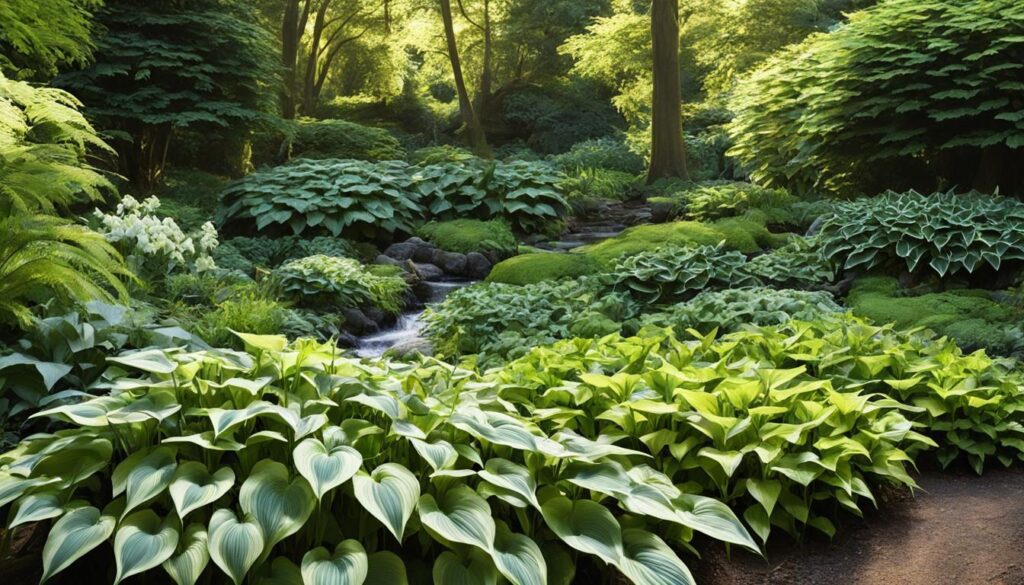
Hostas not only offer a robust selection of colors and sizes, which can vary from a petite 6 inches to a sprawling 6 feet, but they also contribute varying textures to your garden. The wide range of sizes enables you to create layers and depth, ensuring that your shaded retreat remains visually interesting throughout the growing season.
- The key to success with hostas is ensuring they’re planted in moist, well-drained soil, setting them up for years of lush growth.
- When planting, give them room to expand to their full size, so you’ll be rewarded with their full, natural shape.
- Mix and match hostas with ferns to give your garden a contrast in textures, forming an idyllic backdrop for other shade-loving blooms.
Whether you’re crafting a serene path lined with these verdant plants or designing a full shade garden, hostas are a reliable choice for building a garden space that’s both easy to maintain and beautiful to behold. So, when you plan your garden, consider the hosta’s ability to adapt to various shade conditions, their resilience, and the effortless charm they can add to your Indiana garden.
Daylilies: combine cultivars for a longer season
Individual daylily flowers last about a day, while a clump carries successive buds. Most cultivars have a defined bloom period; reblooming cultivars and a mix of early and late selections can extend the display.
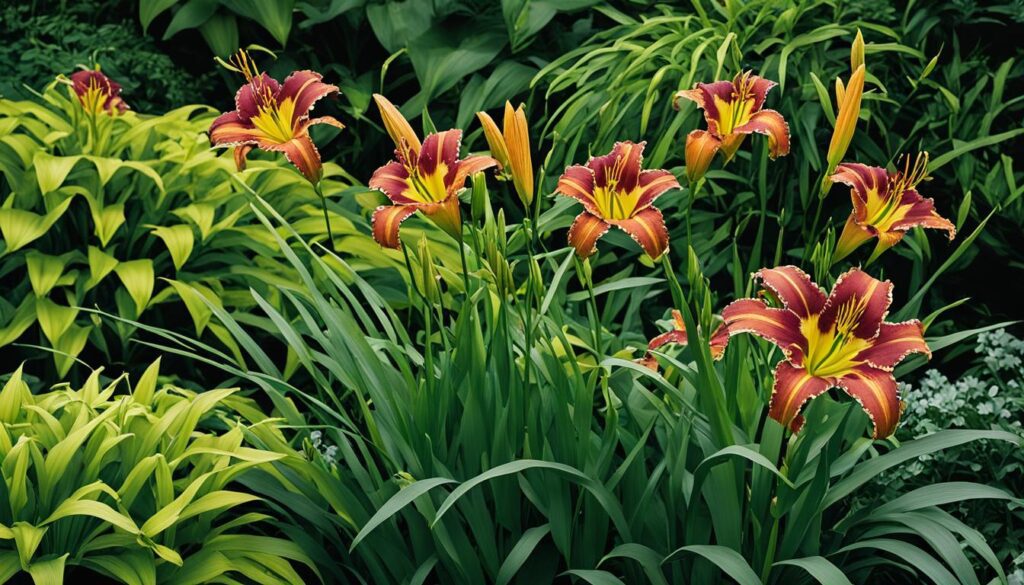
Daylily Care and Companion Planting
Embark on the journey of growing daylilies with confidence. These low-maintenance stunners are a breeze to keep, requiring only basic care to produce a bountiful display. For example, a reliable companion plant like the ninebark offers an attractive backdrop to these dazzling stars. Adaptable to most soil types, daylilies are forgiving and continue to grace your Indiana garden with spectacular recurring blooms. Remember to water deeply until established and consider their companions to boost both visual and ecological appeal.
Varieties of Daylilies for Indiana Gardens
Select named daylily cultivars for local hardiness and flowering time. “Daylily” alone does not promise continuous summer flowers.
- Opt for reblooming varieties to enjoy waves of flowers from early summer to fall.
- Consider features such as bloom size and foliage when selecting daylilies to complement your garden’s aesthetic.
- Pair with complementary perennials and shrubs to create a dynamic landscape that captivates through the seasons.
Daylilies herald the epitome of garden grace and resilience. By planting these treasures in your Indiana outdoor space, you embrace a tradition of beauty redefined each summer, with minimal fuss and maximal reward. Let these versatile bloomers transform your garden into a living palette that sings from spring to fall’s last light.
The Hardy Perennial Hibiscus: A Summer Stunner
As an Indiana gardener, you’re likely on the lookout for stunning garden centerpieces to beautify your outdoor space. Enter Hibiscus moscheutos, a hardy perennial that is a true showstopper for your summertime garden palette. These robust plants are well-known for their extraordinarily big blooms, capable of creating eye-catching points of interest in any setting.
Imagine the impact of these lush, colorful behemoths, with some varieties boasting flowers up to 12 inches in diameter. Ideal for adding a tropical flair to even temperate gardens, the Indiana summer perennials draw every eye, complementing your landscape with a diversity of vibrant reds, pinks, and whites.
In the Indiana summer, these perennials reach for the sky, growing up to 8 feet tall and 4 feet wide, becoming the summertime sentinels of your garden. Yet, despite their towering presence and show-stopping flowers, Hibiscus moscheutos are surprisingly low-maintenance. They ask for little beyond a patch of full sun and moist soil to reach their breathtaking best.
- Plant Hibiscus moscheutos in an area that receives plenty of sunshine to encourage maximum blooming.
- Consider the soil moisture; these plants thrive in moist conditions, which is essential for supporting their impressive size and big blooms.
- Although they make for incredible garden centerpieces, ensure adequate space around each plant to allow for proper air circulation and growth.
Hardy hibiscus offers large summer flowers when moisture, light and season length suit it. It emerges late in spring, so avoid disturbing the crown prematurely.
Yarrow’s Resilience: A Tough and Colorful Addition
Amid the kaleidoscope of plants in your Indiana landscaping, Achillea millefolium, commonly known as yarrow, stands out as both an unyielding survivor and a vibrant contributor. Known for its impressive heat and drought tolerance, yarrow is an exemplary choice for drought-tolerant planting schemes. With a beauty that belies its sturdiness, this perennial brings a touch of wilderness and color to your garden infusions.
- Its flowers, boasting shades of yellow, white, pink, and terra-cotta, form a palette that welcomes summer with impressive versatility.
- The plant’s ability to thrive in full sun and well-drained soil complements its knack for height, reaching up to 3 feet and spreading around 2 feet in width.
- Yarrow may be less favored by deer and rabbits, but browsing can still occur.
Yarrow’s easy integration with perennials like the late-blooming sedum ensures an extended season of color, and its feathery, textured foliage offers a contrast that enhances the overall appeal of your plant assemblage.
Through the hottest of summers and driest of spells, Achillea millefolium endures, making it a trusted companion in the pursuit of a thriving, resilient outdoor space. It is garden artistry at its finest — a true celebration of nature’s strength and beauty.
Cultivating the Classic Beauty of Hydrangeas in Indiana
There’s something timelessly enchanting about hydrangea cultivation, stirring emotions and recollections of nostalgic gardens once explored in the wonder years of childhood. As you ponder Indiana’s favorite flowering shrubs, consider introducing the elegant hydrangea to your landscape design. Not only does it grace myriad gardens with its voluminous blooms, but it also serves as a nod to a bygone era of garden splendor. These staple plants of Indiana’s nostalgic gardens have an adaptable nature, cementing their status as versatile garden highlights.
The Sentimental Favorite: Remembering Childhood Gardens
Hydrangeas evoke a sense of wonder reminiscent of gardens past, where their lush, expansive flowers would enchant onlookers and create a spectacle of shades. With proper care and positioning, these Indiana flowering shrubs will take center stage as living mementos within your personal oasis. Whether you’re accentuating a walkway or framing a cozy nook, hydrangeas fit the role perfectly, marrying practical landscape accenting with an aesthetic flush of color worth remembering.
Their voluminous petals offer more than beauty; they’re a beacon for nature’s most industrious workers. By planting hydrangeas, you’re inviting a symphony of birds, bees, and butterflies to your garden, adding vibrancy not only visually but also ecologically. This rewarding interaction extends the joy of your private sanctuary, as these creatures find habitat amongst the blossoms.
Committing to hydrangea cultivation goes beyond mere plant care — it’s about embracing the multifaceted benefits these shrubs provide. From enhancing your garden’s biodiversity to bringing the outdoors in, their cut blooms continue to delight long after stepping back into the comfort of your home. Think of hydrangeas as bridges between the external natural world and your indoor spaces, constantly refreshing your connection with nature.
- Opt for well-drained soils when planting hydrangeas to promote root health and abundant flowering.
- Consider container gardening as an alternative if your landscape’s soil isn’t ideal — hydrangeas adapt well to pots.
- Create an evolving display by combining different hydrangea varieties, each with its unique shape and color palette.
In summary, the lush appeal of hydrangeas captures hearts and enriches the garden experience. As you continue to explore the depths of your own Indiana garden, allow the timeless beauty of these shrubs to lead you toward creating an environment punctuated by both personal memory and horticultural excellence.
Attracting Wildlife with Indiana-Friendly Flowers
Turning your Indiana garden into a haven for wildlife enriches not only your own experience as a gardener but also contributes vitally to ecosystem support. By integrating a variety of pollinator-attracting flowers and Indiana native plants, you take an active role in wildlife gardening, creating a lively sanctuary for an array of creatures that add vibrancy and life to your outdoor space.
The Joy of Butterfly Gardening
The sight of butterflies flitting through the garden brings an unspoken joy and lightness to the heart of every nature lover. The inclusion of butterfly favorites like columbine and butterfly weed in your plantings is essential. These species thrive in Indiana’s conditions and offer critical nectar sources for butterflies. Coupled with their alluring hues and charming shapes, they are a magnet for these winged beauties.
- The purple coneflower not only stands out visually with its bold, magenta petals but is a favored pit stop for monarchs during their migrations.
- By planting these specific varieties, you ensure a colorful ballet of butterflies gracing your garden each season.
Bird-Friendly Flowers for Indiana Gardens
Supporting birds is as crucial as caring for pollinators, with both playing integral roles in the health of our local environments. Goldenrod and swamp milkweed not only catch the eye with their vibrant yellow and pink blossoms but also act as hosts to various insects, providing an abundant food source for our feathered friends.
- The inclusion of Indiana’s bird-friendly flowers contributes to creating a rich, attractive ecosystem right in your backyard.
- Consider these native plants not just for their beauty, but as an investment in nurturing and maintaining a balanced, lively garden community.
Conclusion
As you reflect on the adventure of cultivating your personal Indiana garden oasis, the enduring beauty of perennials remains a highlight of the experience. The peony state flower, emblematic of Indiana’s rich horticultural tradition, serves as a powerful symbol of the gardening legacy you are building. Known for its lush, extravagant blooms, the peony encapsulates the essence of an elegantly designed garden—the notion of returning grace with each passing season.
The Impact of Indiana State Flower: The Peony
The peony goes beyond mere adornment; it weaves into the fabric of your garden’s history, championing the values of durability and magnificence. With such perennial favorites, your garden is destined to flourish, becoming a wellspring of inspiration and serenity for both yourself and the natural world you support. From the arresting display of the peony to the myriad of other plants chosen with care, each contributes to the living mosaic that is your garden.
Transforming Your Garden Into an Indiana Oasis
Your labor and dedication go far in creating more than just an arrangement of plants, but a true Indiana garden oasis. Each perennial you tuck into the soil is part of a continuum, an unfolding story that will tell tales of vibrant summers and provide sanctuary for wildlife. This act of gardening is, in effect, the crafting of a legacy. A legacy in which beauty is perennial, the solace of nature is sovereign, and the splendor of Indiana’s flora is celebrated with every bloom that unfurls in your backyard retreat.
Can Perennials Survive in Pots During Winter?
Perennial roots in containers are more exposed to cold than roots in the ground. Choose sufficiently hardy plants and a suitable protected overwintering method; mulch alone does not guarantee survival. Ensure drainage and monitor moisture through winter. Ask local extension staff about your plant and container before leaving it outside.