

Preparing to cultivate a vibrant Colorado garden? Understanding the Rocky climate flora is essential. With the right flower planting guide for Colorado, you can select the best perennials that Colorado offers. Blessed with a varied climate, gardens in the Centennial State face unique challenges, yet there’s an array of plants that flourish, bringing color and life to your outdoor spaces.
CSU trial results are useful evidence of performance at the trial location, not a guarantee for every elevation in Colorado. Match the plant to your winter conditions, growing season and soil.
Discover the Charm of Colorado’s Native Flowers
Colorado native plants come from many habitats. A mountain woodland species and a dry-plains species are not interchangeable. Use CSU’s native perennial guidance to match habitat to garden conditions.
The Allure of Rocky Mountain Columbine
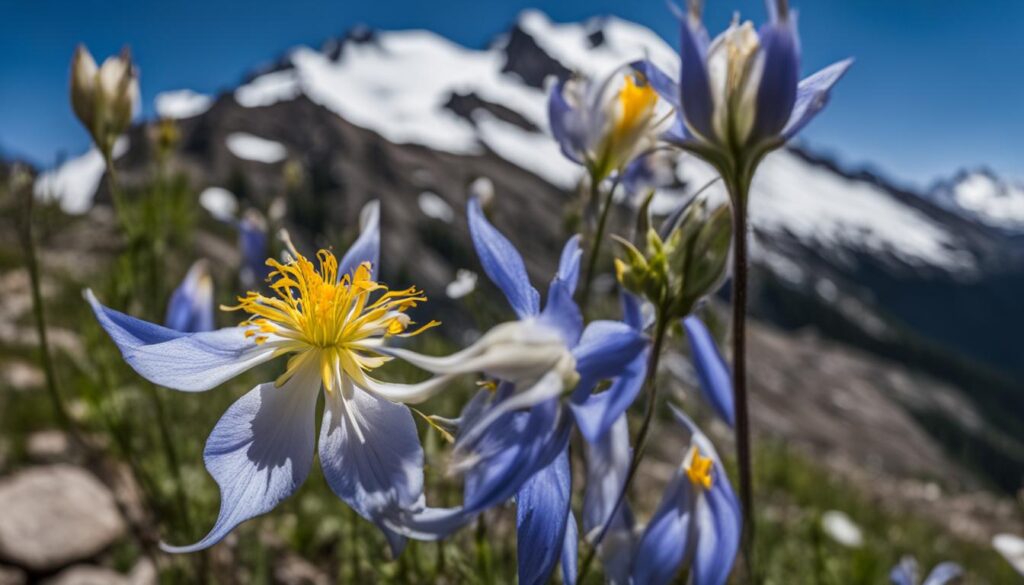
Imagine delicate petals of blue and white dancing in the breeze; the Rocky Mountain columbine, Aquilegia caerulea, captures the essence of alpine elegance. This native gem, requiring scant maintenance, is a testament to both beauty and resilience. Thriving in varied conditions, from full sun to part shade, it’s a prized addition for its deer resistance and suitability for container gardening. With its ability to enchant, this flower is a proud emblem of Colorado’s rich floral heritage.
Thriving Through Seasons: The Resilience of Native Species
For the gardener seeking enduring beauty with minimal fuss, thriving wildflowers Colorado natives are indeed the quintessential choice. With a myriad of species to choose from, these perennials not only withstand the state’s unique weather patterns but also emerge year after year with spirited blooms. Their adaptability makes them perfect for low-maintenance Colorado landscaping, creating vibrant scenes of color that withstand both time and elements. Found in nature’s untended plots, they exude a charm that’s effortlessly sustained.
- Rocky Mountain columbine: A beacon of low-care charm in shades of blue and white
- Purple coneflower: a garden perennial, but do not assume it is locally native to your Colorado site.
- Shasta daisy: a garden hybrid, not a Colorado native wildflower.
Separate native-plant goals from general ornamental choices. Both require appropriate light, moisture and space.
The Vibrant Ground Covers: Perfect for Colorado Landscapes
Groundcovers vary in water needs. A sunny, sharply drained ice-plant bed and a shaded lamium bed need different management.
Low-Growing Beauty: Granita Orange Ice Plant
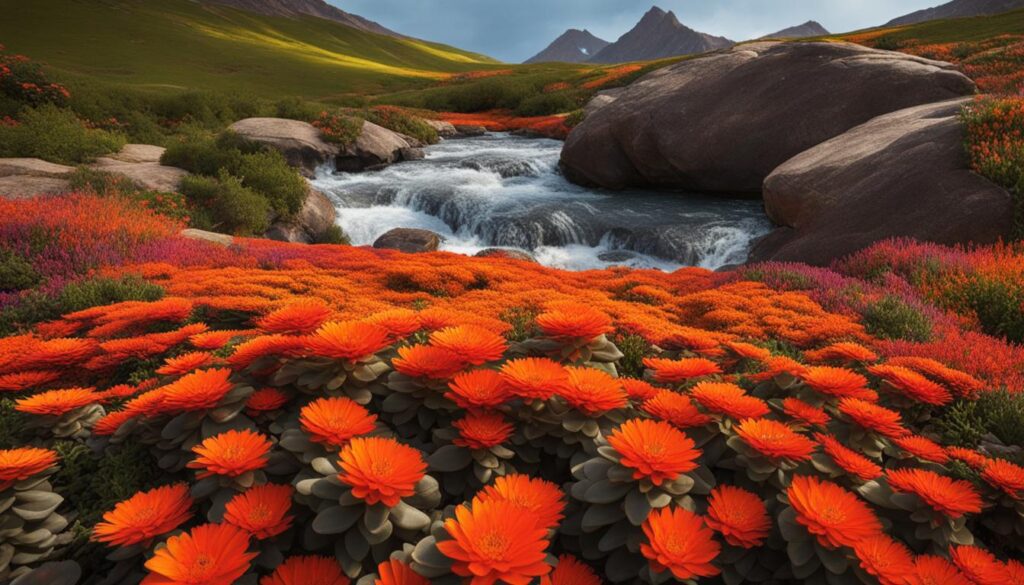
Granita Orange ice plant can provide low-growing color in suitable sunny, sharply drained conditions. Check local winter performance; wet winter soil can be a problem.
Creating Lush Carpets with LAMI Dark Purple
Lamium is primarily a shade or part-shade groundcover with moisture needs different from xeric succulents. Monitor its spread and do not treat it as a universal full-sun, low-water choice.
Keep these groundcovers in sites that match their separate needs.
Drought-Resistant Picks for a Hassle-Free Garden
For a lower-water border, choose species adapted to dry conditions and establish them carefully. Moisture-loving plants need a separate irrigation area.
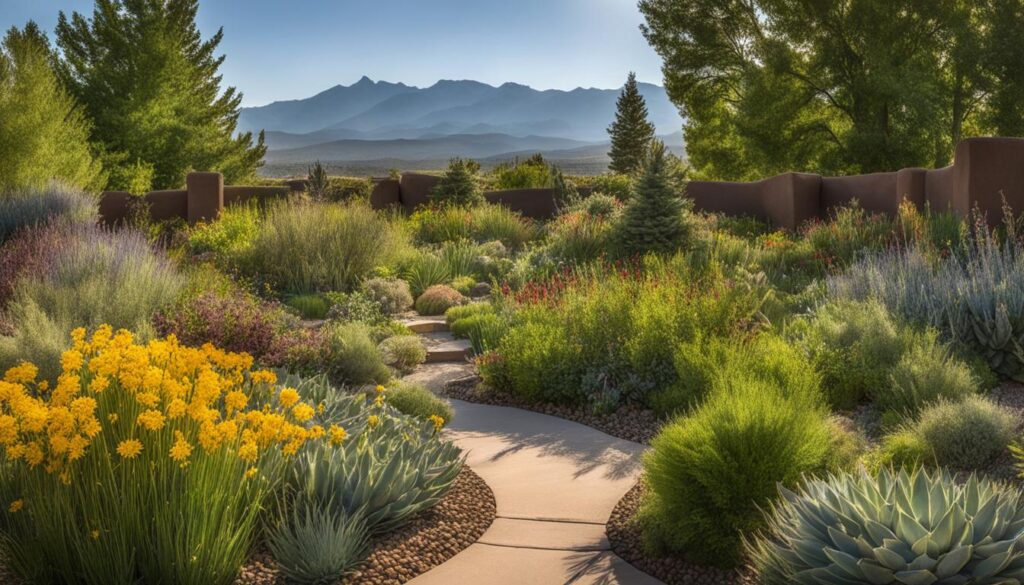
Dianthus can suit a well-drained sunny bed with appropriate watering. Joe-Pye weed, including compact cultivars, generally needs more consistent moisture and should not be grouped with dry-site xeric plants.
- Hassle-Free Elegance: Delicate to the eye yet sturdy in nature, Dianthus Kahori ‘Scarlet’ delivers lush ground coverage with minimal effort.
- Joe-Pye weed: use in an adequately moist planting area for late-season insect activity.
- Sustainable Practices: By adopting xeriscaping principles and choosing appropriate plants, you contribute to water conservation efforts without sacrificing aesthetic appeal.
Water conservation depends on matching plants to the site and grouping similar irrigation needs. It does not require every garden plant to tolerate drought.
Adding Height and Drama with Flowering Perennials
As you plan your Colorado garden, consider integrating flowering perennials that promise both vertical intrigue and stunning visual drama. These stalwarts of the garden not only draw the eye upward but also captivate with their blooms. Below, you’ll explore two such plants that are mainstays for adding structure and allure to any garden in the Centennial State.
Elegant Spikes of Blazing Star Liatris
Liatris offers upright flowers visited by insects. Choose the species for your soil moisture and winter conditions; deer resistance does not guarantee freedom from browsing.
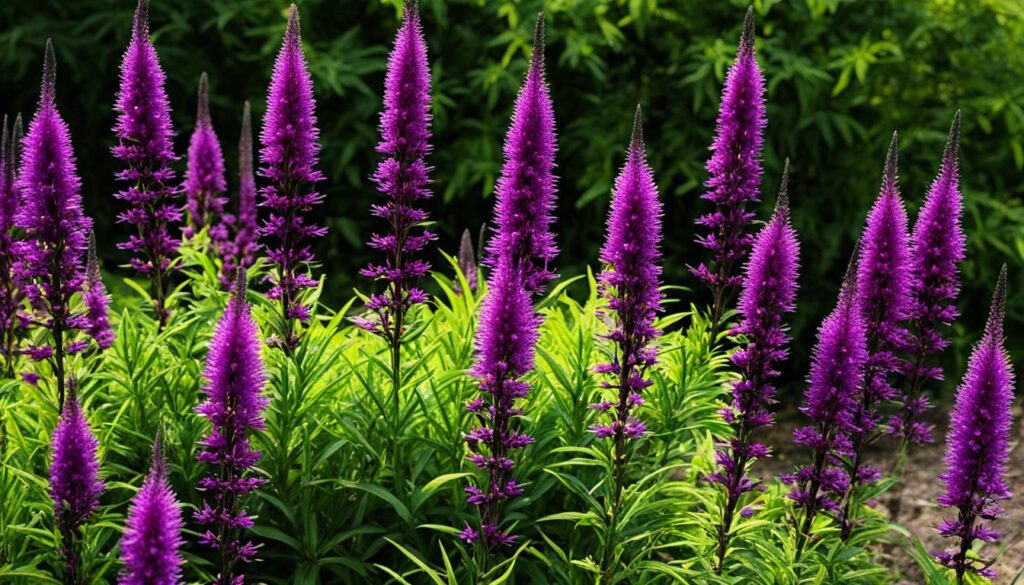
During the summer months, the upright stalks of Blazing Star Liatris erupt in a display of feathery, purple flowers adding a burst of color and a dynamic form to your garden. The architectural grace of these perennials contributes significantly to the garden drama Colorado landscapes are known for.
Russian Sage: A Fusion of Color and Fragrance
In late summer, when many gardens start to wane, Russian Sage comes into full glory. Its fragrant foliage and clouds of soft silver-lavender blossoms bring both color and perfume to your outdoor space. Esteemed for their hardiness and ease of care, they are a staple in the Colorado gardener’s palette, providing an energizing contrast against the warm yellows and reds typical of the late-season garden.
Plant Russian Sage in sunny areas for a spectacular show of color and indulge in the sensory pleasure it brings through its aroma and the soft rustle of its leaves in the breeze. Watch it become a sanctuary for pollinators, ensuring that your garden plays a part in supporting local wildlife. The ethereal presence of this Russian Sage thus elegantly crowns any garden with an air of mystique and vibrancy.
How to Select Blooms that Last from Spring to Fall
As you plan your Colorado garden, focusing on perennials that offer long-lasting blooms is essential. Certain varieties stand out for their ability to provide vibrant color and lasting beauty throughout the varying seasons of the Centennial State. Let’s delve into the selections that promise prolonged floral displays from the fresh days of spring to the crisp evenings of fall.
Prolonged Beauty with Penstemon and Coneflower
Rocky Mountain penstemon (Penstemon strictus) offers blue-purple flowers in suitable sunny, well-drained sites. Purple coneflower (Echinacea purpurea) is another ornamental option, with different moisture needs; this is not a medicinal-use recommendation.
- Penstemon strictus: A standout for its tolerance to drought and its magnetic allure for hummingbirds and pollinators.
- Echinacea purpurea: Offers a feast of nectar for bees and butterflies while providing a strong architectural element to garden designs.
Millenium ornamental onion
Allium ‘Millenium’ has rounded pink-purple summer flower heads. Give it a suitable site and check the named cultivar when purchasing.
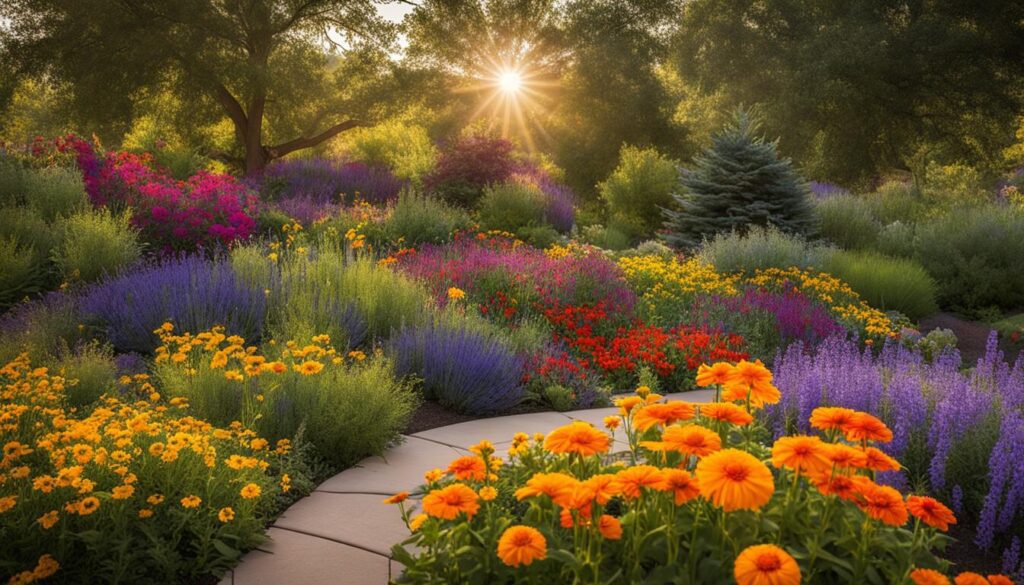
Combine plants with different flowering periods. Weather and elevation affect the display, and none guarantees continuous spring-to-fall flowers.
Shrubs and Larger Plants for Bold Colorado Gardens
When you’re looking to create a statement in your Colorado garden, the introduction of bold and robust plant varieties elevates your landscape’s visual appeal. Integrating larger perennials can provide the striking contrast and focal points necessary for a truly captivating garden design.
‘Cherry Choco Latte’ Hibiscus: Big Blooms for a Big Impact
One standout amongst the bold garden plants Colorado is known for is the ‘Cherry Choco Latte’ Hibiscus. Its generous blooms that flaunt shades of deep pink with strokes of white are a visual feast. The large blossoms are perfectly offset by the foliage which starts with a chocolate-brown hue, creating a dramatic backdrop that encapsulates the power of nature’s palette.
Hardy hibiscus needs adequate warmth and moisture to perform well. A winter-hardiness rating does not ensure flowering in a short mountain growing season.
Opt for Ornamental Grasses: ‘Bandwidth’ Maiden Grass
In addition to the fulgent hibiscus, ornamental grasses provide a textural counterpoint in your garden. The ‘Bandwidth’ Maiden Grass is an exceptional choice, characterized by its vibrant yellow and green striped foliage, that adds a striking visual detail to your outdoor space.
More than just its appealing looks, the ‘Bandwidth’ Maiden Grass impresses with its growth habit. It remains relatively compact, reaching about 3 feet in height, which proves advantageous for smaller gardens or spaces where a less overwhelming presence is desired. This maiden grass is sterile, preventing unwanted spreading by reseeding, and is acclaimed for its adaptability, flourishing from full sun to part shade. In terms of maintenance, this grass solidifies its place in the category of bold garden plants Colorado gardeners can confidently select for a hassle-free addition of elegance and style.
Check local growing-season length and winter performance before choosing large perennials or ornamental grasses.
Floral Combinations that Work Well in Colorado’s Climate
When designing your Colorado garden, selecting floral combinations that harmonize with the local climate is key. Certain pairings not only withstand the rugged conditions but amplify each other’s beauty, making for easy-to-maintain yet magnificent displays of nature. Below, we’ve highlighted some exceptional floral combinations Colorado gardeners can regard as both aesthetically pleasing and pragmatically sound.
Pairings that Pop: Sedum with Hens and Chicks
For a textural showcase that echoes the wild beauty of Colorado, look no further than Sedum garden pairings with hens and chicks (Sempervivum tectorum). These two succulents form a duo that promises not only visual appeal with their contrasting shapes but also remarkable drought tolerance. As sedums blanket the ground with their robust foliage, hens and chicks punctuate the greenery with their rosette clusters. This low-maintenance partnership is a sculptural feast for the eyes that persists through extremes of weather with a remarkable resiliency.
- Provide excellent drainage; drought tolerance does not imply tolerance of waterlogged soil.
- Richly colored foliage that adds depth and contrast to garden beds
- A year-round interest with change in hues during colder months
Sedum and hens and chicks are innovative low-maintenance flower combinations that offer longevity and ease of care. They are perfectly suited to both rock gardens and border fronts, embellishing them with their resilient charm.
Pair plants by both color and water needs
Shasta daisies can provide white flowers in a suitable border. Pair them with a locally recommended perennial whose light and moisture needs match, rather than introducing meadow buttercup as a default companion.
- Choose flower forms accessible to visiting insects.
- Allow enough spacing for mature plants and air circulation.
- Water according to actual soil conditions.
A successful pairing should fit the site throughout the year, not merely look attractive in flower.
Best Flowers To Plant In Colorado: Selections that Thrive at High Altitudes
At higher elevations, a short growing season, wind and snow cover can matter as much as winter hardiness. Treat named trial performers as candidates, then confirm local results.
Brunnera needs a suitable shaded, adequately moist site. It is not a general recommendation for exposed mountain beds.
The CrazyBlue Russian sage, a lavender-hued marvel, stands as another essential for elevating Colorado’s best flowers. Its fragrant sprays of violet-blue flowers have a lengthy blooming period, ensuring that your garden is a hub of color and life well into the cooler months. The sage’s ability to attract pollinators adds an extra layer of engagement to your garden’s ecosystem.
Check rose cultivar hardiness and season length locally before planting. Bloom dates from a warmer trial garden may not apply at higher elevations.
To lay the groundwork for a garden that’s a sight to behold, you should consider incorporating these recommendations for the most vibrant and resilient flora:
- Use brunnera only where shade and moisture suit it.
- Since CrazyBlue Russian sage enjoys the spotlight, place them where they can soak up the Colorado sun.
- Allow enough room for Sunbeam Veranda roses to stand out and captivate with their sunny blooms.
Choose locally proven plants and expect flowering dates to vary with elevation and weather.
Expert Advice: What to Consider for a Flourishing Colorado Garden
To manifest a flourishing garden, your journey begins with a fundamental understanding of the local growing conditions. Colorado gardening advice often emphasizes the importance of this knowledge as it arms you with the power to make informed decisions tailored to your garden’s success. Let’s plunge into the crucial factors that will guide you in fostering a vibrant Colorado garden.
Soil and Sun: Understanding Colorado’s Growing Conditions
For your garden to truly thrive, it’s essential to grasp the nature of suitable soil conditions Colorado offers. The soil here can range from clay-heavy to sandy, each with its distinct properties and nurture requirements. Fortifying your soil with compost can enhance its fertility, accommodating a broader range of plant life. Moreover, the high-altitude sunlight in Colorado means that sun-loving plants can flourish with proper care, yielding lush foliage and stunning blooms. Be attentive to the specific light needs of each plant, ensuring they receive the optimal amount of sunshine to stimulate their growth.
Dealing with Colorado’s Wildlife: Deer-Resistant Varieties
Indeed, the charm of nature extends beyond your green sanctuary as it may invite local wildlife such as deer. To keep your garden intact, consider planting deer-resistant flowers that dissuade these lovely yet potentially disruptive visitors. Plants like ‘Firefly Sunshine’ yarrow not only resist deer but also boast compact growth, requiring limited space, making them a desirable option for gardeners with spatial constraints. Similarly, the Rocky Mountain penstemon, with its prolonged bloom and clumping habit, serves as a living fortress in your garden, exuding beauty while demonstrating exceptional winter survival rates.
Embracing these resilient varieties fulfills your dream of a thriving garden amidst the challenges posed by the local wildlife and climatic conditions. Remember, the key to a successful garden lies in the harmony between your plants and their environment. By selecting the right flowers and caring for them in tune with Colorado’s unique landscape, you foster a sanctuary that’s not only a feast for the eyes but also a haven for local biodiversity.
Conclusion
As your gardening journey in the Centennial State unfolds, an embrace of Colorado’s native flora not only enhances the aesthetic appeal of your garden but also paves the way for a greener future. The diverse conditions of Colorado call for specific plant choices that guarantee beauty across seasons and cater to the local wildlife. By selecting hardy flowers Colorado is famous for, you infuse your garden with the state’s resilient spirit, creating a haven of color that brims with life.
Embracing Colorado’s Hardy and Captivating Flora
The allure of cultivating a garden stocked with plants native to Colorado lies not just in their robust nature but also in their ability to draw in a cornucopia of pollinators. By planting varieties like the Millenium ornamental onion and the vivacious Joe-Pye weed, you’re actively contributing to the local ecosystem while enjoying blossoms that laugh in the face of altitude and the arid climate. The joy that stems from such endeavors is matched by the practical benefit of having a landscape that requires less water and care.
Benefits and Joy of Gardening in The Centennial State
Gardening joy in Colorado extends beyond the visible tapestry of blooms and touches on the visceral pleasure of connecting with the earth. Centennial State plants offer a delightful challenge and promise a spectrum of color, texture, and fragrance. As you personalize your space with these hardy flowers, Colorado reveals its bountiful character, allowing your green thumb to thrive. This pursuit, blending artistry with nature’s own symphony, results in a pride of place, a testament to patience and care that will adorn your home year after year.
Are the Best Flowers for Planting in Idaho Similar to Those for Planting in Colorado?
When considering the top flowers for Idaho gardens, it’s important to take into account the climate and soil conditions. Similar to planting in Colorado, popular options for Idaho include daisies, sunflowers, and lupines. These hardy blooms thrive in both states’ mountainous and variable climates.
Source Links
- https://www.bhg.com/gardening/gardening-trends/tough-trial-perennials/
- https://www.bhg.com/gardening/gardening-by-region/mountain-west-and-high-plains/types-of-mountain-west-perennials/
- https://www.coloradoan.com/story/life/2022/04/30/8-best-perennials-your-colorado-garden-per-csu-researchers/9584993002/