Use these 86 garden-flower entries as ideas to investigate for your own site. The list includes broad plant groups, named selections and a few foliage plants; it is not a list of 86 distinct species or a recommendation to plant them all. Some entries overlap, such as a named calibrachoa and the wider million-bells group.
Choose by botanical name, local hardiness, light, soil moisture and mature size. The two sections describe common garden use, not a guarantee of perennial survival or a strict botanical classification. Many bedding plants are tender perennials grown as annuals where winter kills them.
Check local invasive-plant guidance and household safety before planting. Do not eat a plant from this list merely because its common name resembles an edible flower. FDA warns that true lilies and daylilies are highly dangerous to cats; avoid them where cats may be exposed and obtain urgent veterinary help after a suspected exposure. This list is not a complete toxicity reference.
Perennials, shrubs and ornamental grasses
1. Peruvian lily
Peruvian lilies are Alstroemeria, not true lilies of the genus Lilium. Their patterned flowers come in several colors and are popular for cutting. Check the named selection for winter hardiness and give it suitable drainage; the common name does not establish the same care or toxicity as a true lily.

2. Coreopsis
Coreopsis includes several species and cultivars. ‘Mango Punch’ is a named selection, not another name for all coreopsis. Compare the exact plant’s color, mature size and hardiness rather than expecting every tickseed to have mango-orange flowers.

3. Geum chiloense
Geum selections offer flowers in shades including yellow, orange and red. ‘Red Dragon’ is a cultivar name, not a synonym for every Geum chiloense. Buy a correctly labeled plant and check its moisture and seasonal care needs rather than promising continuous bloom.

4. Gaillardia x grandiflora
This blanket flower has petals of yellow, orange, and shades of red radiating from a large base. It does best with full sun and is very low maintenance.

5. Black-eyed Susan
Part of the sunflower family, this flower goes by a number of names, including brown betty, gloriosa daisy, English bull’s eye, and golden Jerusalem. It’s a large flower with long yellow petals and a black or brown center.

6. Jerusalem sage
This shrub has wrinkled green leaves and tubular flowers in a light yellow. The leaves have a sage-like aroma.

7. Euphorbia characias wulfenii
This euphorbia has conspicuous yellow-green flower structures. Its milky sap can irritate skin and eyes; avoid contact and use suitable protection when handling. Keep it away from children and pets. An attractive form does not make the plant safe to eat or handle carelessly.

8. Penstemon
Penstemons have tubular flowers in a range of colors, including red, pink, purple, blue and white. Species vary greatly in climate and soil needs. Confirm the botanical name and mature size instead of treating the whole genus as one purple-flowered plant.

9. Heuchera
Heucheras are often selected for colorful foliage, with smaller flowers carried on stems above the leaves. Leaf color and flower color are different features. Choose a cultivar suited to the light and moisture available rather than expecting every coral bell to make large masses of flowers.

10. Gaura lindheimeri
Often called Lindheimer’s beeblossom, these are a favorite bloom for the honeybee. These flowers have four pink or white petals and long stamens.

11. ‘Moonshine’ yarrow
These fragrant, bright yellow clumps of flowers add a nice burst of color. It’s tolerant to many adverse conditions.

12. Pineapple sage
Pineapple sage, Salvia elegans, is named for its pineapple-scented foliage. Its tubular flowers are red. It is a tender perennial, so outdoor return depends on winter conditions. See the NC State pineapple-sage profile for its growing requirements.

13. Sedum telephium
This plant has many nicknames, including frog’s-stomach, harping Johnny, life-everlasting, and witch’s moneybags. It features dense heads of reddish or yellowish-white flowers.

14. Scarlet Tanager African Daisy
An African daisy sold under a cultivar name needs its botanical identity confirmed. Do not assume all African daisies share the same hardiness or flower twice on a fixed schedule. Check the supplier’s exact label before using this entry in a permanent planting plan.

15. Salvia leucantha
Salvia leucantha is Mexican bush sage. Its tall flowering stems can provide late-season interest in suitable conditions. Check winter hardiness locally; a plant that returns in a warm region may be grown seasonally elsewhere.

16. Veronica
Veronica, commonly called speedwell, includes low spreading forms and upright flowering plants. Flower colors include blue, purple, pink and white. Check the species and cultivar before choosing it as ground cover; the whole genus does not share one height or growth habit.

17. Sea holly
Sea hollies, Eryngium species and selections, can add spiky flower heads and blue or silvery tones. Choose for the exact species and drainage conditions rather than assuming every sea holly is equally hardy or maintenance-free. Allow room for the mature stems beside paths.

18. Redbirds in a Tree
The evocative name is a good descriptor, as these flowers really do look like red birds perched on branches.

19. Russian Sage
Tall lavender or blue flowers on silver wands make this flower unique. These types of flowers make great borders.

20. Miniature Mat Daisy
A plant sold as miniature mat daisy needs a botanical name before its hardiness or spread can be judged. Confirm the label and the conditions it requires. A photograph of a low daisy-like carpet is not enough to choose a ground cover for your region.

21. Asters
Asters add some beautiful vibrancy to a garden, with flowers in shades like pink, purple, blue, and white. This is one of the types of plants that thrives with full sun.

22. False goat’s beard
False goat’s beard, commonly Astilbe, has feathery flower plumes above divided leaves. It can provide color in suitable partly shaded sites, but moisture is an important part of placement. Shade tolerance does not automatically mean tolerance of dry soil beneath trees.

23. Purple Coneflower
This proven performer features a large center cone from which pretty pink-purple petals unfurl.

24. Yarrow
Often seen growing in the wild, these types of flowers also look great in a garden. The most common color is white but they grow in a rainbow of shades.

25. Peonies
Always a crowd pleaser, peonies don’t bloom for long, but they are glorious while they last. The huge flowers come in a variety of colors.

26. Switchgrass
When you think of types of flowers, you usually think of colorful blooms, but there is a need for more neutral plants in a garden as well. This upright grass is attractive in a garden.

27. Threadleaf Coreopsis
Also called Threadleaf tickseed, this flower features golden yellow blooms. These types of flowers like sun and can tolerate drought.

28. Siberian Iris
Siberian irises include purple, blue, white and other selections. Their flower form adds vertical interest, but color alone does not identify the cultivar. Check moisture needs and allow space for the clump rather than applying advice for every iris to this group.

29. Red Devil Perennial Verbena
For a verbena sold as ‘Red Devil’, confirm the botanical identity and local hardiness with the supplier. Red flowers or a perennial label do not guarantee it will return after your winter. Check spread and drainage before using it as a ground cover.

30. Daffodils
These types of flowers inspire happiness. They feature a trumpet and a ring of petals.

31. Tall Garden Phlox
Tall garden phlox produces upright stems with clusters of flowers in several colors. Match the cultivar to the site, allow its mature width and provide appropriate moisture. It has a different role from the low mat of moss phlox in the next entry.

32. Moss Phlox
Like tall garden phlox, moss phlox is hardy and has beautiful flowers. The difference is that moss phlox is one of the best types of flower for ground cover.

33. Pincushion Flower
The name is apt as these flowers really look like pincushions. Available in blue, pink, and white, they do best in full sun.

34. Sedum
Sedum and related stonecrops include both low mats and taller clumps. Their flowers and foliage can provide seasonal interest, but growth habits differ. Identify the exact plant before using it as ground cover or combining it with plants that need frequent watering.

35. Red Hot Poker
There are few types of flowers with names as evocative as this one. The tubular spikes of flowers really do resemble a hot poker.

36. Daylily
Daylilies, Hemerocallis, come in many colors and forms. A succession of flowers can extend the display even though each individual flower is short-lived. They are not true lilies, but they are also highly dangerous to cats; do not treat the different genus as a safety exemption.

37. Hardy Hibiscus
These large and vibrant blooms do best in full sun.

38. Asiatic Lily
Asiatic lilies are true lilies in the genus Lilium and offer a range of flower colors. Choose suitable drainage and local hardiness for the cultivar. Keep them out of areas accessible to cats because exposure can cause a serious veterinary emergency.

39. Chrysanthemum
Also called mums, these flowers have multiple layers of radiating petals.They come in several colors.

40. Hosta
Known mostly for their green and white foliage, these plants also produce tall and delicate white-purple flowers.

41. Tiger lily
Tiger lily, commonly Lilium lancifolium, is known for its orange, spotted flowers. Confirm the botanical identity when buying, since common names can vary. As a true lily, it presents a serious risk to cats and is unsuitable where they may contact it.

42. Bellflowers
Shaped like delicate bells, these flowers come in shades of blue, purple, pink, and white.

43. Irises
This famous flower is recognizable by its drooping petals. There are several different varieties.

Annuals and plants often used as seasonal bedding
44. Geranium
Bedding geraniums are generally Pelargonium, frost-tender plants often grown as annuals in cold climates. Hardy cranesbills belong to Geranium and have different winter requirements. Use the botanical name to decide whether a plant can remain outdoors or needs protection.

45. Marigold
Common bedding marigolds usually belong to Tagetes and provide yellow, orange or mixed-color flowers. The word marigold is also used for other plants. Do not assume every marigold or nursery-grown flower is edible; botanical identification and food-suitable growing practices are separate requirements.

46. Sweet Alyssum
The best types of flowers provide a function in addition to being beautiful. Sweet alyssum makes great groundcover, looks lovely, and smells divine.

47. Zinnia
Available in many colors, these flowers feature large blooms with layers of petals.

48. Petunia
These trumpet-shaped flowers come in a variety of colors.

49. Fuchsia
Fuchsias include trailing and upright forms, with flowers often combining pink, red, purple or white. Choose a trailing cultivar for a hanging basket rather than assuming all fuchsias trail. Winter survival and light requirements vary by species and selection.

50. Impatiens
Many traditional impatiens suit shade or partial shade, while other groups have different light and disease considerations. Check the cultivar and local growing guidance. A single general shade rule does not cover all plants sold as impatiens.

51. Lobelia
Bedding lobelia, commonly Lobelia erinus, can provide compact or trailing blue, white or purple flowers. Other lobelias have very different size and moisture requirements. Read the species label before choosing it for a container or garden border.

52. Diamond Frost Euphorbia
Diamond Frost euphorbia is grown for an airy white display. It is a tender plant often used as seasonal bedding, not a guarantee of year-round outdoor bloom. Euphorbia sap requires care when handling; check the exact plant’s growing and safety guidance.

53. Cosmos
Cosmos are not limited to yellow. Common garden cosmos, Cosmos bipinnatus, includes pink, white and other colors; C. sulphureus commonly provides yellow and orange. Most bedding cosmos are annuals, while chocolate cosmos is a different perennial species with separate winter needs.

54. Summer Snapdragon
Summer snapdragon usually means Angelonia, not the familiar Antirrhinum snapdragon. It has upright flowering stems and is commonly used for warm-season display. Confirm the botanical name before applying sowing or overwintering advice.

55. Sunflower
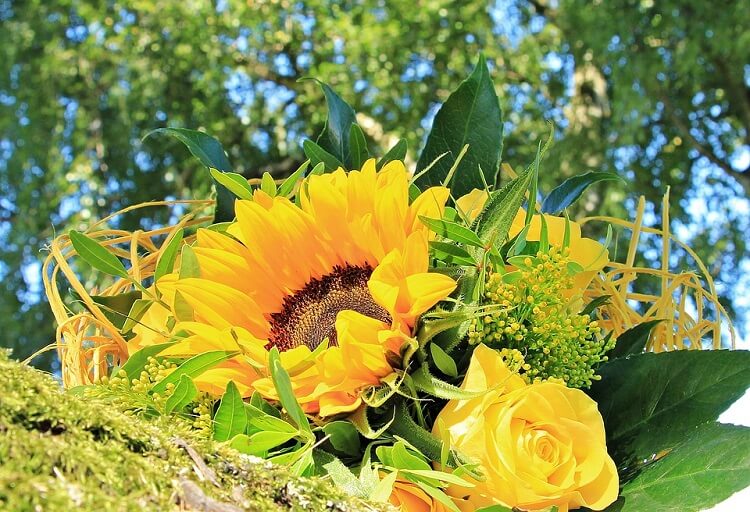
Sunflowers have a flower head containing many small flowers, with conspicuous ray florets around the center in familiar garden forms. Those yellow structures are not leaves. Compare cultivar height and branching habit before choosing one beside a path or in a small bed.

56. Superbells Lemon Slice calibrachoa
This is one of the more unusual types of flowers. The pinwheel pattern of alternating yellow and white is quite striking.

57. Vinca
Annual vinca is generally Catharanthus roseus, a bedding plant distinct from the spreading Vinca ground covers. Similar common names do not mean identical habit, invasiveness or care. Confirm which plant is being sold and check its suitability before planting.

58. Begonia
Begonias include wax, tuberous and many other groups, with considerable differences in foliage, flowers and light tolerance. Do not apply an all-shade rule to every begonia. Choose the named selection for the exposure and watering conditions in your container or bed.

59. Scarlet Sage
Native to Brazil, this flower has tubular blooms in a rich scarlet shade and is known for attracting butterflies and hummingbirds.

60. Morning Glory
Morning glory covers several species and selections with different growth and local invasive potential. Many familiar flowers open early in the day, but weather and species affect the display. Check the botanical name before planting a fast-growing vine.

61. Cardinal Vine
Cardinal climber and cypress vine are related but distinct names used for climbing ornamentals. Confirm the plant label rather than assuming flower color identifies it. Provide a suitable support and check local invasive-plant guidance before allowing a vine to seed freely.

62. Cypress Vine
Cypress vine, Ipomoea quamoclit, has finely divided foliage and small star-like flowers. Its rapid growth needs a suitable location and support. Do not assume it remains a harmless small annual everywhere; check regional restrictions and potential self-seeding.

63. Moonflower
Moonflower is a common name that can refer to different plants. The climbing Ipomoea alba is known for large pale flowers that open toward evening. Confirm botanical identity and toxicity before buying; do not confuse it with other plants sold under the same common name.

64. Spanish Flag
As the name suggests, these types of flowers feature the colors red and yellow.

65. Hyacinth Bean
Hyacinth bean, Lablab purpureus, is often grown ornamentally for flowers and colored pods. Provide support for its climbing growth. Do not eat raw ornamental beans or pods on the basis of their appearance or common name; food use requires appropriate identification and preparation.

66. Nasturtium
Nasturtiums, commonly Tropaeolum majus selections, include bushy and trailing forms with warm-colored flowers. Select the habit needed for a bed, container or support. Any culinary use requires correct identification and plants grown with food-appropriate practices.

67. Scarlet Runner Bean
The red-orange blooms on this quickly growing vine offer beauty and attract hummingbirds.

68. Sweet Pea
Sweet peas, Lathyrus odoratus, are ornamental flowers rather than edible garden peas. Many cultivars are fragrant, but scent and growth habit vary. Keep seeds and other plant parts out of food use and choose a suitable support for climbing forms.

69. Black-Eyed Susan Vine
Like the perennial black-eyed Susan, the black-eyed susan vine features yellow flowers around a dark center.

70. Cup and Saucer Vine
Cup-and-saucer vine, Cobaea scandens, is a vigorous climber with bell-shaped flowers and a surrounding calyx. Flower color changes as blooms mature in common forms. Check the mature size and climate suitability before planting beside a small support.

71. Lantana
Lantana can supply clusters of colorful flowers, but winter behavior and invasive potential vary by location and selection. Check regional guidance rather than treating it as a universally suitable annual. It is not a food plant; consider household and pet exposure.

72. Million Bells
Million bells is the common name for Calibrachoa, the same broader group represented by the named Lemon Slice selection earlier in this list. Compare cultivar color and trailing habit, with attention to drainage and container care. These are overlapping entries, not unrelated species.

73. Moss rose
Not truly a rose, moss rose offers a blanket of green and a wealth of colorful blooms. The flowers come shades like orange, pink, purple, and yellow.

74. Pentas
These are often called Egyptian stars, due to their five-pointed shape. Typically found in red, pink, and white, and they are quite easy to grow.

75. Profusion zinnia
This series of zinnia is known for producing an abundance of blooms. These are available in a variety of colors and will bloom throughout the season.

76. Scarlet sage
Scarlet sage overlaps with entry 59, and the common name is used for more than one Salvia. Salvia splendens and Salvia coccinea are distinct plants; confirm the label before comparing height and care. The NC State salvia overview is a useful starting point.

77. Spider flower
Spider flowers, often called cleome, have flower clusters with conspicuously projecting stamens that contribute to the spider-like effect. Those fine structures are not simply long leaves. Check mature height and spread before positioning the plant at the front of a border.

78. Flower-of-an-hour
Flower-of-an-hour, Hibiscus trionum, is named for its short-lived individual flowers, not because the entire plant flowers only once. It can be an unwanted weed in some settings; Ontario includes it in its crop-weed identification guide. Check local suitability before sowing.

79. South African foxglove
This exotic plant features clusters of graceful, drooping blooms. The elegant bloom is white with a hint of lavender.

80. Tassel flower
These types of flowers feature bright orange pompoms of blooms. This unique flower adds a whimsical touch to a garden.

81. Honeywort
Honeywort, commonly Cerinthe major in gardens, is often grown for its unusual foliage and hanging flowers or colored bracts. Confirm the exact selection and its hardiness. Do not choose it solely on an unsupported promise of a strong pleasant fragrance.

82. Flowering tobacco
Another one of the types of flowers that are known for attracting hummingbirds, flowering tobacco features star-shaped blooms in a variety of colors.

83. Creeping zinnia
Creeping zinnia, Sanvitalia procumbens, is a low spreading annual with small daisy-like flowers, commonly yellow around a dark center. It is distinct from the taller garden zinnias elsewhere in this list. See the NC State species profile for its habit.

84. Annual clary sage
Annual clary, commonly Salvia viridis, is valued especially for colorful bracts near the upper stems. These modified leaves should not all be described as large flowers. Check the cultivar and use its mature height when planning a seasonal display.

85. Castor beans
Castor bean, Ricinus communis, is included here for identification, not as a recommendation for a family play area. Its seeds are highly toxic. NC State advises against planting it where children or pets play. Handling carefully does not remove the risk of seeds being swallowed; choose a different plant where exposure is possible.

86. Sunset hibiscus
This plant is known for its large yellow flowers. The five petals unfurl from a dark red eye.

We hope this list helps you plan your flower garden. These 86 entries are a starting point for a site-specific shortlist, with overlapping groups and cultivars identified above. Do you have a favorite flower on this list?