

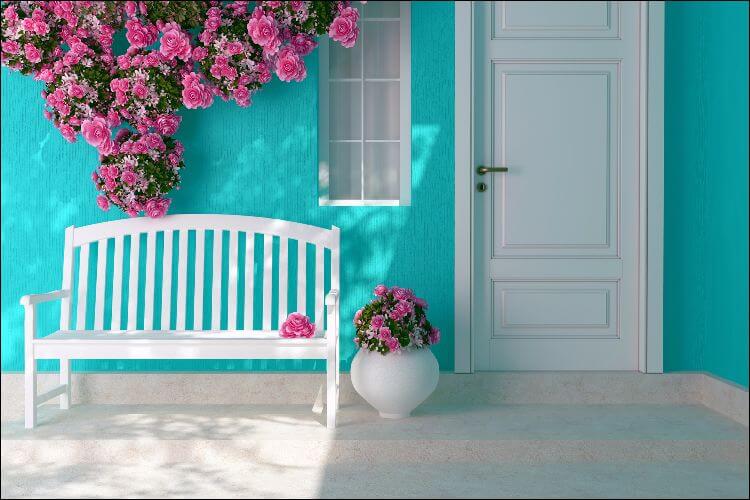
A welcoming porch landscape leaves room to walk, open the door and sit comfortably. Start with the sunlight, available planting space and time you want to spend on upkeep. These twenty ideas can be combined, but a small porch usually benefits from a few well-chosen features rather than all of them.
1. Edge a sunny bed with lavender
Lavender can bring texture and fragrance where the variety suits the climate and soil drains well. It is not indestructible. Check its mature spread so foliage stays off the path, and choose another plant for a persistently wet or heavily shaded bed.
2. Frame one side with a climber
A suitable climber can soften a porch edge. Star jasmine is one option in climates where it is hardy. Provide a support appropriate to the mature plant and keep growth away from gutters, vents and the door. Check pruning needs before buying.
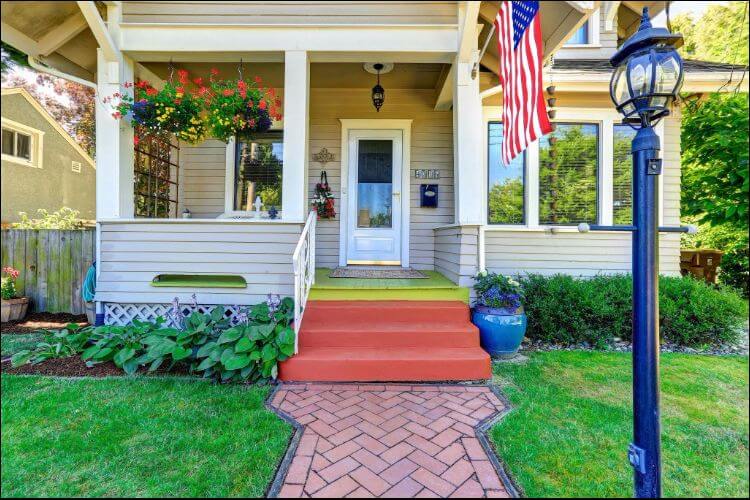
3. Layer a mixed border
Place taller plants toward the back and smaller ones beside the route, while keeping windows and sightlines clear. Combine plants with compatible water and light needs. A lush effect does not require overcrowding or a promise that every suggested plant will be inexpensive.
4. Add a garden arch
An arch can mark the approach if the path is wide enough. Choose a stable structure and account for the weight and spread of its planting. Check underground services before installing posts, and leave comfortable clearance when the plants are mature.
5. Include a small edible display
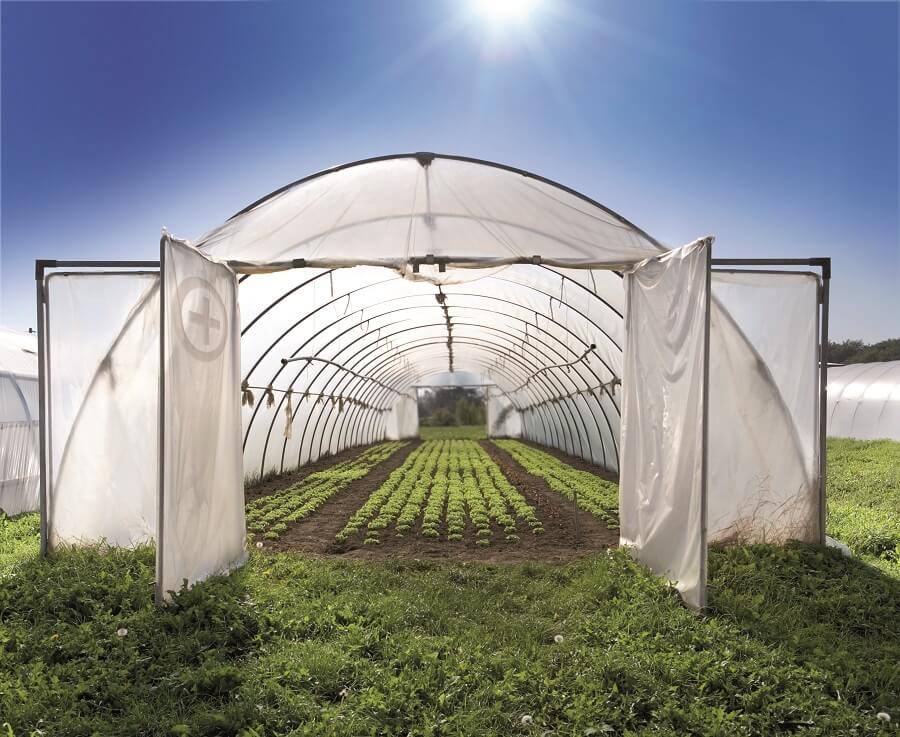
Use herbs or other suitable edible plants in accessible containers or beds. Check sunlight and watering requirements, identify plants correctly and use only products labeled for the edible crop. Keep containers out of the door swing and main walking route.
6. Try a seasonal vine
A locally suitable annual climber can provide temporary color on its own support. Read the botanical name and local invasive-plant guidance rather than treating all morning glories or plants called moonflower as interchangeable. Plan for removal and cleanup at the end of the season.

7. Feature a rose where there is room
Choose a rose for its mature size and regional performance. Fragrance varies, so check the particular cultivar if scent matters. Set thorny growth back from steps, chairs and handrails, and leave access for pruning.
8. Hang a few baskets
Hanging baskets save floor space but can be heavy when watered. Use suitable mounting points and hardware for the loaded weight. Hang them where people will not brush against them, and direct drainage away from seating and the entrance.

9. Improve the planting beside steps
Low planting can highlight an existing staircase without hiding its edges. Keep treads and handrails clear. Repair unsafe steps properly; loose planks are not a landscaping solution. Any rebuilt stairs should meet applicable local requirements for safe access.
10. Give the approach a gentle curve
A curved path can suit a larger front garden, but it should remain an obvious, stable route to the door. Avoid narrow bends that make carrying groceries or using mobility aids awkward. Consider drainage before choosing the surface.
11. Use wisteria only with a long-term plan
Wisteria can become a large, heavy climber. Follow RHS growing guidance on support and pruning, and check regional suitability. Do not casually train it into a tree, gutter or porch structure that was not designed for that load.
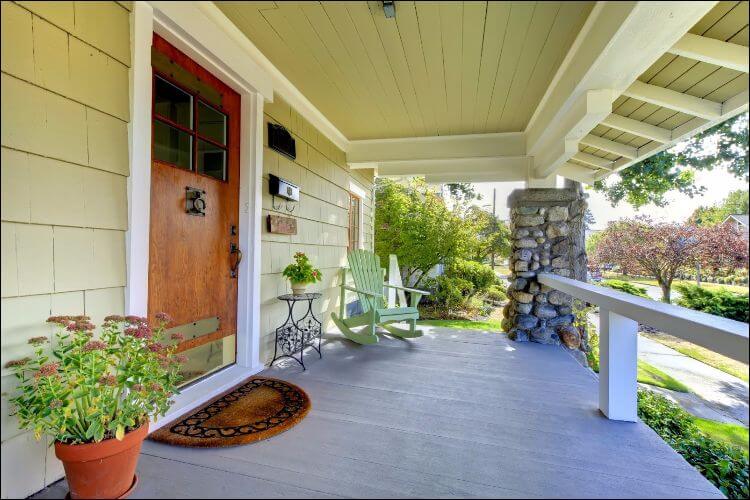
12. Keep a useful patch of lawn
A simple lawn area can frame the porch where turf suits the site and your water budget. It need not occupy the entire front garden. Give it a shape that is easy to mow and avoid assuming it will stay green through every season.
13. Use hostas for foliage in suitable shade
Hostas offer leaf color, shape and texture as well as seasonal flowers. Choose varieties for the available light and space, and consider local slug and deer pressure. Their foliage is seasonal, so plan what the bed will look like after it dies back.
14. Build a foliage-focused container group
Combine a small number of plants with contrasting leaves and similar care needs. Check whether they are evergreen, deciduous or tender in your climate. Leave enough space between pots for watering and cleaning rather than promising year-round foliage without checking the plants.

15. Consider a suitable honeysuckle
Identify the species first. Coral honeysuckle, Lonicera sempervirens, differs from other plants sold under the honeysuckle name. Check its mature size and regional fit; do not assume every species has the same fragrance, flowering season or behavior.
16. Repeat the house’s materials
Echo a brick color or metal detail in edging or containers for a coordinated appearance. Use outdoor-rated materials installed appropriately. Decorative wallpaper is not a substitute for durable exterior masonry or a weatherproof finish.
17. Add a modest boundary
A low fence or hedge can define the porch garden where permitted. Check property lines, utility access and local restrictions before installation. Maintain visibility near driveways and keep the entrance easy to find.

18. Change a small seasonal display
Pumpkins, branches or seasonal pots can refresh a corner without rebuilding the landscape. Keep the display away from steps and remove decaying materials promptly. Choose something that fits the season and can be stored or composted when finished.
19. Repeat flowers along the porch edge
Repeating a few compatible plants can connect separate beds. Varying height is fine when it preserves access and sightlines. Leave room for mature growth and maintenance instead of packing every gap with another plant.
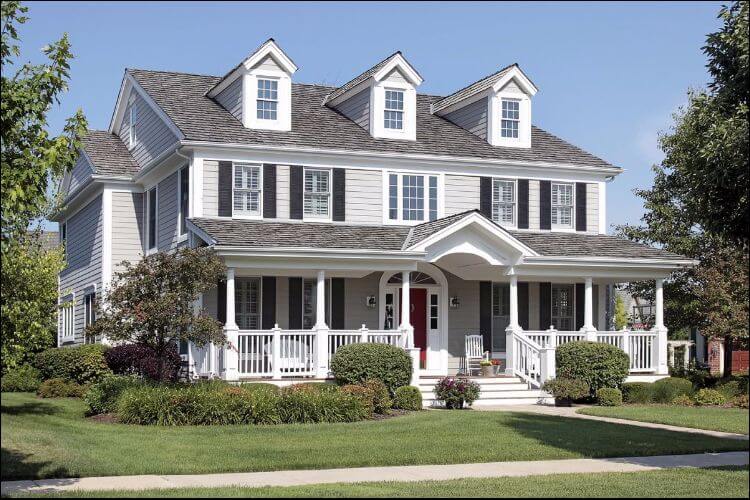
20. Plant spring bulbs in groups
Tulips are normally planted as bulbs for a planned spring display, not scattered as seeds for an immediate result. Follow RHS tulip guidance and local planting advice. Plan for the foliage that remains after flowering and for whether the cultivar reliably returns in your conditions.
Choose a manageable starting point
Begin with the approach and one planting area. Observe how sun and rain reach it, then add containers or another bed if the arrangement works. Keep maintenance access and safe movement through the porch at the center of the design.
Images source: depositphotos.com