You can grow wisteria from seed, but seedlings may take many years to flower and will not reliably reproduce a named cultivar. Treat seed growing as a long-term propagation project. If predictable flowers are the priority, choose a suitable named plant propagated by cuttings, layering or grafting.
Identify the species and check local invasive-plant guidance before sowing. Chinese and Japanese wisteria are invasive in parts of the United States. Where appropriate, investigate locally native alternatives. Seeds and pods are poisonous if eaten: label them clearly and keep them away from children and pets.
Before Planting
1. Choosing a Wisteria
Buy identified seed or collect only from a plant you can identify and are permitted to propagate. Seeds themselves are not grafted. A grafted nursery plant is a different starting point from a seedling, and even purchased plants have no universal one- or two-year flowering guarantee.
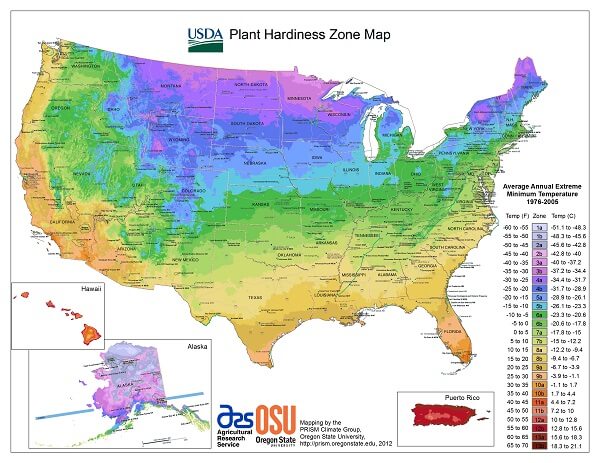
Consider climate, mature size, species and local invasive status before flower color. Do not allow a vigorous vine to escape into nearby trees or unmanaged land.
2. Choosing the Location
Location is an essential factor to consider when learning how to grow wisteria from seed. Usually, this plant is long-lived. Moreover, it forms some woody stems that, in time, will need support. This means it’s difficult to move it once you planted it. At the same time, another important requirement for it is pruning, so you need to access it easily and quickly. But more about pruning later.
The ideal place for a wisteria is a sunny site, or at least a semi-shaded one. The soil needs to be moist and well-drained. The wisteria flower buds are sensitive to the spring frosts, so go for a sheltered place, if possible. Make sure the place you choose won’t overwhelm any nearby plants. When deciding on how to grow wisteria from seed, keep in mind that it’s a fast grower, so it can overtake any neighbors.
3. Getting the Seeds
Collect mature pods after leaf fall where collection and propagation are appropriate. Let them ripen in a labeled tray in a secure place, then remove the seeds. Do not store them with edible beans. Use fresh seed when possible; for stored seed, follow the supplier’s handling instructions.

How to Grow Wisteria from Seed
4. Germinating the Seeds
For dry seed, the RHS recommends soaking for 24 hours before sowing. This prepares the seed; it does not mean a root must appear in the bowl first. Avoid picking or tearing at the seed with a fingernail, which can damage it.
Use clean pots with drainage and a suitable seed compost. Label the species and sowing date so delayed germination can be assessed accurately.
5. Planting the Seeds
The RHS recommends sowing fresh wisteria seed about 2 cm (¾ inch) deep in seed compost. Water gently and maintain moist, freely draining conditions without leaving the pot standing in water. Follow the seed supplier’s temperature guidance for the species and seed lot.
6. Let Them Sprout
Germination timing varies; do not discard a sound pot solely because a fixed ten- or thirty-day deadline has passed. Once shoots emerge, provide suitable bright light and enough space. Pot on when roots and growth require it, handling seedlings gently.
Harden plants gradually before moving them outdoors and protect young growth from damaging weather. Height alone does not establish readiness for a permanent site.

Planting Wisteria
7. Digging Holes in the Soil
The holes you dig should be as deep as the receptacle you are planting. However, they should be 2 – 3 times wider than it. If planting more than one vine, use spacing appropriate to the species, intended framework and mature spread rather than a universal distance.
8. Taking a Wisteria Out of a Planting Cell
You can do this by pushing up the plant from the bottom of the root. Once you see that the plant is free, take it out from the receptacle. Be careful not to damage it while doing this. Place the plant in the hole you dug. It’s important that the level of the soil around is the same with the level of the base of the stem. Fill the hole and remember to tap down on the dirt. This helps remove any air pockets. When watering, make sure you don’t drench the leaves or the stems.
9. Supporting the Wisteria
Install a support designed for the eventual weight and vigor of the vine before planting it in its permanent position. Attachment to a building needs appropriate assessment; a universal wire diameter or spacing does not specify a complete support system.
Keep stems away from gutters, roof trim and vulnerable fixtures. Avoid using a living tree as the support: the vine can damage it and make maintenance difficult. Retain access for training and pruning.
10. Fertilize
Assess soil before adding amendments. Plant at the appropriate depth, water to settle the root zone and use fertilizer only when needed at the labeled rate. Do not fill the planting hole with an arbitrary large quantity of manure.
Caring for Wisteria
11. Adding Compost
A suitable mulch can help conserve moisture and reduce weeds; keep it away from the stem. Do not add bone meal or rock phosphate as a routine flowering cure. Nutrients should address an identified need, and feeding cannot remove a seedling’s juvenile period.
12. Watering Adequately
Check moisture around the roots, especially during establishment and dry spells. Water when needed and account for rainfall, soil and temperature. A container dries differently from a planted border, so one weekly amount will not suit every plant.
13. Pruning
First train a young plant to its planned framework. Established wisteria commonly receives summer pruning of excess side shoots followed by late-winter shortening. Use species-appropriate instructions and distinguish the permanent framework from side growth rather than removing half of all growth indiscriminately.
The RHS growing guide explains its UK seasonal routine. Adapt timing to local growth and climate; pruning every two weeks is not a universal flowering requirement.
Pests and Diseases
14. Keeping Pests and Diseases at Bay
There are a couple of problems you may encounter with your wisteria. Even if this doesn’t happen often, it’s good to be informed if you want to know how to grow wisteria from seed and succeed. Here’s a brief list of pests and diseases you may experience:
- Crown gall;
- Dieback;
- Virus diseases;
- Leaf miners;
- Leaf spots;
- Japanese beetle;
- Aphids;
- Mealybugs;
- Scale insects.
15. Common Problems that Prevent Flowering
In case you notice your wisteria isn’t flowering, these are some of the most common problems:
- Pruning – Make sure you are using the right technique for pruning the wisteria. Identify the framework and follow species-appropriate guidance.
- Seed raised wisteria – As we mentioned before, growing wisteria from seed means that it can flower even after 20 years. As such, if you notice the plant hasn’t flowered yet, you should wait some more time.
- Watering – Often, this plant thrives even if it’s neglected. However, during the local period of flower-bud development pay extra attention to this aspect. During this period, the buds for the next year’s flowers are formed. If they don’t have enough water now, you may not have enough flowers next year.
- Frost – The spring frosts can make the buds drop before opening. If you want to prevent this, make sure you place the wisteria in a spot that’s sheltered.
Conclusion
Though it’s not hard to learn how to grow wisteria from seed, the plant can be quite picky in the beginning. You need to ensure the right humidity and light conditions if you want it to thrive. Pruning is a great way of controlling its growth and the number of flowers you’ll have.
Image source: 1
For species-specific risks, see NC State Extension’s Chinese wisteria profile. Seed propagation remains a distinct project from buying a mature flowering vine; neither pruning nor fertilizer guarantees an early bloom.