Winter flowers depend on climate as much as plant choice. Some shrubs bloom during mild spells, bulbs often appear near winter’s end, and cool-season bedding may flower only where winters are gentle. Choose the exact species and cultivar, then check its local flowering season and hardiness before buying.
The twenty options below separate dependable winter or late-winter candidates in suitable climates from tender or seasonal choices. They are not a promise of twenty plants flowering through deep snow. In colder regions, combine a few locally reliable bloomers with the foliage, bark and berries described in our winter-surviving plants guide.
1. Pansies and violas
Use winter-flowering cultivars for cool-season pots and beds where local winters permit. They may pause during severe cold and resume when conditions improve. Establish plants before harsh weather and provide drainage; a label saying “winter pansy” does not guarantee uninterrupted flowers.
2. Winter-flowering mahonia
Choose a winter-flowering selection such as Mahonia × media rather than assuming every mahonia flowers in the same season. Its yellow flowers can sit above substantial evergreen foliage. Check mature size and regional invasive-plant guidance before choosing the species or hybrid.
3. Daphne bholua ‘Jacqueline Postill’
This named cultivar is valued for fragrant late-winter flowers. It is not the name of the entire species. Check local hardiness and give it a suitable sheltered site with appropriate soil moisture. Daphne is ornamental and potentially harmful if eaten, so consider placement around children and pets.
4. Hellebores
Christmas rose, Helleborus niger, and Lenten-rose hybrids offer different flowering windows, from winter into early spring depending on climate. Choose by cultivar and local performance. Position plants where the flowers can be appreciated without walking over a wet bed, and do not treat the foliage as edible.
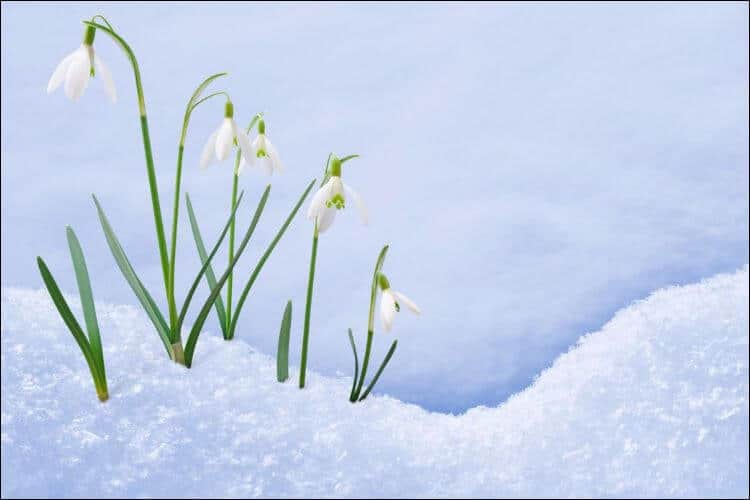
5. Snowdrops
Galanthus species and cultivars can mark the late-winter transition into spring. Their calendar shifts with weather and location, so a February display in one garden may arrive later elsewhere. Buy cultivated stock from a reputable supplier and allow foliage to finish growing after flowering.
6. Winter aconite
Eranthis hyemalis produces small yellow flowers close to the ground near winter’s end in suitable climates. Plant where the display will be visible and where the dormant planting will not be accidentally disturbed. It is a seasonal bulb-like plant, not a year-round carpet of flowers.
7. Winter jasmine
Jasminum nudiflorum can bear yellow flowers on bare stems during winter or early spring. Plan support if training it against a wall, or allow space for an arching habit. Do not expect the fragrance associated with some other jasmines.

8. Witch hazel
Winter-flowering Hamamelis selections, including ‘Jelena’, can provide flowers on bare branches. Check the cultivar’s mature size and local bloom period. Give the plant enough room to be appreciated as a shrub instead of repeatedly clipping away its flowering framework.
9. Sweet box
Sarcococca can supply small, fragrant winter flowers with evergreen foliage in a suitable climate. It works well where the scent can be noticed from a regularly used path. Match species and cultivar to the space and exposure; fragrance is the main attraction, not large showy petals.
10. Camellia
Camellia flowering ranges across autumn, winter and spring according to species and cultivar. Buy one selected for the season you need, with appropriate cold tolerance and soil requirements. Flower buds and open blooms may suffer during a freeze even if the shrub remains healthy.

11. Winter-flowering cherry
Prunus × subhirtella ‘Autumnalis’ and related selections can flower intermittently in mild spells from autumn into spring. This is a tree choice, so allow for mature crown and roots. A small garden may be better served by one of the compact options on this list.
12. Wintersweet
Chimonanthus praecox is grown for scented flowers on bare wood in winter where conditions suit it. Plan for a substantial shrub and allow time for establishment. Place it where the scent can be enjoyed, rather than expecting it to supply a dense, colorful bedding display.
13. Viburnum × bodnantense
Selections such as ‘Dawn’ can produce fragrant flowers through parts of the cold season. These are distinct from spring-flowering doublefile viburnums. Confirm the botanical name before buying and allow sufficient mature space for the chosen cultivar.
14. Calendula in mild-winter climates
Calendula is a cool-season bedding choice where the local planting calendar supports winter flowering. It is not a dependable bloom-through-freezing option. In colder regions, plan it for a suitable spring or autumn season and choose hardier plants for the winter display.
15. Algerian iris
Iris unguicularis can flower in winter in an appropriate sheltered, sunny position. Select it by species: the flowering time of bearded or bulbous irises is not interchangeable. This is an alternative to treating generally spring-flowering candytuft as a guaranteed winter bloomer.
16. Florist’s cineraria under protection
Pericallis hybrids sold as cineraria provide colorful flowers in cool, protected conditions. Treat them as tender display plants unless your local climate and the cultivar’s instructions allow outdoor use. A sheltered indoor or greenhouse display is different from a hardy winter border.
17. Hardy cyclamen
Cyclamen coum is a winter-to-early-spring flowering choice in suitable gardens. Do not confuse it with tender florist’s cyclamen, usually derived from Cyclamen persicum. Check the label, drainage and planting conditions; similar-looking flowers do not establish equivalent hardiness.
18. Winter heath
Erica carnea and selected Erica × darleyensis cultivars provide winter or early-spring flowers. Their requirements differ from some other heathers: E. carnea can tolerate some alkaline soil. Buy the named plant and check flowering season rather than choosing solely by the common name “heather.”
19. Iceland poppy for a suitable cool season
Iceland poppies are seasonal choices whose flowering calendar depends strongly on climate and planting time. They may suit a mild-winter program, while colder gardens mainly use them for later flowers. Consult the local nursery calendar instead of interpreting cold tolerance as guaranteed midwinter bloom.
20. Nemesia in frost-free or protected displays
Nemesia can provide cool-season color where the selected cultivar and climate suit it. It is not a substitute for a hardy shrub or bulb during prolonged freezing. Use it in a manageable seasonal container if you can provide the protection its label requires.
Choose a sequence rather than one universal list
Visit a local garden or nursery during the month you want flowers and note the exact plant names. Build a short list for early, middle and late winter, then check sun, soil, mature size and maintenance. Small bulbs suit close viewing; fragrant shrubs belong near routes used in cold weather.
Holly and cotoneaster can add berries, but berries are not winter flowers. Hesperantha coccinea is primarily a late-summer and autumn bloomer, so treat any unusually late flowers as a bonus rather than the basis of a winter plan.
References for matching species and season include the RHS winter-interest shrub guide, winter-interest plant list, hardy cyclamen guide and Erica growing guide. Their UK flowering examples need adjustment for your own climate.
Images source: depositphotos.com.