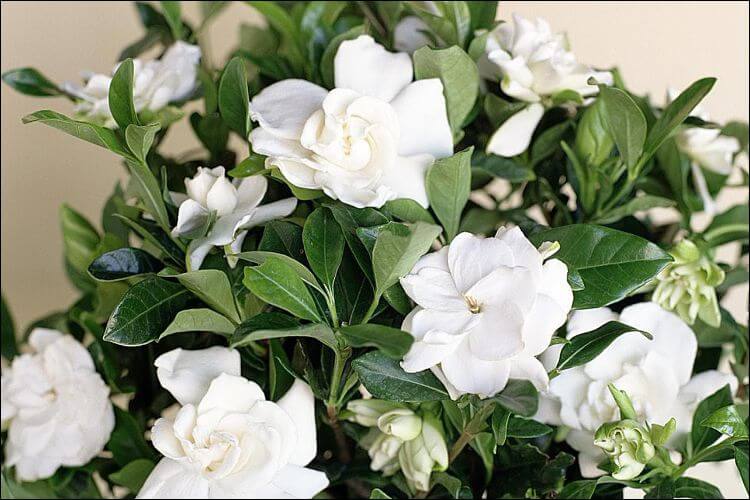
Gardenias are a masterpiece of nature. Their powerful and hypnotizing scent and their lush flowers make them some of the most desirable plants to have around the house. Whether you received a gardenia plant as a gift or you treated yourself with such a beauty one thing is clear; gardenias should become a part of your gardening routine and especially of your front porch landscaping plans. But growing gardenias indoors? Now that is a challenge!
There are a few things about gardenias that you should know before anything else. Gardenias are native to China and Japan. In other words, their perfect growing conditions include high humidity, bright light, and cool temperatures, among others. While many recommend we plant these exquisite broad-leaf evergreen shrubs outside, when it comes to indoor gardenias planting and care, things get much more difficult.
As you know, we are always up to a challenge! If we can grow Peace Lilies indoors, why can’t we also grow gardenias? Before you go to the nursery and bring gardenias back home for a symphony of beauty and scent, we have to get into the details. So let’s see today everything you need to know about growing gardenias indoors.
Growing Gardenias Indoors: The Perfect House Spot
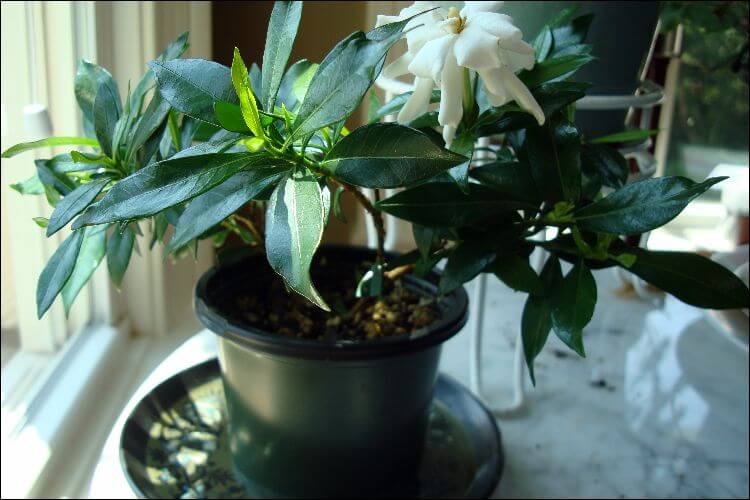
Before you go to bring your gardenia home, you should pick the perfect house spot to place it. Gardenias are somewhat fickle plants and they do not like to be moved around. They are very sensitive to their environment and may wither and die fast if you change your mind too often about the place where you want them to stay.
Speaking about the perfect spot, you need to consider all possible variables that can help your gardenia thrive. The general features of the spot should go along the lines of:
- Generous amounts of light: at least half a day of sun;
- Room temperature that is about 50 F. (13 C.) during the day and up to 63 F. (18 C.) at night;
- Increased indoor humidity – which is hard, but not impossible to achieve, even in winter;
- Safe from drafts;
- Nowhere near or in the way of direct hot air coming from a furnace.
You can buy your gardenias and hope to nurture them as houseplants only after you picked the spot. As accessories go, it would not hurt to get a room humidifier, a thermometer, and your usual indoor gardening tools.
Gardenias Indoor Growing Conditions

Gardenias need some extra-care and some specific growing conditions. You should not, however, expect from them more than they can offer. The flowers will fade away at some point. You need to provide the gardenias with your best care and love, perfect growing conditions, and a lot of attention, to make sure you do not lose their “evergreen” feature.
We will next look at the most important growing gardenias indoors conditions and emphasize on the issues you need to be vigilant about.
1. Light
As we said, gardenias need bright light to pamper them at least half a day. Place them near a sunny window but not necessarily on the windowsill itself. If you live in an area where summers are brutal, make sure your gardenias do not burn if placed in direct sunlight.
- The best choice for growing gardenias indoors is a southern room that receives natural heat and light at least half a day. Make sure your gardenias also benefit from some welcomed afternoon shade in summer. In winter, you can allow the gardenia to bathe in light.
- You can also use a light source in winter or in a room, which does not provide the plants with enough natural light. However, make sure you keep the gardenia at a reasonable distance from the source’s direct rays.
2. Humidity
It is a very important factor, and you need to set it right and measure it often. Gardenias thrive in humid environments. You should buy a hygrometer or a combination thermometer and hygrometer. Keep them close to your plants and adjust the humidity and temperature accordingly. The problem with gardenias winter indoor growing is that we usually heat up our houses in the cold season. That heat is particularly dry for humans and pets, being even worse for plants. Here are some things to keep in mind when you set the gardenias’ humidity:
- Keep the gardenias in a relative humidity of 50%-60%.
- Use a humidifier if the room is persistently dry; occasional misting does not maintain room humidity.
- Place your gardenias in containers also placed on a tray of gravel filled with water. Remember the plants love humidity not moisture, so soggy soil is not an option. Dry soil will also kill the buds, but we will arrive to that in a minute.
- Another way to keep the humidity levels right is to group the houseplants together.
3. Temperature
Temperature and humidity go hand in hand. If the temperatures are not right, your gardenias will protest by dropping their buds. Here is what you need to know about temperatures:
- Place a thermometer in the proximity of your gardenias.
- Make sure they receive up to 60 F during the night. You can push to up to 63-64 degrees, but keep in mind that overheating may play against you.
- Avoid all possible drafts and sudden drops in temperature in the room where you keep the gardenias.
4. Soil
We should have started with the soil, but since all these growth factors are intertwined and co-dependent, soil is an issue, we can discuss now as well. As we said, soggy soil is not an option. These are the main things you need to know:
- Gardenias prefer slightly acidic (pH between 5 and 6), nutrient-rich, well-drained soil.
- Use a well-drained container mix formulated for acid-loving plants rather than dense garden soil. You can also make your own organic potting soil to get the healthiest of plants. Rhododendron mix works just fine as well.
- Do not add vinegar or pickle brine to the pot. Use a suitable acidic potting mix and investigate pH or water-quality problems before adding amendments; salty or strongly acidic household mixtures can damage roots.
- If you bought potted gardenias, probably they are already in the right soil. Ask the provider and make sure you do not repot the gardenias if not necessary because unnecessary root disturbance can stress them.
5. Fertilizer
Growing gardenias indoors requires you to regularly fertilize them for optimum growth and flower production. You should use a fertilizer that is specially formulated for gardenias – it will be more acidic. Read the label and make sure you pick a high-quality product. These are some of the things you should know:
- Use a fertilizer labeled for acid-loving container plants; there is no single ratio required for every plant and potting mix.
- Follow its rate and frequency instructions during active growth, rather than feeding by a fixed year-round calendar. You can cut back on the fertilizer if you see signs of damage or plant discomfort.
- Avoid over-fertilization. Gardenias love balance, so if you overdo it with the fertilizer they can also protest and drop their buds or turn their leaves yellow. Over-fertilization can cause plant damaging salt buildup in the soil and root dehydration.
6. Water
The gardenias soil should be moderately moist. Water the plants when the soil is dry to the touch (you can stick your finger in it), but not completely dry. The best course of action is to check the soil daily and water as needed. As we said, too wet soil leads to damages, as well as does too dry soil. Bud drops are just the first sign that something is wrong with the water levels in the soil.
- Never let gardenias stand in water.
- Water use changes with light, room temperature, humidity and growth. In winter, check the mix instead of automatically reducing or increasing watering. Allow the top half inch of soil to dry before you give your plants a drink.
7. Pests
Inspect leaf undersides, stems and new growth regularly. Aphids, whiteflies, scale, mealybugs and spider mites need identification before treatment. Isolate an affected plant from other houseplants. If a pesticide is necessary, select a product labeled for the pest, plant and indoor setting and follow the label, including dilution and repeat-treatment directions. Never use a half-soap, half-water mixture.
Yellow leaves alone do not diagnose nematodes or iron deficiency. Check drainage, roots, watering, pH and visible pests, and seek help from an extension plant clinic when the cause is unclear. Do not add fertilizer merely to see whether a struggling plant improves.
See Clemson Extension on gardenia pests and gardenia diseases and other problems.
Growing Gardenias Indoors: Cutting, Pruning, Extra-Care

Enjoying lush, fragrant, and healthy gardenias does not end with pest control. You need to make sure you know how to care for your gardenias after you met all the environmental requirements of their perfect thriving.
Cutting and Pruning
- Remove dead or damaged growth and prune lightly for shape; do not remove healthy woody stems indiscriminately.
- Deadhead or remove spent blossoms.
- For most gardenia varieties, you should prune the gardenias right after the plants finished blooming. If you wait too long to prune, they will not bloom next year.
- Cut or prune gardenia branches just above a node, where a leaf attaches to the stem.
- Cut flower buds in the morning and open flowers in the afternoon for floral arrangements.
- Be very careful about how you handle the plant if you want to make floral arrangements, because gardenias are incredibly sensitive to handling, bruising, and mechanical accidents. This is why you should touch the flowers the least possible. In addition, only use sharp, sterile pruning shears or scissors to avoid tearing the stem.
Repotting
As we said, you should not repot gardenias unless necessary. Check whether roots have filled the container or the potting mix has deteriorated before deciding to repot. If the roots filled the pot, make sure you avoid transplant shock as much as possible. Use a new soil following the recommendations above for repotting and keep in mind the pH level, the soil moisture, and the plant’s general requirements to achieve a successful repotting operation.
Picking up our petals…

A well-cared and loved gardenia will be compact, with deep leaves, beautifully scented buds, and its flowering time will depend on the cultivar and growing conditions. It will offer you endless joy if you are careful to respect its needs and wishes. Before we depart, we want to say that you should not give up on your gardenias if the first trials lead to failure. Growing gardenias indoors can be very tricky. However, people become passionate about cultivating these gorgeous flowers both inside the house and out, so be patient, follow the rules, and enjoy these exquisite natural works of art!
Further reference: Clemson Extension gardenia care. Indoor plants need bright light, suitable humidity and consistent root conditions; landscape fertilizing schedules should not be applied automatically to a houseplant.