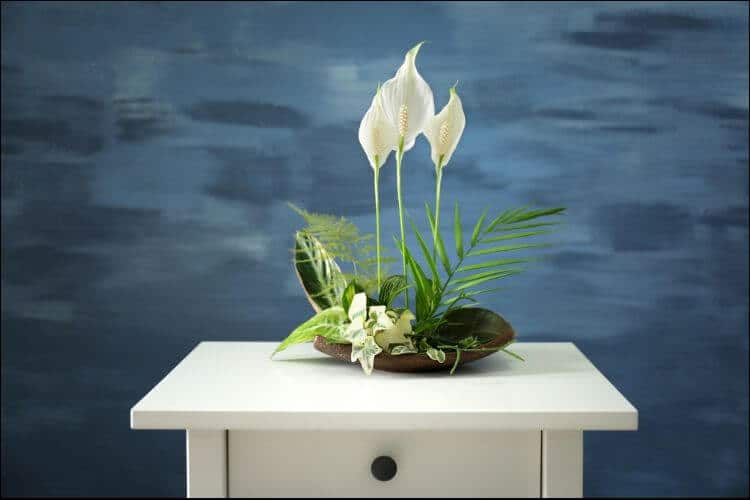
Peace lilies are one of the most popular houseplants. They are very easy to grow, and they usually grow between 16 inches and 6 feet tall. Grow peace lilies for their foliage and flowers, not as air cleaners: the EPA says ordinary numbers of houseplants do not remove significant amounts of indoor pollutants. Today we are going to learn how to care for a peace lily indoors in some simple steps.
How to Care for a Peace Lily Indoors 101
1. Choose a Good Spot
Peace lilies are tropical members of the arum family, not true lilies or lily of the valley. Give an indoor plant bright, indirect light and protect it from harsh direct sun, cold drafts and heating vents. Judge the light at the plant rather than relying only on a window’s compass direction. NC State Extension describes their preference for shade and warm conditions.
2. Water It Adequately
Knowing how to care for a peace lily indoors also consists of watering it adequately. Keep the potting mix moist but not soggy, allowing it to dry slightly between waterings. Water with room-temperature water, let the excess drain, and empty the saucer. Clemson Extension’s peace-lily guide recommends avoiding both excessive drying and standing water. If you give the plant too much water, it will wilt and die, not to mention that it can cause root rot.
On the other hand, if you neglect this aspect, your peace lily will visibly droop. There is no fixed weekly watering schedule. Check the potting mix before watering, rather than deliberately waiting for wilting. Light, temperature, pot size, and season affect how quickly it dries; Iowa State Extension explains why watering frequency must vary.

3. Manage Humidity
Frequent misting is not a reliable way to raise humidity: the effect lasts only briefly. Iowa State Extension recommends a room humidifier or grouping houseplants instead. Do not increase watering simply to compensate for dry air; check the potting mix first.
Wipe dusty leaves with a damp cloth. Use room-temperature water, and do not assume that leaving tap water out for a day removes every dissolved substance.
4. Ensure the Right Temperature
Ideally, peace lilies love a consistent temperature that stays between 65 and 80 degrees F. It’s important to protect the plant from a drastic change when it comes to temperature. Make sure there is no draft around it either.
5. Trim the Leaves
Remove dead leaves and spent flower stalks with clean scissors, avoiding healthy tissue. Review watering, light and root condition when browning is widespread; pruning alone does not correct the cause. A temporarily wilted green leaf does not automatically need cutting off.
6. Fertilize the Plant
Peace lilies need relatively little fertilizer. Clemson Extension recommends a balanced liquid houseplant fertilizer at one-quarter strength every six to eight weeks during spring and summer growth. Follow the product label and avoid feeding a severely stressed or waterlogged plant as a substitute for fixing its conditions.
White spathes can naturally turn green as they age; this alone does not diagnose overfertilization. NC State Extension describes this normal color change. Brown leaf tips or roots can have several causes, so review watering and feeding before changing treatment.
7. Repot the Plant
Inspect the roots and potting mix before deciding to repot. Crowded roots or deteriorated mix can justify a change, but yellow leaves and frequent watering are not proof that the pot is too small. Check light, moisture and drainage as well. Use a container with drainage and a well-drained houseplant mix, and choose the size for the root system rather than automatically moving to a much larger pot.
8. Keep Away from Children and Pets
Keep peace lilies out of reach of children and pets. Their calcium oxalate crystals can cause painful mouth irritation and difficulty swallowing when chewed. Avoid contact with eyes and mouth and wash after handling. Seek poison-center or veterinary advice after an exposure. NC State’s plant profile describes the irritation risk.
9. Deal with Root Rot
Persistent wetness and poor drainage can damage roots. Wilting in wet mix should prompt a drainage and root inspection rather than more water. Isolate a struggling plant while checking it. If roots are soft or decayed, seek a diagnosis and remove affected material with clean tools where salvage is appropriate; severely damaged plants may not recover.
Repotting into dry soil is not a universal cure. Correct the drainage problem, use fresh suitable mix and a clean draining container, and manage moisture for the surviving roots. Avoid transferring suspect mix or dirty tools to healthy plants. Extension advice can help distinguish a watering problem from a disease requiring different management.
10. Get Rid of Pests
Inspect the undersides of leaves and stem bases for pests, especially mealybugs, and separate an affected plant from others. Sticky residue or webbing is a clue, not a complete diagnosis. Identify the pest before choosing treatment.
Wiping foliage and a gentle rinse may remove some pests. If a pesticide is needed, select a product specifically labeled for the pest, indoor houseplants and the intended use. Follow dilution, ventilation, repeat-treatment and plant-sensitivity directions. No treatment guarantees that pests will never return.
11. Get Rid of Fungus
Another problem you may stumble upon when learning how to care for a peace lily indoors is a fungus infection. They can be either harmless or fatal, so you need to pay attention to them. The clearest sign that your plant is going through something like this is that it has a fuzzy growth on the soil, in a white or grey color. If you are susceptible to allergies, you may be irritated by the weird growth.
A surface growth is not enough to identify a plant disease. Check drainage and watering first, and inspect the leaves and roots for damage. Seek a diagnosis from a local extension service before applying a treatment; do not assume that cinnamon is an established cure for an unidentified problem.
Do not discard an otherwise healthy plant solely because you see surface mold. Whether a plant needs treatment or disposal depends on the diagnosis and extent of damage, not just the presence of fungal growth.
Here you have a brief clip explaining in detail how to care for a peace lily indoors:
Conclusion
Learning how to care for a peace lily indoors isn’t a difficult process. What you need to keep in mind is that this plant has special needs when it comes to light, water, and temperature. It’s useful to be aware of the possible pests and diseases as well and to keep an eye on the symptoms.
However, if it happens for your plant to suffer from a fungal infection, pests, or root rot, there are some ways in which you can try to get rid of them. Even so, there might be cases where it’s too serious and you’ll need to discard the plant altogether.
Images source: depositphotos.com