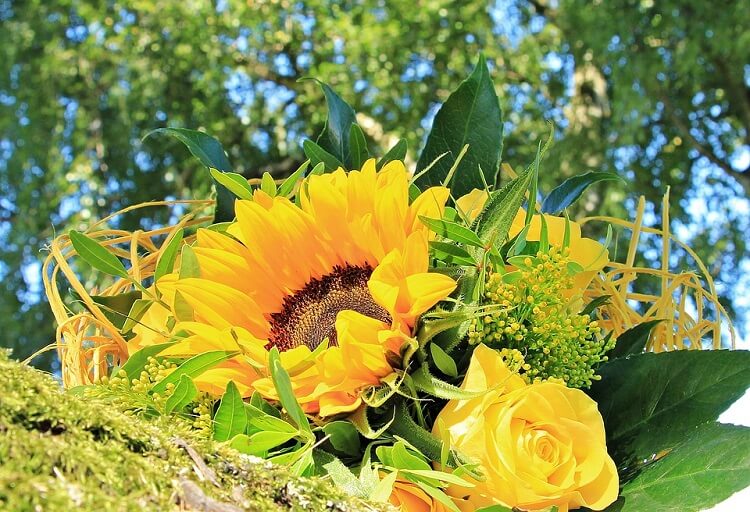
Birth month flowers are traditional flowers associated with each month of the year. They can inspire a birthday bouquet, a commemorative planting or a family garden. The lists and symbolic meanings vary between traditions; they do not predict personality, and the plants will not necessarily flower during that month where you live.
The month-and-flower pairings below follow the familiar Old Farmer’s Almanac tradition. Use them as a starting point, then choose plants for your climate, space and the recipient’s preferences.
January: Carnation and Snowdrop
These offer quite different ways to mark a birthday: a carnation bouquet or a planting associated with the small flowers of snowdrops. For a gift, a favorite color is more dependable than assuming everyone reads a color’s symbolism the same way.
For the garden, check the exact plant and planting season. A florist’s carnation and a hardy garden pink are not necessarily interchangeable selections. Snowdrop bulbs also need appropriate growing conditions rather than simply being planted outdoors on the birthday itself.
February: Violet and Primrose
Violet and primrose are common February choices, even though roses are strongly associated with Valentine’s Day. A small pot, botanical print or seasonal arrangement can work if an outdoor planting is impractical.
Check the label: “violet” and “primrose” are common names used in different contexts. Buy a garden plant suitable for the recipient’s site rather than assuming an indoor flowering gift will thrive outdoors.
March: Daffodil
Daffodils are the usual March flower; jonquils belong within the daffodil group rather than representing an unrelated plant. A planting can become a recurring seasonal reminder, although its flowering date depends on climate and cultivar.
Plan ahead if you want bulbs growing in the garden, and follow the local planting season. Do not expect dormant bulbs bought on the birthday to produce an immediate display. Keep ornamental bulbs separate from food such as onions.
April: Daisy and Sweet Pea
A daisy theme can be simple and informal, while sweet peas offer another traditional choice. If you are making a planting rather than a bouquet, identify the daisy species and choose the appropriate size and hardiness.
Ornamental sweet peas are not edible peas. Their pods and seeds must not be eaten, as the RHS sweet-pea guide explains. Label them clearly in a garden where children also grow vegetables.
May: Lily of the Valley and Hawthorn
Lily of the valley and hawthorn offer a useful reminder that birth-flower choices differ greatly in scale. One is a spreading garden perennial; the other can be a substantial shrub or tree. A hawthorn should be chosen as a long-term landscape plant, not squeezed into a flower bed because it represents May.

Lily of the valley is toxic if eaten. It is not interchangeable with a true lily, and its attractive appearance does not make it a food garnish. Consider the household and planting location before giving it as a living gift.
June: Rose and Honeysuckle
Roses and honeysuckles are familiar June associations. A rose can be selected for the recipient’s favorite color or garden style; there is no need to treat a particular color as a compulsory message.
For honeysuckle, identify the species before purchase. Some are invasive outside their native range, and some are shrubs rather than climbers. Our honeysuckle care guide explains why that distinction matters.
July: Larkspur and Water Lily
These two choices suit very different settings. Larkspur provides an upright flower display, while a water lily requires an appropriate aquatic setting. A water-lily print or arrangement may be a better gift than a live plant for someone without a suitable pond.
Larkspur is harmful if eaten. A birthday theme does not override normal plant-safety precautions, and neither flower should be assumed edible simply because it is part of an ornamental garden.
August: Gladiolus and Poppy
Gladioli and poppies offer contrasting flower shapes for an August theme. Choose between them by the intended use: a cut-flower gift, an existing border or a planned planting.
“Poppy” covers many species with different requirements. Check the exact species and any local restrictions before buying seed. For gladioli, ask whether the chosen type can remain outdoors through winter in the recipient’s climate.
September: Aster and Morning Glory
Asters and morning glories are customary September choices. They are not evidence that people born in September have a particular temperament or resilience. Let a personal message explain why you chose the flower.

For a planting, compare the named aster’s mature size and flowering season. Check the morning-glory species and local invasive-plant advice; a climbing annual and a persistent invasive vine are very different gifts.
October: Marigold and Cosmos
The Almanac’s October guide pairs marigold and cosmos. Both can inspire a colorful arrangement, but the common name marigold can refer to different plant groups. Keep the label if the gift is intended for planting.
Choose a locally appropriate sowing or planting time instead of assuming October is a warm growing month everywhere. A packet of seeds with a note about when to sow can be more useful than a plant delivered just before freezing weather.
November: Chrysanthemum
Chrysanthemum is the familiar November flower. A florist’s flowering pot gives an immediate display; a garden cultivar is a longer-term choice whose hardiness and bloom season need checking.
Ask the supplier whether the particular plant is intended for temporary indoor display or lasting outdoor cultivation. The same common name on two pots does not promise the same winter survival.
December: Narcissus and Holly
December traditions include narcissus, often paperwhites, and holly. Paperwhites are commonly associated with indoor seasonal displays; holly is a woody plant valued for foliage and fruit as well as its small flowers.
For a permanent planting, check the actual species, mature size and climate suitability. Treat holly berries and ornamental bulbs as non-food items. A seasonal association is not a reason to put them where children or pets might eat them.
Make a Birth-Flower Garden Practical
You do not need twelve separate beds or one specimen of every plant. Pick the family associations that matter, then group compatible plants by light, water and space needs. Use a drawing, plant marker or photograph to include a flower that cannot grow well at your site.
For gift meanings, a short personal note avoids confusion between competing traditions: “I chose this because it reminds me of your garden” is enough. Avoid promising health benefits or treating a flower color as an insult or a prediction.
Consult the RHS guide to potentially harmful garden plants when planning around children or pets. For more plant-selection ideas, see our garden flower guide. A suitable plant and a realistic care plan make the most lasting birthday gift.
Image source: 1, 2, 3, 4, 5, 6, 7, 8, 9, 10, 11, 12, 13, 14, 15