

How to Pick a Healthy Poinsettia Plant
Starting off with a healthy poinsettia plant will go a long way towards helping it last all season! There are quite a few things to look for when purchasing a poinsettia plant. First, you should pick out a plant that is lush and full of dark green leaves. It can be a bad sign if the plant is sparse or has yellow green leaves. Next, check for broken leaves. Ideally your plant should be balanced and even from every side. If there are broken or ripped leaves that have been removed the plant will look lopsided and should be avoided. You should also check that the bracts, or red colored leaves, are completely colored and don’t have white or green edges. Finally, the plant should be close to 2.5 times taller than its diameter. These proportions mean that the plant is mature and healthy.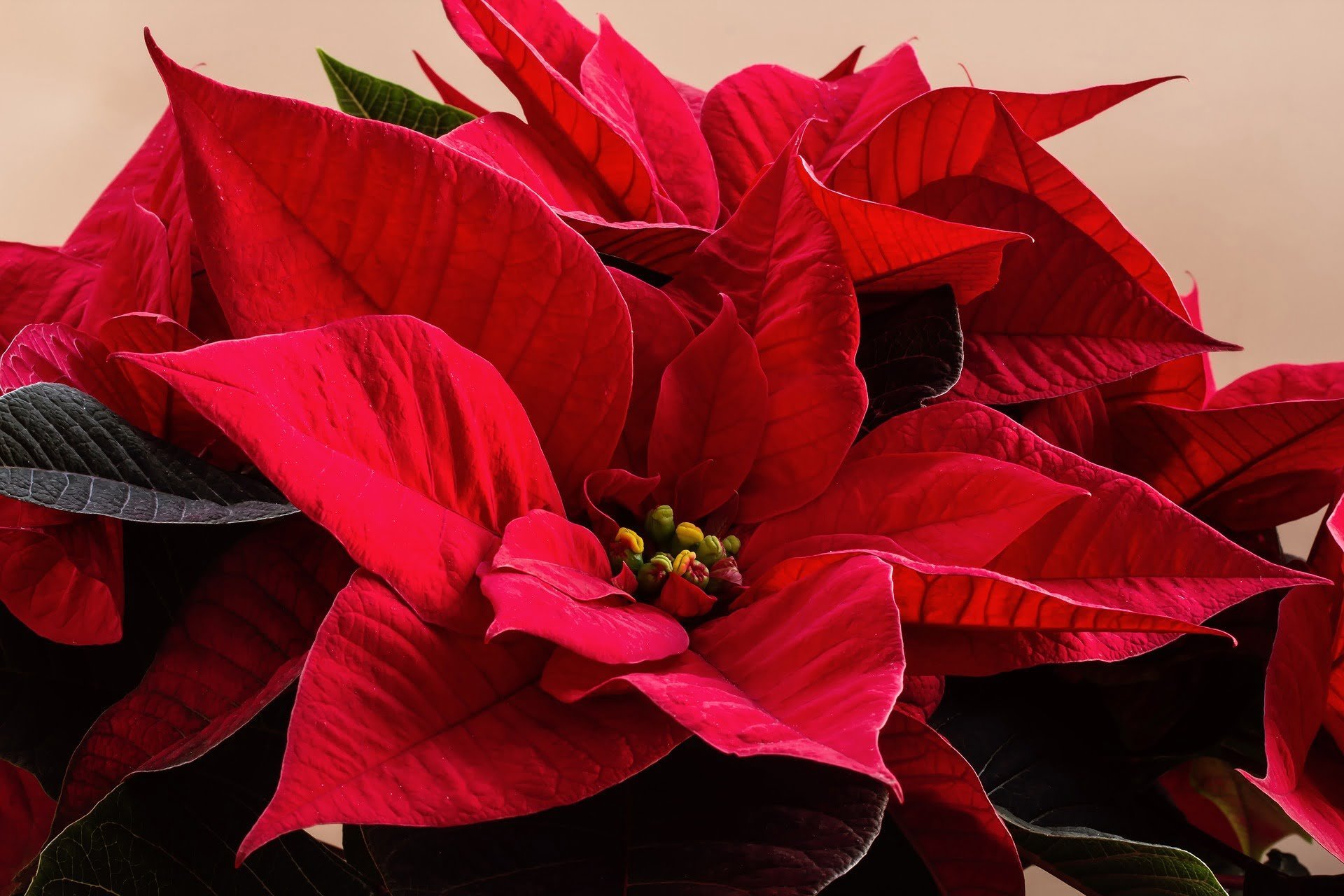
Are Deer a Threat to Poinsettia Plants in the Garden?
Poinsettia plants in the garden may be at risk due to a threat from deer. These graceful creatures, known for their browsing behavior, can feed on the leaves and flowers. To ensure their safety, taking measures for keeping deer away from your garden becomes crucial. Implementing deterrents like fencing, repellents, or natural alternatives are effective ways to safeguard your precious poinsettias.
Keep Your Poinsettia Plant Warm
Once you have picked a few healthy and beautiful poinsettia plants it’s time to take them home. Because these plants despise the cold, it is important to transport them wrapped in plastic. Even a few minutes of cold can leave your poinsettias looking droopy and sad. When you get your plant home you should keep the temperature of the house between 60-75 degrees. It is okay if temperatures at night drop down to 55 degrees. Another way to keep your plant warm, is by keeping the foil wrapping around the base of the plant pot.Caring for Your Poinsettia Plant
Your plant will need to be displayed where it has access to plenty of indirect sunlight. Ideally it should be placed away from any warm or cold drafts. This means you should avoid placing it near windows or heating vents. As far as watering goes, don’t be tempted to over water. You should only water your plant when the soil is dry to the touch. Don’t forget to poke a hole in the foil wrappings so that your plant can drain properly! It is also recommended that you feed your plant with a little fertilizer every 2 weeks. With a warm and sunny spot in the house and a little attention, you should see your plant begin to thrive!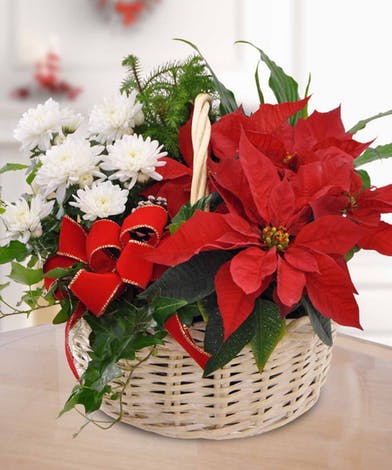 Image Source: www.boesen.com