A sensory garden deliberately offers things to see, hear, smell, touch or taste. It can be a few containers beside a seat or a larger garden with distinct areas. Start with the people who will use it: a scent or sound that one person enjoys may overwhelm someone else. You do not need to stimulate every sense at once or replace all your existing plants.
Plan the experience before buying plants

Ask what users enjoy, what they avoid and how they move through the space. Map a simple route, places to pause and access for watering and maintenance. Try a temporary arrangement of pots and seating before committing to new paths or beds. Image credit: Pexels.
Thrive’s sensory-garden guidance emphasizes individual preferences and accessible, touch-friendly planting. Position features where users can reach or observe them comfortably, and choose plants without thorns, irritating surfaces or toxic parts for areas intended for handling. A sensory garden can support enjoyment and relaxation, but it is not a guaranteed treatment for a health condition.
Sight: build a readable, seasonal picture
Combine color, shape and movement with some quieter spaces. A repeated flower color can help connect a route; a single striking plant can provide a focal point without filling every view. Place taller plants where they will not hide entrances, seats or signs.
Think beyond flowers. Leaves, bark, seed heads and changing shadows can be interesting through the year. Check the actual seasonal behavior of each plant: perennial does not mean evergreen, and not every ornamental grass remains attractive or upright through winter. Choose plants suited to the local climate rather than trying to copy a photograph exactly.
Touch: invite gentle, safe exploration
Soft leaves, smooth pebbles fixed in a panel, weathered bark and a comfortable handrail offer different textures. A tactile feature can be placed beside an accessible path without making the path itself loose or difficult to cross. Avoid assuming crunching gravel suits a wheelchair user or someone with uncertain balance.
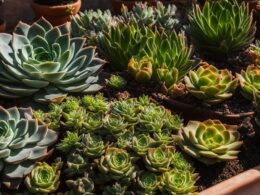
Identify each plant before encouraging handling. Lamb’s ear is often used for its soft foliage, but a plant list still needs review for the users, site and maintenance conditions. Do not promote sharp-edged pampas grass, thorny plants or every succulent as safe to stroke. The KidsGardening sensory-plant guide highlights the need to distinguish touch-friendly plants from plants that can cut or irritate.
Smell: offer choices rather than a wall of perfume
Herbs such as rosemary and thyme can provide a scent when gently brushed, while suitable fragrant flowers provide a seasonal alternative. Check climate, light and drainage requirements before grouping them. A dry-site herb and a moisture-loving plant may not thrive under the same watering routine.
Place strongly scented plants where people can approach them voluntarily and move away easily. Keep a low-scent seat or route available. Do not assume more fragrance makes a better garden, especially when users have sensitivities or simply prefer a quieter experience.
Sound: keep it adjustable
Leaves moving in the breeze, birds and a small water feature can add sound without playing recorded audio. Try the sound from the intended seat before installing a feature permanently. A chime that is pleasant for a few minutes can become intrusive during a windy afternoon or for a neighbor.
Choose controllable features: a removable chime or a pump that can be switched off gives people a choice. Keep water features accessible for cleaning, address child access and use electrical equipment installed for the location. Select noninvasive plants; bamboo is not an automatic solution simply because its leaves rustle.
Taste: make identification unambiguous
Use clearly labelled food crops and identify the edible part, not merely the plant’s common name. The University of Minnesota’s sensory garden illustrates this approach with plant signs and specific sensory roles. A small dedicated tasting area is easier to supervise than a mixture where edible and ornamental plants look alike.
Ornamental sweet peas, Lathyrus odoratus, must not be eaten. They are different from edible garden peas. The RHS explicitly warns that sweet-pea pods and seeds are poisonous. Remove them from any list of snack crops.
Do not encourage visitors to taste unidentified flowers or raw beans. Use known edible crops, prepare them appropriately and wash harvested produce. “Organic” does not mean automatically safe to eat, and any garden product must be suitable for the crop and used according to its label. Allergies and the needs of young children also belong in the tasting plan.
Start small and review it together
Begin with one comfortable seat, a clear route and a few well-chosen plants. Ask users what they actually return to and what they avoid. Replace failing or unsuitable features and keep signs readable. The best sensory garden is one people can use willingly and comfortably, not the one with the longest list of stimulating objects.