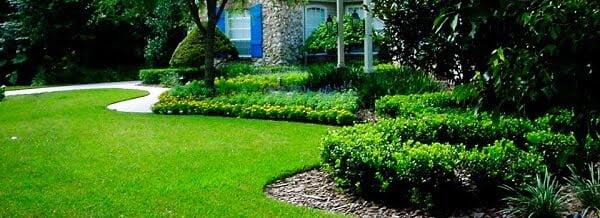
An edible landscape combines food plants with the paths, borders and ornamental planting that make a garden useful and attractive. You can start with one herb container or redesign a larger bed around fruit, vegetables and flowers. The best layout matches plants to the site and leaves enough room to harvest and maintain them.
The seven ideas below are starting points, not fixed planting recipes. Choose locally suitable varieties, check mature sizes and keep plants with different soil or watering needs in separate zones.
What an edible landscape can offer
Growing food close to the kitchen can make it easier to pick a few leaves or ripe fruits when you need them. It also lets you choose varieties that shops may not carry and decide how the crop is managed. You can keep ornamental plants that already work well instead of replacing the whole garden.
Savings depend on yield, setup costs, water and the crops you actually eat. Homegrown food is not automatically safer or more nutritious, and a small garden does not guarantee a particular percentage of water savings. Soil quality, clean handling and correct use of any garden products still matter.
The Oregon State edible-landscaping guide explains how food plants can fit into residential design while accounting for light, mature size and ongoing care.
Plan the space before choosing a plant list

Sketch beds, paths, water access and the sunny and shaded areas. Observe the site at different times of day. Fruiting crops commonly need more sun than leafy crops, but use guidance for the actual plant rather than assuming every edible belongs in the same spot.
Leave access to pick fruit, pull weeds and inspect plants without stepping on the growing area. Place low crops near an accessible edge and taller crops where they will not cast unwanted shade. A trellis can use vertical space, but it must support the chosen crop and still allow safe access.
Keep a clear list of what is edible and which part is used. Do not eat an unfamiliar flower, berry or mushroom because it appears in a garden bed. Avoid food planting in soil with a concerning contamination history until it has been appropriately assessed. Use only garden treatments allowed for the edible crop and follow harvest intervals.
1. A culinary herb and pollinator border

Replace the old idea of a “medicine combination” with a clearly labeled culinary herb border. Choose herbs you use, such as thyme, sage, basil or parsley, and place separate flowering ornamentals nearby for seasonal interest. Growing a plant with a history of medicinal use does not establish that it is safe to consume or effective as treatment.
Group plants by conditions. A dry, free-draining thyme edge and a regularly watered basil pot can belong to the same design without sharing one irrigation schedule. Keep spreading herbs contained or give them room where they will not overwhelm smaller plants.
Penn State’s herbs and flowers guide emphasizes matching moisture, light, drainage and growth habits. Aim for flowers over a useful span of the season, rather than requiring every plant to bloom at once.
2. A blueberry feature with a separate strawberry edge
Blueberries can provide flowers, fruit and foliage interest, but they need acidic soil. Test the site before buying and choose varieties suited to the climate. Check whether compatible varieties would improve pollination and leave room to maintain and harvest the bushes.
The University of Minnesota blueberry guide explains soil preparation and regional cultivar selection. Do not assume that every plant in the original mixed-bed list shares the same pH needs.
Strawberries can form a low edible planting nearby, but keep them in their own suitable soil zone if needed. Manage runners and remove damaged fruit. A dense living carpet is not a substitute for access, airflow or weeding.
3. An easy-access kitchen herb bed
Place frequently harvested herbs near a path or kitchen door where the light is suitable. Repeat a few plants for a tidy appearance rather than collecting more species than you will use. Pots are useful when the ground is unsuitable or winter storage is needed.
Call this lower-maintenance, not maintenance-free. Herbs still need watering checks, harvesting, pruning and occasional replacement. Leave labels visible, and keep vigorous plants from shading slow-growing neighbors. A seasonal checklist is more realistic than promising no further work after planting.
4. A cherry and gooseberry garden room
A suitable cherry tree and gooseberry bushes can help define a food-producing area, but choose the tree’s rootstock and mature size before setting out the bed. Check winter suitability, pollination, pest pressure and any local restrictions affecting gooseberries.
Keep the trunk area accessible and avoid packing every available gap with herbs and groundcover. Plan for pruning, fruit collection and the possible need for crop protection. The tree and bushes may need different spacing and care; their shared role as fruit plants does not make them a self-maintaining system.
5. Apples beside a separate herb strip

An apple tree can act as a long-term focal point. Ask a reputable nursery about locally suitable cultivars, rootstocks and compatible pollination before choosing a pair solely by name. Mark its eventual canopy and root-zone space on the plan.
A sunny herb strip beside the orchard area can add texture and harvests without crowding the tree base. Keep access for mowing or mulching, pruning and collecting fallen fruit. A dwarf tree still needs routine care; small size does not remove the need to manage pests or prune appropriately.
6. A cherry patio border with movable herb containers
For a smaller version of the tree-and-herb idea, use a suitable cherry as the permanent element and grow herbs in movable pots beyond its base. This makes it easier to adjust light and watering as the tree develops.
Do not place containers where they obstruct steps or trap moisture against the trunk. Keep enough room to pick fruit without leaning across a crowded bed. If a tree cannot fit at maturity, use a different edible feature rather than relying on severe annual pruning to force it into the space.
7. A sweet-and-tart picking bed
Combine a locally suitable gooseberry planting with a separate, clearly labeled culinary sorrel patch if you enjoy both crops. Give each enough space and choose varieties for flavor as well as appearance. Read crop-specific harvest advice rather than assuming every leaf or berry in the mixed bed is food.
Flowers can occupy their own edge, but a clover groundcover does not guarantee all the nitrogen neighboring plants need. Monitor growth and soil fertility. Keep aggressive spreaders out of the bed and preserve a clear picking route.
Establish one manageable area first

- Mark the layout. Use temporary markers to test bed widths and walking routes. Raised beds are an option, not a requirement.
- Prepare the soil. Remove persistent weeds, assess drainage and use a suitable soil test before adding amendments.
- Plant permanent features carefully. Locate the root flare and follow stock-specific planting instructions. Do not raise or bury every tree by an arbitrary amount to make room for mulch.
- Add smaller crops. Choose compatible light, moisture and soil needs, and label them clearly.
- Mulch where suitable. Leave stems and crowns clear. Living groundcovers can compete for water and still need management.
- Monitor through the season. Check moisture in the root zone, inspect for pests and harvest at the right stage. A soil-fertility test is not the same as a moisture check.
Record what you harvest and which jobs take the most time. Expand the parts that earn their space. An edible landscape succeeds when it remains a garden you can care for and a source of food you actually want to use.