Buying an organic potting mix can help you choose inputs compatible with an organic growing approach. It does not automatically give better drainage, tastier vegetables or healthier plants than every conventional mix. The best purchase fits the crop, container and care routine, with clear ingredient and use information.
What “organic” does and does not mean
In this context, organic refers to production standards and permitted materials, not the absence of chemicals. Water, minerals and plant material are all made of chemicals. “Natural,” “pesticide-free” and “organic” are not interchangeable guarantees.
OMRI reviews inputs intended for certified organic production and processing. Check the exact product in its current listing and read any use restrictions. A listing is useful compliance information, not a performance ranking or certification of every plant you grow with it. Commercial organic growers should also check with their certifier.
Compare the formulation with your plant’s needs
Potting media need to support roots while providing air, water and nutrients. Penn State Extension explains that many mixes are soilless and can contain components such as peat, perlite or vermiculite, with compost or fertilizer. “Soilless” does not mean “organic,” and an organic mix may still contain mineral components.
Read whether the product is intended for seeds, general containers or specialist plants. An orchid, a desert cactus and a vegetable transplant need not use the same medium. Check whether nutrients are already included before planning additional fertilizer.

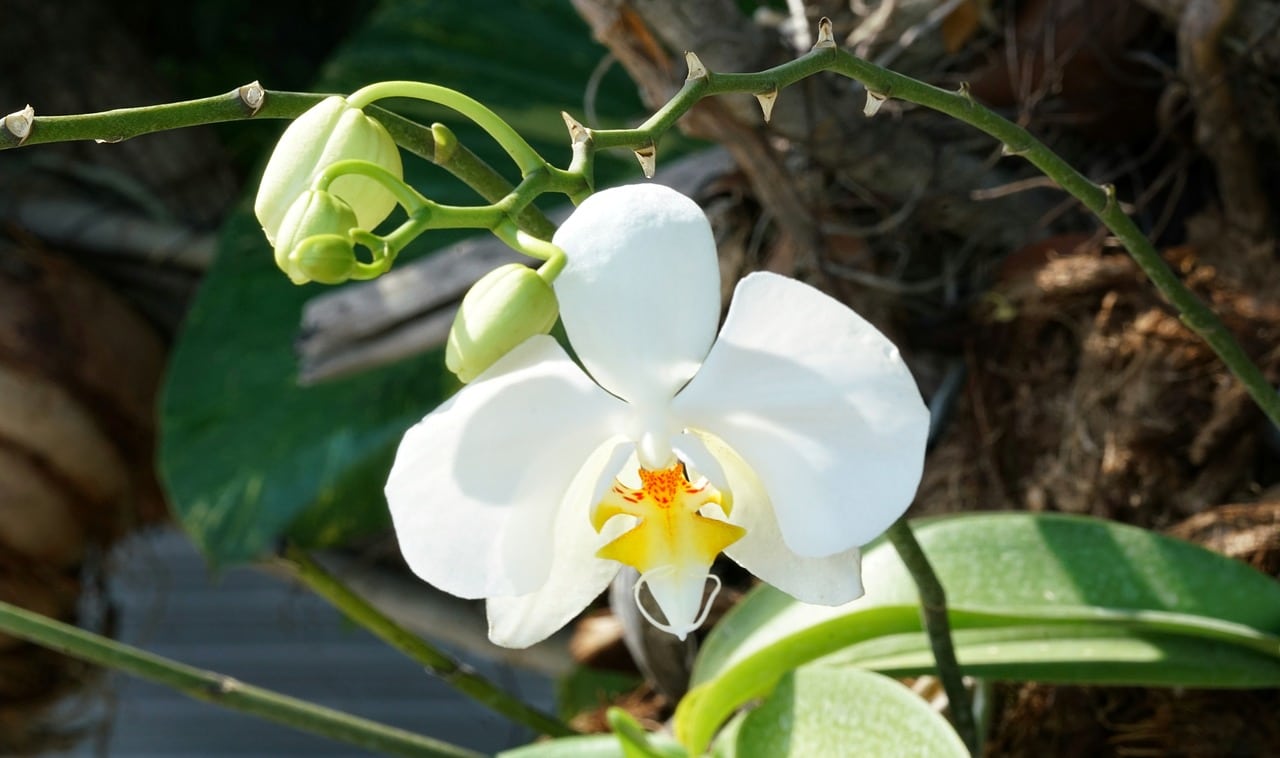
Image Source: Pixabay
Benefits worth paying for
- Clear input information: a current listing and readable label can make an organic-growing decision easier.
- Convenience: a suitable premix avoids storing and measuring several ingredients.
- A formulation for the task: the right balance of components can be more useful than buying a generic bag solely for its label.
Compare delivered price per unit of volume, not the weight you feel when lifting a bag. Moisture and ingredients change weight. Review comments can alert you to packaging problems, but they cannot establish that a mix suits your growing conditions.
Limitations and storage
Organic potting mix is not necessarily sterile, pest-free or guaranteed free of every contaminant. Conventional mix is not automatically treated with insecticide or guaranteed neutral in pH. Read the actual product information instead of inferring those properties from the category.
Inspect packaging, store unused material as directed and contact the seller about a suspect bag. Do not rely on freezing or improvised microwave or oven treatments as universal sanitation instructions. Identify any plant or pest problem before deciding on a response.
Should you make your own?
A homemade mix can be economical for larger quantities, but savings depend on ingredient prices, storage and the time involved. Use a tested recipe for your crop and scale it accurately. Knowing the ingredient names does not prove that their quality, salt content or proportions are suitable.
The former recipes included fixed amounts of lime, bone meal and blood meal without adequate context. Those additions should not be used as a universal formula. Peat and coir are not identical, and the required pH and nutrient adjustment depends on the starting materials. For seedlings, use a reliable seed-starting formulation and consider a small trial before filling every tray.
Buying decision
Choose organic mix when its verified input status matters to you and the formulation fits the job. Choose quality on the basis of intended use, label information and how the medium performs in your containers. An organic label alone cannot promise better flavor, freedom from pests or effortless growing.