

Landscape edging can define a bed, separate loose materials or make a mowing edge. Choose the job first: a decorative line does not necessarily stop spreading grass, and ordinary edging is not a retaining wall. Compare the installed cost, maintenance and fit with your garden rather than assuming reclaimed materials are always cheapest.
Lay out the curve or straight run before buying. Allow room for mower wheels and walking, check for buried services before digging or driving stakes, and avoid sharp or unstable edges near play areas. These nine ideas range from practical borders to decorative accents.
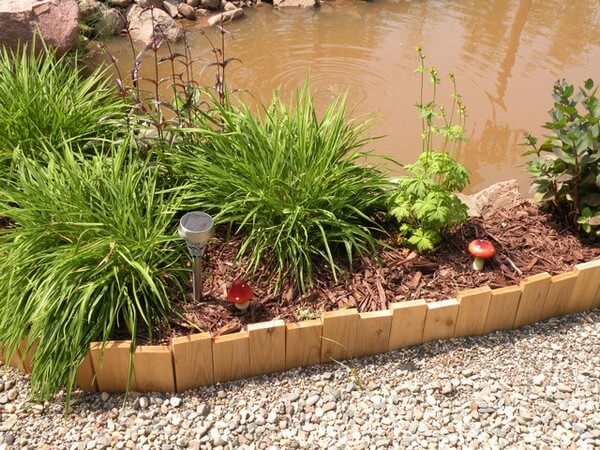
1. Short wooden planks
Upright boards create a rustic line and can emphasize a curved bed. Use sound material suitable for its exposure and secure it so individual pieces cannot tip into a path. Uneven tops may look informal but can create awkward projections where people walk.
Inspect reclaimed timber before use; unknown coatings, nails and deterioration can make it a poor choice. Budget for eventual replacement where wood stays damp. Keep the design low and decorative unless a separate retaining structure has been properly designed.
2. Terracotta edging
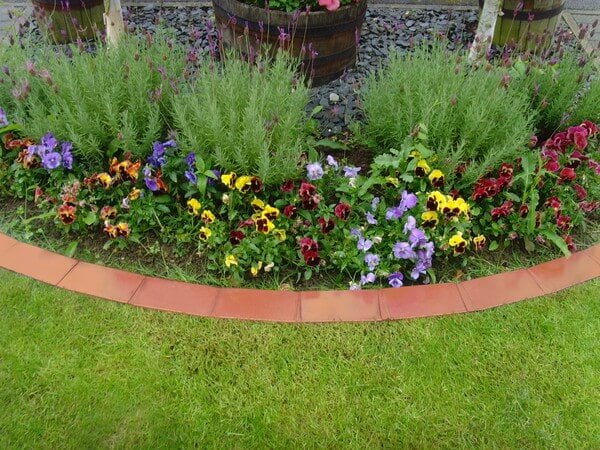
Terracotta offers a warm color that works with pots and brick paving. Purpose-made edging pieces are easier to specify than broken pots, which may have sharp edges. Check that the product is suitable for the local freeze-thaw conditions and intended ground exposure.
Set pieces securely according to their instructions and keep the border clear of mower impact. A repeating shape can be effective without making the edge tall enough to trip over.
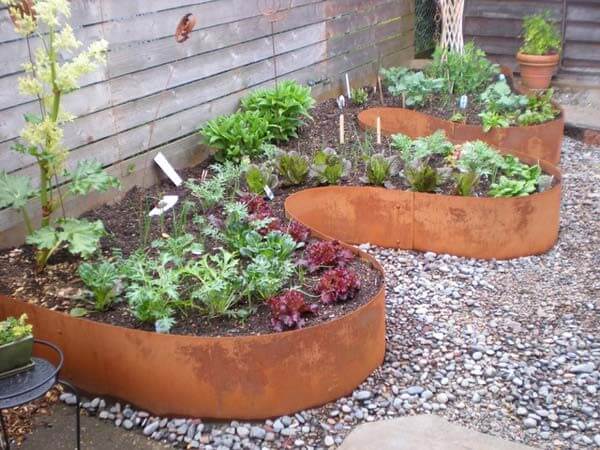
3. Curved steel edging
Steel can produce a crisp boundary around a curved bed. Choose a purpose-made system with compatible joining pieces, stakes and a protected or finished top edge. Thin scrap metal with exposed corners is not a substitute.
Confirm the maximum exposed height and installation method for the product. A strip sold as edging should not be asked to retain a raised bank of soil. Consider how its finish will weather beside the paving and plants.
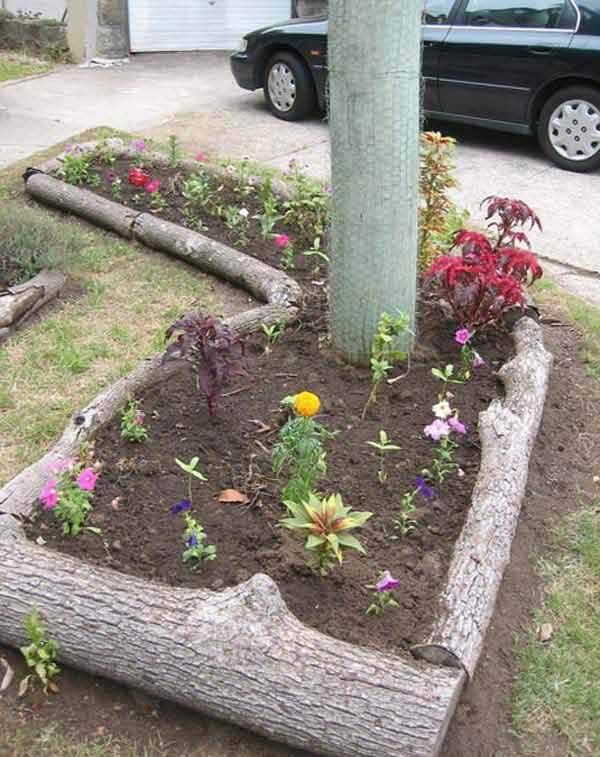
4. Logs or short timber rounds
Logs create an informal woodland effect. Their irregular surfaces can suit a naturalistic bed, but loose rounds should not be able to roll into a walkway. Use a stable arrangement and inspect as the wood deteriorates.
They are less convenient beside closely mown lawn or wherever you need a precise, permanent line. Think about replacement access before planting tightly around them.
5. Brick edging
Brick can be laid to create a narrow line or a broader mowing strip. Match the base and installation method to the soil, expected traffic and climate. A level finish matters where mower wheels or feet will cross.
Using leftover bricks can tie the border to an existing path, but check their condition and suitability for outdoor ground contact. Gaps and settlement may require maintenance; bricks do not create a maintenance-free barrier simply because they are heavy.
6. Shell accents
Shells can add a coastal detail inside a bed, especially as a small contained accent. They are a decorative surface rather than a dependable root barrier or retaining edge. Avoid sharp fragments beside barefoot routes and areas used by small children.
Choose responsibly sourced material. Do not assume collecting shells from a beach is permitted; site rules and habitat concerns vary. Keep loose pieces out of mower paths and drainage inlets.
7. A wheel-inspired decorative panel
Old metal wheels have appeared in rustic garden borders, but loose wheels, exposed spokes and corroded edges can introduce hazards. A purpose-made decorative panel with a similar circular motif is a more practical way to explore the look.
If reusing a piece, have its condition and secure mounting assessed and place it where it does not create an obstacle or entrapment opening. Treat it as an ornament behind a working border, not as the structure that retains soil.
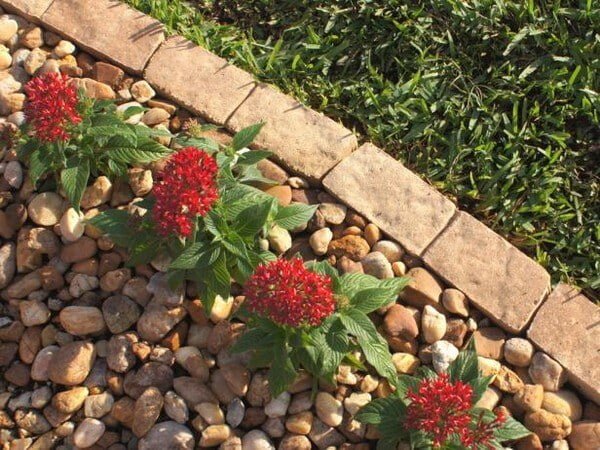
8. Manufactured cobblestone-look edging
Modular edging can give a repeated stone-like pattern without individually selecting natural stones. Compare actual dimensions, corner options, fixing method and resistance to the conditions in your yard. A product photograph does not show how it will follow every curve.
Calculate the number of sections, connectors and stakes, including ends and corners. Check whether the system sits on the surface or needs burial, and how easily a damaged section can be replaced.
9. Landscape timbers
Timbers provide a strong visual line and can suit rectangular beds. Choose material rated for its intended exposure and follow an appropriate installation plan. Stacked timbers holding back soil move beyond simple edging and require more careful design.
For further planning considerations, see the landscape timber guide. Do not use a preservative finish as a substitute for sound construction or assume every reclaimed beam is suitable near a food garden.
Choose the border you can maintain
Before committing to the whole yard, test a short section against the real bed and path. Check whether it catches shoes, obstructs mowing or lets mulch spill where you do not want it. Compare costs for preparation and fixings as well as the material itself.
Inspect the finished edge periodically for movement, rot, sharp damage and exposed stakes. The best-looking option is one that continues to do its job without becoming an obstacle.