Grow potatoes from healthy seed tubers in a sunny bed with well-drained soil. Plant when local soil conditions are suitable, keep developing tubers covered, provide steady moisture, and harvest according to whether you want tender new potatoes or mature potatoes for storage.
1. Choose varieties and healthy seed potatoes

Choose a variety for both your growing season and the way you cook. Floury potatoes suit baking and mashing; firmer, waxier types hold together better in salads. Early varieties offer an earlier harvest, while varieties recommended for storage are a better choice if you want to keep part of the crop.
“New potatoes” describes potatoes harvested young, not a separate botanical species. Sweet potatoes are a different crop and need their own planting method. This guide concerns ordinary potatoes, Solanum tuberosum.
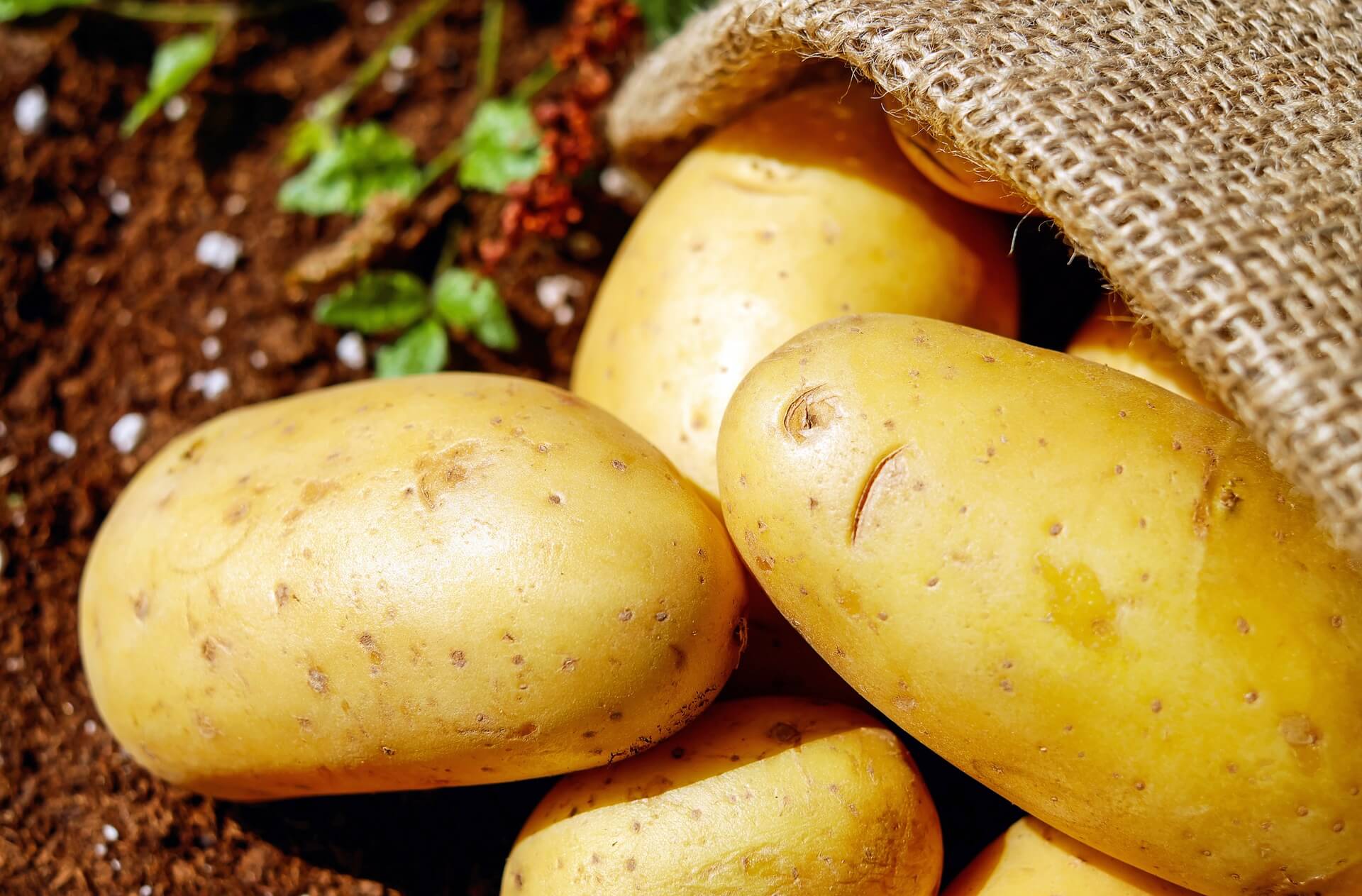
Buy certified disease-free seed potatoes from a reputable supplier. Grocery potatoes and tubers saved from the garden can carry disease even when they look healthy. Small seed tubers can be planted whole. Divide larger ones only into substantial pieces with viable eyes, following the supplier’s guidance; tiny slivers are a poor economy. Let cut surfaces heal before planting. University of Minnesota Extension explains seed selection and preparation.
2. Prepare the bed and plant at the right time

Use a sunny site that drains well. Rotate away from ground recently used for potatoes, tomatoes, peppers, or eggplants when space allows; these related crops can share soilborne problems. A soil test is more useful than guessing how much fertilizer or lime to add.
Planting dates vary by climate. Wait until the soil is workable and warming rather than planting into cold, saturated ground. University of Maryland Extension uses at least 45°F as a soil-temperature guide. Its calendar dates are regional, so check your own extension service for local timing.
A practical row arrangement is seed pieces about 10–12 inches apart, around 3–5 inches deep, with roughly 30–36 inches between rows. Adjust for the variety and available bed space. Place cut pieces cut-side down with the eyes positioned upward where practical. Label the variety and planting date.
If you have little ground space, a large container with drainage holes can work, but it needs sufficient rooting volume and closer moisture checks. Avoid packing many seed pieces into a small bag. The RHS potato-growing guide covers both ground and container methods.
3. Hill the plants and manage water
As stems grow, draw loose soil around their bases while leaving foliage exposed. Repeat as needed to keep developing tubers covered. Do not bury the entire growing plant or scrape so deeply that you damage roots and tubers. Light reaching tubers causes greening, so inspect hills after heavy rain.
Check moisture below the surface and water the root zone when rainfall is insufficient. The aim is reasonably even moisture, especially during tuber development, rather than cycles of saturation and severe drying. Soil texture, rainfall, and container size affect frequency; a fixed daily schedule can be misleading.
Remove weeds while small and cultivate shallowly. Mulch can help conserve moisture, but it does not remove the need to check the soil. Apply nutrients according to a soil test and local recommendations rather than repeatedly adding fertilizer because the leaves look pale.
4. Check pests and distinguish new from mature potatoes
Inspect leaves and stems regularly for chewing damage, eggs, discoloration, and sudden wilting. Identify the cause before treating it. Colorado potato beetles and blights require different responses, and pesticide products must be labeled for the crop and problem. Contact an extension office if symptoms spread rapidly or the diagnosis is uncertain.
For new potatoes, carefully check a plant when the crop has had time to form small tubers. Flowering can be a useful seasonal clue, but it is not a universal maturity test. These young potatoes have delicate skins and are best used promptly.
For storage, wait for foliage to die back naturally and skins to firm, provided soil and weather conditions permit. Do not leave the crop indefinitely in wet ground or until it freezes. Dig carefully from outside the hill to reduce cuts and bruises. Keep the harvest shaded and separate damaged tubers from sound storage potatoes.
5. Cure and store the sound harvest

Allow sound mature tubers to cure in a dark, ventilated place so small wounds heal and skins firm. Brush off dry soil rather than washing the whole storage crop. Use breathable containers and inspect periodically for rot. Storage conditions should suit both the variety and intended use: very cold storage can sweeten potatoes and affect their performance when fried.
Keep potatoes out of light. Discard green, sprouted, rotten, or otherwise questionable potatoes rather than assuming cooking will make them safe. Poison Control explains that cooking does not eliminate potato glycoalkaloids. Do not eat the plant’s foliage or above-ground berries.
Record what worked: planting date, variety, watering problems, harvest timing, and storage losses. That information is more useful for next season than a universal yield promise. Begin the next planting with suitable seed stock rather than automatically reusing food potatoes for several generations.