A safer backyard combines barriers, active supervision, clear routines and well-maintained equipment. No fence or set of rules removes every risk. Start with the hazards that could cause the most serious harm, especially water, moving vehicles and access to tools or chemicals.
1. Check fences, gates and water barriers
Walk the boundary and check for gaps, broken sections and gates that do not close properly. Move climbable furniture away from barriers. Choose a fence and gate arrangement suited to the children and site rather than assuming any picket or chain-link fence will contain them.
A general yard fence is not a substitute for an appropriate pool barrier. CPSC’s Pool Safely checklist recommends a barrier at least four feet high around a pool or spa; local requirements may be stricter. Check self-closing, self-latching gates and never prop them open. Empty small portable pools after use and prevent access to other water containers.
2. Give children simple rules and model them
Use short, activity-specific instructions: stay clear of moving swings, take turns on slides, keep away from the grill and ask an adult before entering a shed. Demonstrate the rules rather than relying on a long list a young child may not remember.
Rules do not make unsuitable equipment appropriate. Follow age and use restrictions, and reassess the setup when younger visitors join older children. Teach children to get a trusted adult when they encounter something unexpected.

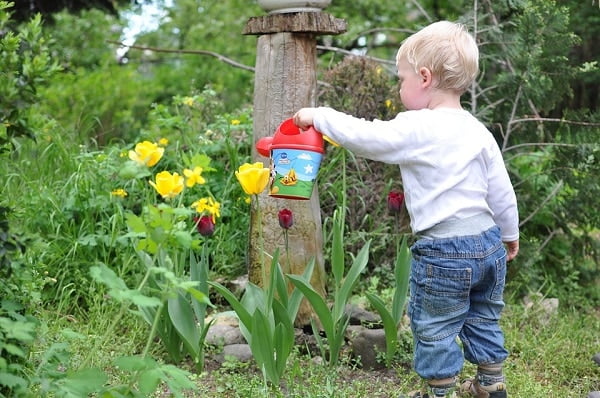
Image Source: PIxabay
3. Inspect and clear the play area
Before play, look for broken glass, sharp debris, animal waste, holes and obstacles. Put tools away and lock up chemicals in their original containers. Keep hoses, cords and other loops out of the play area. Separate play from mowing, power-tool work and hot cooking equipment.
Check the surface and equipment on hot days and after rain or storms. Change the activity when surfaces are too hot, slippery or damaged. Do not assume a familiar yard is unchanged since yesterday.
4. Supervise for the actual activity
Choose a responsible adult who knows they are watching. Young children and water play need close, attentive supervision; occasional checks while doing other work are not an adequate water-safety plan. Agree clearly when one adult hands responsibility to another.
Keep a phone available for emergencies without letting it distract from watching. Learn appropriate first aid and CPR, and make sure caregivers know the address and how emergency services can reach the yard.
5. Maintain equipment and protective surfacing
Inspect hardware, wood, seats, supports and access points on the manufacturer’s schedule. Stop use when a defect is unresolved. Use compatible replacement parts and do not add ropes, alter restraints or remove protective components.
The CPSC home playground handbook covers layout, surfacing and common equipment hazards. Protective material must suit the equipment and fall height; a thin layer of decorative mulch is not enough. Review the whole play space as children grow, not just the broken part that first catches your eye.