Radishes, peas and dill can suit a cool spring vegetable patch, while basil needs warmer conditions. Lilacs, dwarf irises and tulips add spring flowers, but spring bloom does not mean every one should be started from seed or planted as a bulb in spring. Choose by your local weather, planting material and available space.
This list keeps vegetables, herbs and ornamentals separate so you can decide whether you want an edible harvest, flowers this season or a display to establish for a future spring. Local planting guidance is more useful than one nationwide date.
1. Radishes for a quick cool-season crop
Choose a spring radish variety and sow into prepared soil at the spacing and depth on its packet. Thin crowded seedlings so the roots have room to develop, and keep moisture reasonably even. Small repeat sowings can be easier to use than a large crop ready all at once.
Some varieties mature quickly, but a three-week harvest is not guaranteed. Weather and variety affect timing; check a few roots as they approach the expected harvest date. UMN’s radish guide distinguishes spring crops from other radish types. Its calendar is for Minnesota, so adjust to your region.

2. Peas for pods or shelling
Decide whether you want edible-pod snow peas, snap peas or shelling peas before buying seed. Read the variety’s mature height and arrange support where needed. Shorter varieties and tall climbers make different demands on a small bed.
Plant at the locally recommended cool-season time, with access to the plants for picking. Do not treat all pea types as having one maturity date or assume that a plant described as bushy needs no support. Allow room to harvest without trampling neighboring crops.

3. Dill for leaves and, later, seed
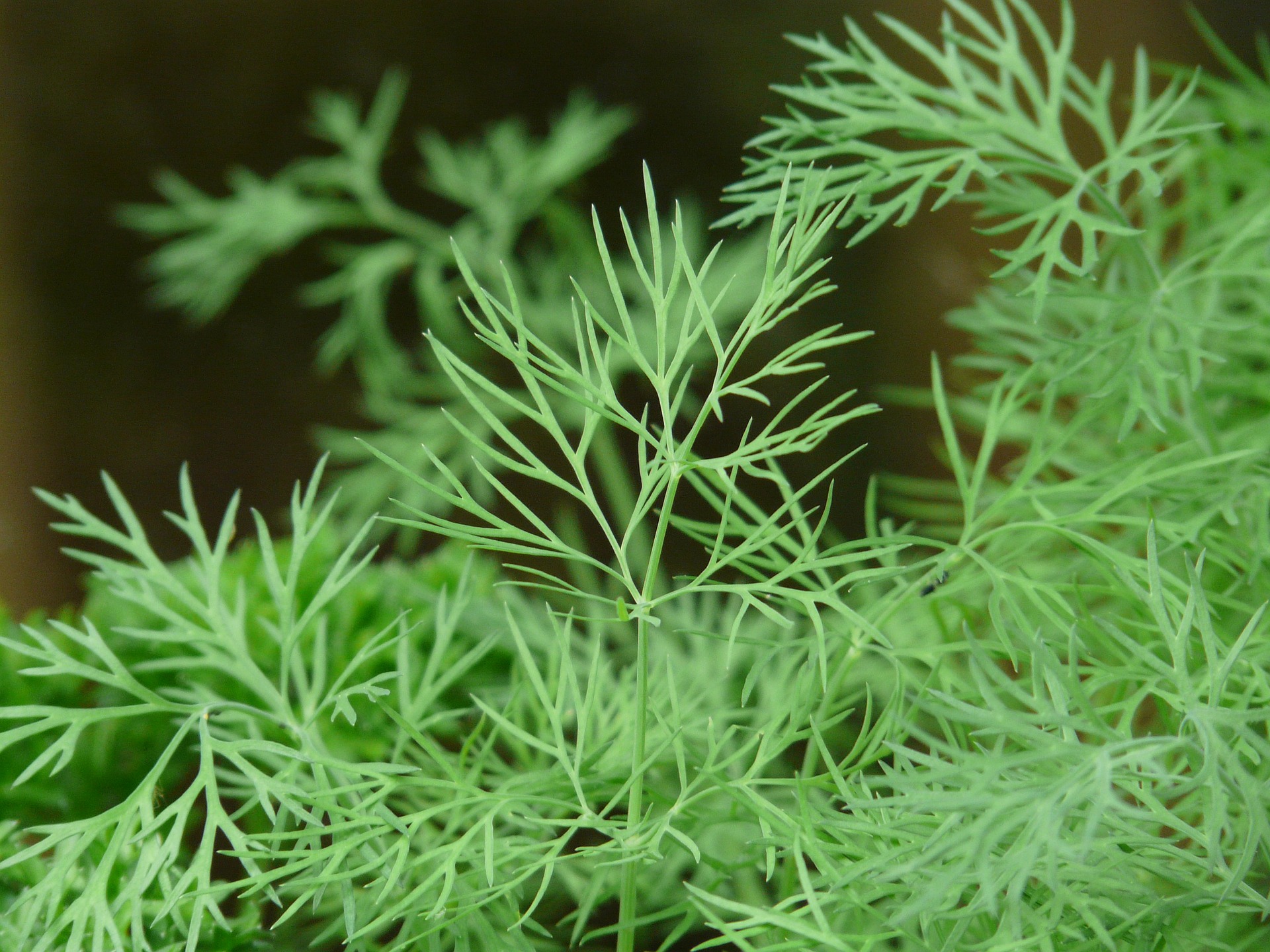
Sow dill where it has room to reach its variety’s mature size. Successive sowings can provide younger foliage as earlier plants flower. Choose whether to harvest mainly leaves or leave some flower heads to develop seed.
Trimming does not cause reseeding: new seedlings come from mature seed. UMN’s dill guide explains the different harvest stages. A tall dill variety is better planned as a substantial plant than squeezed between small herbs without considering its final height.

4. Basil after the cold has passed
Basil is a warm-season herb. Start it indoors if you can provide suitable light, or buy healthy transplants when outdoor conditions are appropriate. Acclimate indoor-grown plants gradually before leaving them outside.
Do not rely on supposed cold resistance to protect basil from frost. UMN’s planting-timing guidance includes basil among tender warm-season crops and emphasizes temperatures rather than the calendar alone. A bright indoor container is another option if its conditions support growth.

5. Lilac as a longer-term shrub
Choose a lilac species or cultivar suited to your climate and its eventual planting space. Buy a named nursery plant when a particular color or compact habit matters. A packet of seed does not provide the same predictability as a named cultivar.
Provide an appropriate sunny, well-drained site and water during establishment according to soil conditions. A newly planted shrub may invest in roots before producing a strong flower display. If pruning is needed, do it after flowering; UMN explains that lilacs form the following year’s flower buds soon afterward. Routine heavy pruning is not a requirement for every shrub.

6. ‘Harmony’ dwarf iris for early flowers
This small bulbous iris suits a place where its early flowers can be seen, such as a border edge or an appropriate container. The RHS profile for ‘Harmony’ describes royal-blue early-spring flowers and a well-drained, sunny position.
Plan bulb purchases and planting for the locally appropriate autumn window rather than promising flowers from bulbs planted late in spring. A nursery pot already in growth is a different purchase from a dormant bulb. Check the label, protect drainage, and do not interpret cold hardiness as a need to keep the soil constantly wet.

7. Tulips for a planned spring display
For a predictable display, buy bulbs of named varieties. Tulip seed is not a quick route to a flowering spring border. In climates suited to ordinary fall planting, plan ahead; the RHS autumn bulb guide explains that seasonal approach. Warm-winter locations need locally appropriate advice about varieties and chilling.
Choose height, flowering time and color for the space, and provide suitable drainage. If you need color immediately, consider flowering nursery pots instead of expecting dormant bulbs to catch up instantly. Leave healthy foliage after flowering to finish its growth cycle.

Make a short planting plan
Record each plant’s location, mature size, starting material and suitable planting season. Sow only the crops your current conditions support, reserve space for warm-season basil, and add an autumn reminder for spring-flowering bulbs. That gives this season a realistic start without confusing a spring-flowering plant with one that can be sown for immediate spring results.