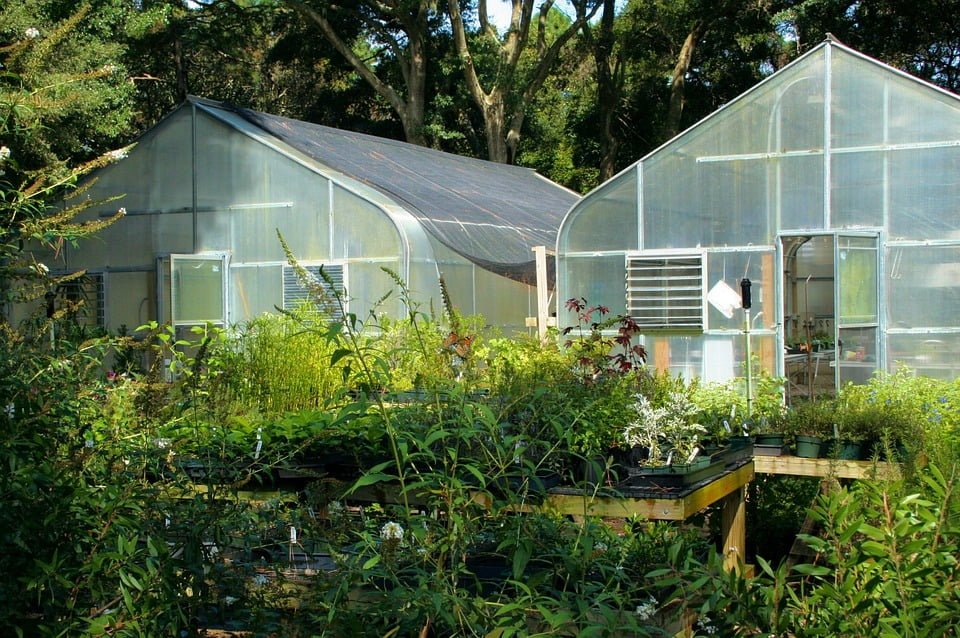
The best greenhouse crop is one suited to the temperatures and light your structure can actually provide. An unheated greenhouse extends the season, but can still freeze at night and overheat on a sunny day. Heating helps manage temperature; it does not replace winter sunlight.
Measure conditions before planning a crop
Record minimum and maximum temperatures, note shading and check how much growing space remains after paths, pots and supports. Decide whether your aim is earlier seedlings, a longer summer harvest or winter leafy greens. Those are different projects.

Image Source: PIxabay
The RHS greenhouse vegetable guide describes seasonal use rather than assuming every vegetable will produce all year. In very cold regions, winter production may need a purpose-designed structure: Minnesota’s deep-winter greenhouse work focuses on cold-hardy crops adapted to low light.
Cool-season crops to consider
- Lettuce: a useful first trial for cool-season beds or containers. Choose a variety for the season and start early enough to establish growth before the darkest period.
- Spinach and other leafy greens: often a more practical winter goal than fruiting crops. Growth slows in low light even if plants survive.
- Carrots: need sufficient loose rooting depth. An established crop may be held for harvest, but newly sown seeds will not necessarily produce quickly in winter.
- Peas: suit cooler growing periods, with support and space for the variety. They are not a guaranteed year-round crop.
- Broccoli: can work where space and conditions suit it, but a large plant occupies valuable greenhouse area for longer than a small salad crop.
Cold tolerance differs by crop, variety and growth stage. “Cool-season” does not mean every plant needs no frost protection in every climate.
Warm-season crops to consider
Tomatoes and peppers are familiar greenhouse choices when there is adequate warmth, light, root space and airflow. Plan support before plants become large. Keeping them barely above freezing will not produce a productive winter crop.
Squash and watermelon are more demanding choices for a small structure. Their growth can occupy substantial space, and fruit production needs suitable conditions and pollination. Try a limited planting only after checking the variety’s requirements and your available season.
Minnesota Extension’s pollination guide explains that crops differ in how flowers set fruit. Tomatoes have self-fertile flowers, but movement assists pollen release; squash and melons generally need pollen transfer between flowers. An enclosed structure changes access for pollinators.
Manage ventilation, water and crowding
Open vents or use the appropriate automatic controls before heat builds excessively. RHS ventilation and shading guidance stresses balancing heat control with useful light. Do not leave summer shading in place by habit when light becomes limiting.
Water according to the growing medium and plant demand. Leave space to inspect leaves, remove diseased material and reach every pot. Check new plants for pests before bringing them inside.
Start with one seasonal plan
For a first year, try a small cool-season salad area followed by a manageable summer fruiting crop. Keep sowing, temperature and harvest notes. Before investing in winter heat or lights, estimate the operating cost and compare it with what you realistically expect to harvest.