

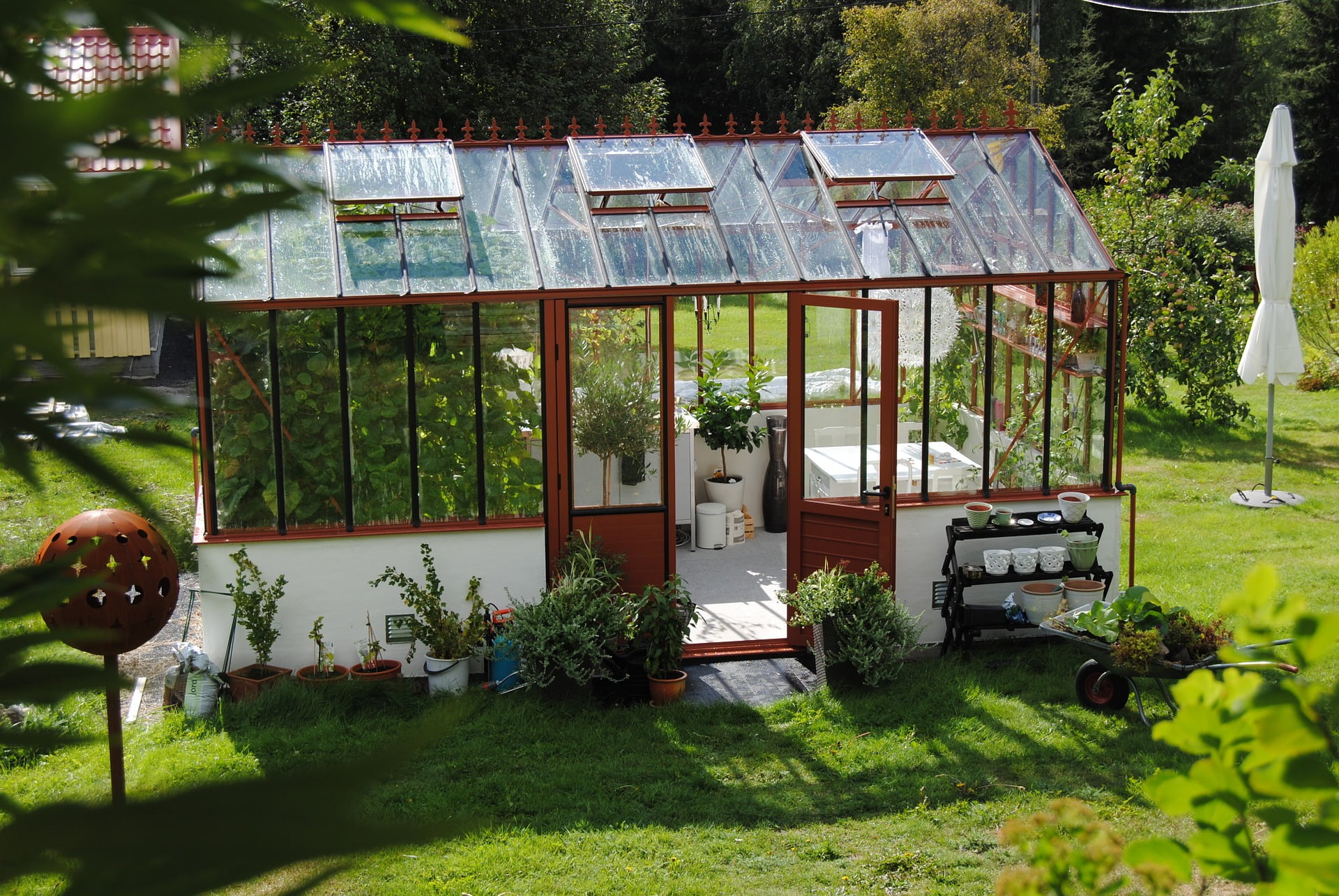
A greenhouse can extend a fruit-growing season and protect selected crops, but it does not remove the effects of climate, winter light or pests. Choose fruit to match the temperatures and space you can actually maintain. An unheated greenhouse and a heated conservatory are different growing environments.
Plan the growing conditions first
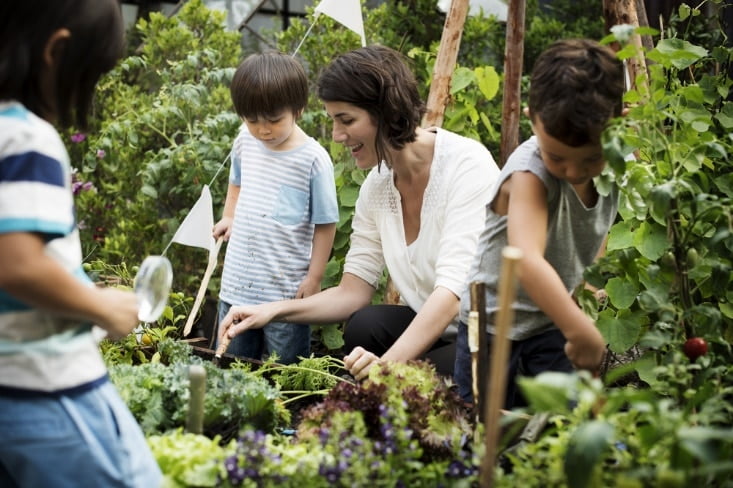
Record minimum and maximum temperatures, available sun, ventilation and watering access. Decide whether the structure is for overwintering containers, bringing a crop forward, or growing a summer crop under cover. Heating alone cannot make up for inadequate winter light, and summer heat may become a problem even when the outdoor air feels mild.
Check mature plant size and leave room to inspect, prune and harvest. Allow for pollination: insects may have limited access, and the assistance needed varies with the crop. Inspect new plants before bringing them in and keep watching for pests rather than assuming glazing excludes them.
1. Citrus in containers
A suitable compact citrus, such as a Meyer lemon or calamondin, can be an attractive container choice when frost protection and bright light are available. Buy a named plant from a nursery and ask about its rootstock and likely mature size. A seed-grown tree may take a very different path to fruiting.
Use a draining container mix and water according to the root zone, not a fixed daily schedule. The University of Minnesota citrus guide discusses light, care, pests and pollination for protected plants. Fruit production is a possible reward, not a guarantee from owning a dwarf tree.
2. Strawberries
Containers and hanging baskets use space efficiently, provided they can be reached for watering and picking. Choose the strawberry type and variety for the crop timing you want. Flowering responses differ; do not apply one chilling or February moving date to every variety and climate.
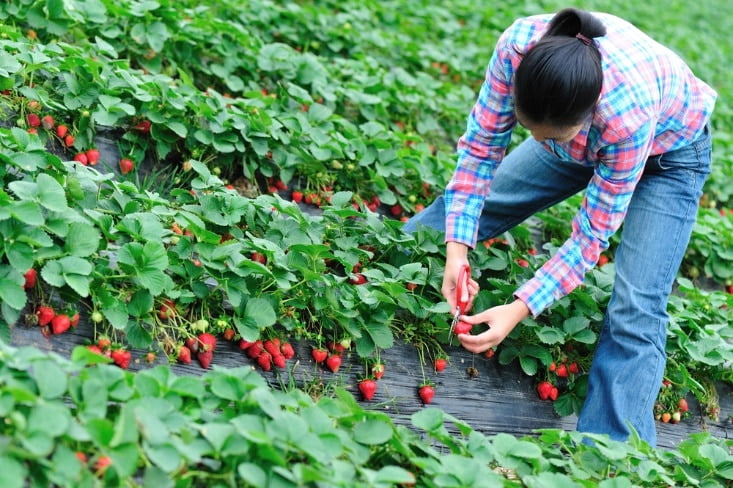
The RHS strawberry guide describes protected growing as a way to bring harvests forward in its UK context. Under cover, manage watering and pollination and keep checking for slugs and other pests. Moving a pot inside does not make it pest-free or guarantee fruit all year.
3. Peaches and nectarines
These are deciduous trees with seasonal requirements, including winter chill that varies by cultivar. A protected structure can be useful, but keeping a tree warm continuously is not a universal fruiting strategy. Ask a nursery to match the cultivar and rootstock to your climate, container size and training plan.
Flowering can occur when few pollinators are active. The RHS peach guide covers protected culture and pollination. Plan enough room for training, pruning and thinning rather than treating an espalier or fan-trained tree as maintenance-free decoration.
4. Grapes and melons
Both can occupy substantial space, but their management is different. A grapevine is a long-term woody planting that needs a suitable variety, support and a pruning plan. A melon is a seasonal crop needing warmth, water and room for its vines and developing fruit.
Melons can remain under cover where the setup suits them; there is no blanket requirement to move them outside after establishment. Choose a manageable variety and provide suitable support if growing vertically. The RHS melon guide explains planting and crop care. Check the variety’s pollination requirements before relying on closed doors or vents.
5. Tomatoes
Botanically a fruit and usually treated as a vegetable crop, tomatoes are a familiar greenhouse option. Choose a growth habit that fits the structure. Tall cordon types need a support and pruning plan; compact types still require enough root space and light.
Monitor ventilation, root-zone moisture and flower set. Growing under cover does not automatically make the crop organic, disease-free or better tasting; variety and management still matter. See the RHS protected-crop guidance for additional seasonal context.
Start with one manageable crop
Choose a crop whose temperature and space needs you can meet without crowding the structure. Record flowering, pollination and harvest results before expanding. Raspberries, blackberries and blueberries may also be grown under protection in suitable systems, but each deserves its own variety, soil and seasonal plan rather than a blanket productivity ranking.