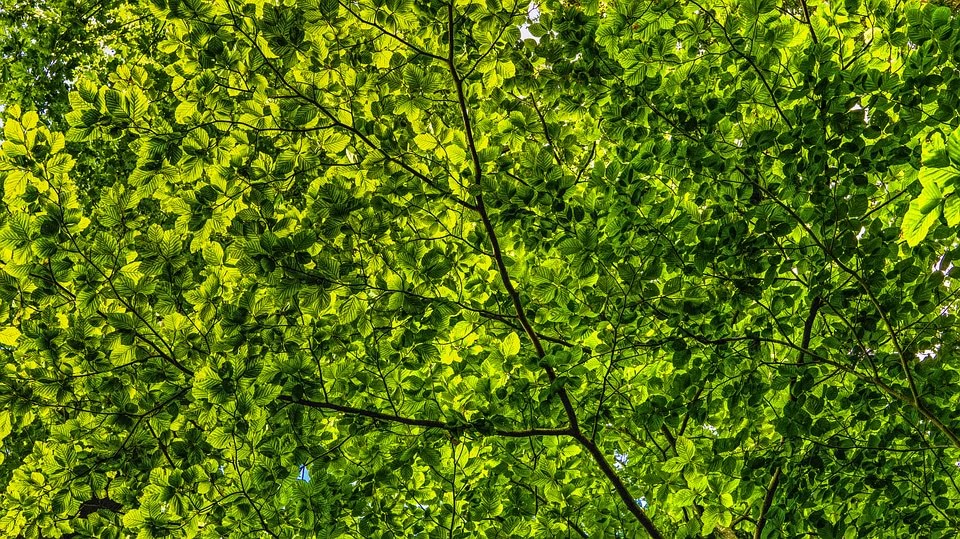
The best shade tree for cooling a home is one that suits the climate and has enough room to reach its mature size. Oak, red maple and paper birch can all provide shade in suitable settings, but none is the best choice for every yard. Choose the species and location together.
Place the shade where it helps
The Department of Energy’s landscaping guide explains how planting can shade buildings and surrounding surfaces. Consider where summer sun reaches your windows and walls, particularly afternoon exposure. A small tree planted in the wrong place may never shade the area you intended.
Plan for the mature canopy and root space, overhead wires, underground services, pavement and solar panels. Ask a local arborist or extension service about suitable setbacks for the selected tree. There is no single distance from a house that works for all species and sites.
Oak: choose the species for your region
“Oak” covers many trees with different sizes, growth rates and soil preferences. A locally suitable oak can offer a substantial canopy, but it needs space and time. Do not choose one on the assumption that every oak reaches maturity in the same number of years.
Before buying, confirm the botanical name, expected mature spread and suitability for your soil. Consider seasonal acorns and leaves when placing it near paths or sitting areas. For a small lot, a large-growing oak may be a poor fit even if it would eventually provide excellent shade.
Red maple: green summer leaves, variable autumn color
Red maple, Acer rubrum, generally has green leaves during the growing season. Its name does not mean the foliage is permanently dark red or purple. NC State Extension’s plant profile describes its characteristics and notes its surface-rooting habit. Mature size and fall color vary with selection and conditions; the species is not limited to 40 feet.
Match the cultivar to the site rather than choosing only from an autumn photograph. Do not treat a maple as automatically safe for climbing or a tree house. Branch condition and structural suitability require a separate assessment.
Paper birch: best considered with local climate advice
Paper birch is valued for its pale bark, but appearance alone should not decide the purchase. Hot, dry or compacted sites can be unsuitable. University of Minnesota Extension identifies heat, drying and poor sites as stresses associated with bronze birch borer problems.
Ask whether paper birch is appropriate locally and whether another tree would cope better with the available soil and summer conditions. A tree that struggles to establish will not become the dependable shade source you wanted.
Think beyond planting day
Allow for establishment care, watering access and future maintenance. Shade develops as a tree grows, so use another suitable shade solution if you need relief immediately. Cooling benefits depend on placement and the building; no tree purchase guarantees a particular reduction in your bill.
Compare locally recommended species by mature size, site tolerance and maintenance needs. The goal is a healthy tree in the right place, with useful shade and room to remain there.