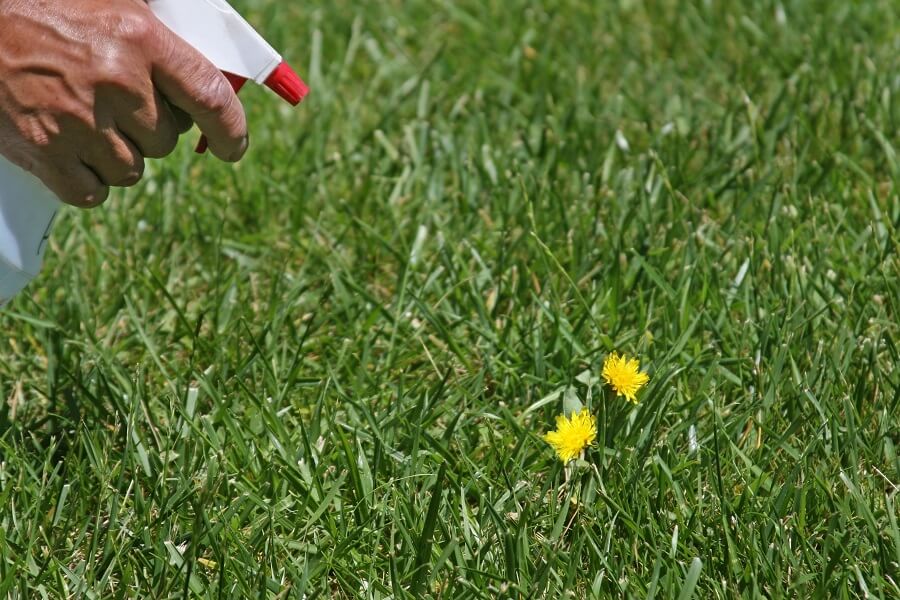
Natural weed control works best when you match the method to the weed and the place it is growing. Pulling seedlings, preventing seed production and maintaining a suitable mulch can be useful. Homemade sprays made from salt, borax or concentrated acids are not automatically safe, and browned leaves do not prove the roots are dead.
Before treating, identify the plant and decide whether it actually needs removal. Annual seedlings and established perennial weeds require different plans. Protect the plants you want to keep and consider where water or spray could travel.
Why homemade weed-killer recipes can disappoint
Vinegar and lemon juice
Acid sprays primarily injure contacted foliage; established weeds may regrow from surviving roots. Kitchen vinegar is not equivalent to a registered herbicide, and a stronger concentration is not a harmless upgrade. Concentrated acetic acid can cause serious injury.
Maryland Extension’s review of vinegar herbicides explains the limitations of contact control. If using a herbicide, select a product labeled for the weed and site and follow all directions. Do not improvise a concentrated-acid recipe or assume lemon juice guarantees root death.
Salt and vinegar-salt mixtures
Do not use table salt or rock salt as a general garden weed treatment. Salt can damage desirable plants and leave an unwanted soil problem. Rain does not make the application predictably harmless, and attempting to wash it below neighboring roots does not control where it goes.
Adding dish detergent does not make a homemade mixture selective. It can also injure desirable foliage. Avoid spraying household combinations around vegetables, lawns and ornamental beds on the assumption that familiar ingredients cannot cause damage.
Borax
Borax is not a suitable general-purpose lawn or garden weed-killer recipe. Iowa State Extension advises against using it for creeping Charlie. The margin between effects on weeds and injury to other plants is not a reliable basis for a home recipe.
Boiling water
Hot water can damage vegetation it contacts, but it is not selective and may not kill established roots. Carrying and pouring boiling water also creates a scalding risk. It is not a good default among valuable plants, exposed roots or busy paths. Do not add salt to increase the effect. A purpose-made hand-weeding tool is often easier to control for a few weeds in paving joints.
Practical methods to use instead
1. Remove small weeds before they seed
Inspect the garden regularly and remove seedlings while they are manageable. Work when the soil is moist enough to release roots without trampling saturated beds. Use a suitable hand tool to loosen roots rather than levering beside valuable plants with an improvised sharp implement.
For perennial weeds, identify the underground structures that allow regrowth. Leaving roots, rhizomes or tubers may mean follow-up work is needed; pulling once is not a universal cure. Avoid spreading viable fragments when moving soil or composting weed material.
2. Keep suitable soil areas covered
Mulch can reduce germination and make new seedlings easier to spot. Remove established problem weeds first, use a material and depth appropriate to the planting, and keep mulch clear of trunks and crowns. Renew it as necessary instead of assuming one application will prevent all weeds.
Paper-based sheet mulching is an option in some settings, but it is not an instant answer for every perennial weed or every soil. Check water movement and the needs of existing plants. UC IPM describes the method and its limitations.
3. Maintain a lawn suited to the site
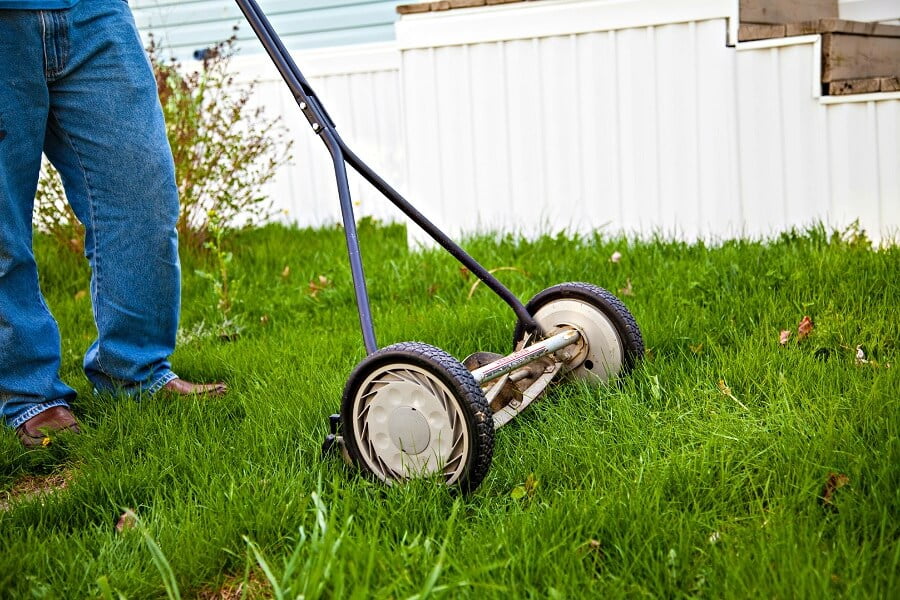
Use the recommended mowing height for the grass species and season. “Longer is always better” and one height for every lawn are both misleading. Avoid scalping, maintain suitable fertility and watering, and address bare areas or shade where the selected turf struggles.
Mowing may reduce seed production in some weeds, but it does not eliminate all low-growing or perennial weeds. Maryland Extension’s lawn-maintenance guide illustrates how mowing and soil conditions fit into a wider plan; adapt regional advice to your local grass.
4. Use edging for a defined job
Edging can separate a lawn from a bed and make maintenance easier, but it does not kill weeds or stop windblown seed. Choose dimensions for the plants you are containing and keep the top safe around feet, tools and mower blades. Inspect it for gaps and growth crossing over or underneath.
5. Plan follow-up for persistent infestations
For a new planting area, a longer preparation period may be more effective than repeated emergency treatments after planting. Identify invasive or difficult weeds and obtain local advice on an appropriate removal plan. Some plants resprout vigorously; others need careful handling or disposal.
Maryland Extension’s nonchemical weed-management guide explains why identification, prevention and repeated monitoring matter. UC IPM’s landscape guidance provides further options.
If a herbicide is needed
Choose by the active ingredient, target weed and labeled site, not just a familiar brand name or the word “natural.” Products sold under one brand can have different ingredients and uses. A lawn product and a nonselective path treatment are not interchangeable.
Follow directions for application, protective equipment, weather, nearby plants, re-entry and disposal. Do not add household ingredients unless the label specifically directs it. Keep a record of what was treated and inspect for regrowth before deciding on another application.