Gardening stays interesting for children when they have something small to choose, do and notice. A short watering job or a seed that changes over a week can be more rewarding than a long afternoon of adult chores. Try these eight activities and adjust them to your child’s age and interests.
1. Look for visitors
Choose a small observation spot and count the insects or birds you see. Sketch a visitor, compare it with a field guide, or return at a different time of day. Watch without handling unfamiliar animals or disturbing nests. Locally suitable native plants can be a starting point for a wildlife-friendly area; select them for your region rather than assuming any vigorous plant is a good addition.
2. Keep a picture diary
Let your child draw the same plant every few days or take a photograph from the same position. Add the date and a simple observation: a new leaf, an open flower or a visiting bee. There is no need for perfect spelling or polished pictures. Ask before sharing photographs that include your child or identifying details.
3. Give them a manageable patch
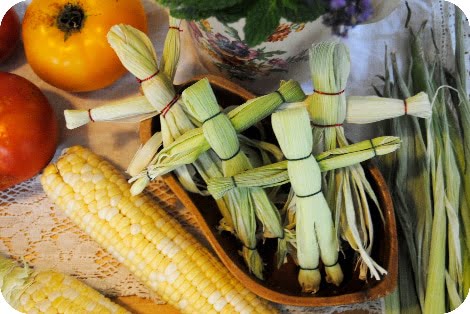
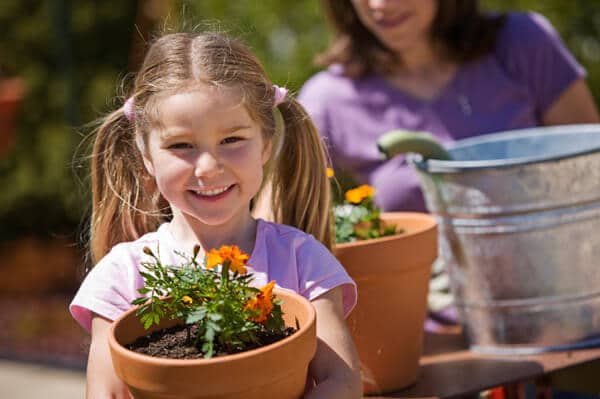
A small pot or marked corner is enough. Offer a choice between two or three suitable plants so the decision remains manageable. Use a stable container with drainage and let children make a label. Grass-head growing projects can also show visible change, but adults should prepare awkward containers and avoid sharp or breakable pieces around younger children.

4. Make room for play
Set aside a supervised place for digging, pretend cooking or arranging sticks and stones. Keep it separate from tools, compost materials and plants that should not be handled. A garden need not become a lesson at every moment. If a child loses interest, finish with a small observation and come back another day.
5. Grow something you can harvest together
Choose a crop suited to the season, space and child’s preferences. Adults should identify what is edible and supervise harvesting; looking like a familiar berry or leaf is not enough. Wash produce appropriately and hands after gardening. Include a simple cooking or tasting activity so the harvest has a purpose beyond filling a basket.
6. Offer one clear task
“Water this pot with one small can, then we will check it” is easier to follow than “help with the garden.” Other jobs include counting seedlings, collecting fallen leaves or placing labels. Adults should handle heavy planting, sharp tools and chemicals. Children should not be asked to support a heavy tree or stand under an unstable load.

7. Use equipment they can control
A small watering can, well-fitting gloves and suitable hand tools make participation easier. Fill the can only as much as the child can carry. Demonstrate how to set tools down safely and keep tools out of walkways. KidsGardening’s safety guidance is useful when setting up activities, including plant selection, supervision and hygiene.
8. Turn sowing into a shared experiment
Compare two clearly labeled pots or follow the growth of one large, easy-to-handle seed. Read the seed packet together for sowing depth and timing. Seed tape can simplify spacing, but choose a crop that suits the conditions rather than a novelty name alone. Record what happens without describing an unsuccessful seed as a failure by the child.
Keep the routine flexible
Have water for handwashing, drinking water and suitable sun protection available. Finish while the activity is still manageable, and praise the specific effort: noticing dry soil, remembering a label or handling a seedling gently. KidsGardening’s harvesting ideas offer ways to connect growing with an enjoyable final activity. Repeating one favorite task is as worthwhile as introducing a new project every week.