A small open wooden tote can give a child a place to carry a few lightweight garden tools. Treat this as an adult-built project that a child can help decorate and organize. Sawing, drilling, fastening and checking the finished construction belong to an adult with suitable tools and experience.
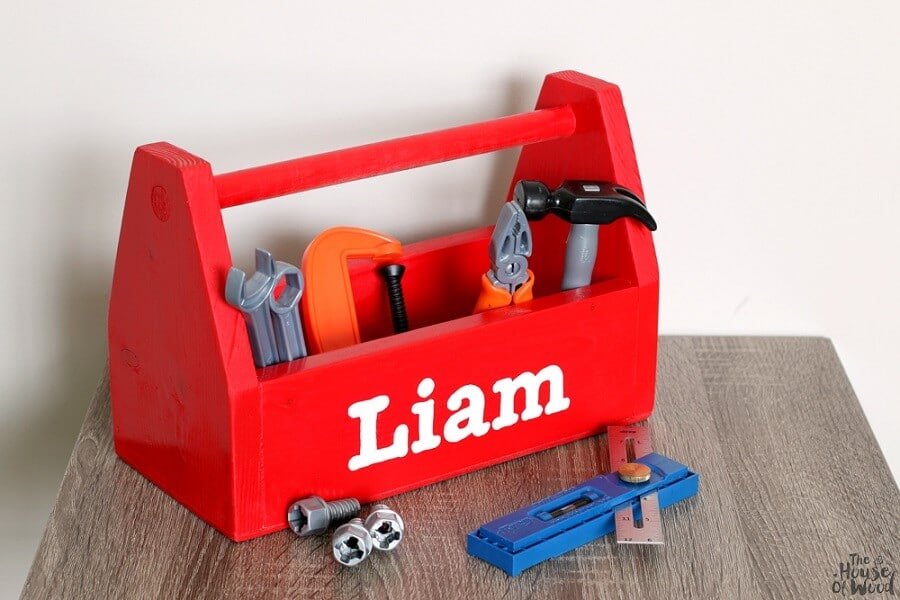
The example below uses a simple rectangular box with taller end boards and a dowel handle. Measure the actual timber before cutting: nominal board sizes and finished dimensions differ. If you want a no-cut activity, decorate a ready-made wooden tote instead.
Plan the size and materials
For the example layout, use two side pieces with actual dimensions 3/4 inch thick, 3 1/2 inches high and 10 1/2 inches long. Use two end pieces 3/4 inch thick, 5 1/2 inches wide and 8 inches high. The end pieces cap the ends of the side pieces, giving an outside footprint of 12 by 5 1/2 inches.
A 1/4-inch-thick base measuring 12 by 5 1/2 inches fits beneath that footprint. A 3/4-inch-diameter dowel about 12 inches long can form the handle through aligned holes in the end boards. These dimensions describe the layout, not a tested load rating. Dry-fit the actual pieces and adjust for your materials before assembly.
Choose sound, smooth material without splinters or unknown treatments. The adult builder needs an appropriate saw, drill, clamps, measuring tools, sanding materials, wood adhesive and suitable fasteners for the chosen construction. Follow the tool and adhesive instructions and use appropriate protective equipment. Keep the child outside the work area while powered tools are used.
Prepare the pieces before assembly
An adult should measure and mark each piece, cut it and smooth the edges. Check that the two ends match and that the side pieces fit between them without forcing the box out of square. Rounded or eased exposed edges are more comfortable than sharp corners.
Mark handle holes at the same height and centered across each end piece, leaving enough wood around the holes. Test the dowel fit before assembling the box. The handle must clear the top of the low sides and allow a comfortable grip; check that relationship with the actual pieces rather than guessing from a photograph.
Assemble and inspect the tote
Dry-fit the sides, ends and base first. The adult should use an appropriate combination of adhesive and mechanical fastening for the material, with pilot holes where needed to reduce splitting. Keep fasteners from projecting into the carrying space or through the outside faces. Attach the handle securely according to the construction method chosen.
Allow adhesive and any finish to cure as directed. Inspect every joint, edge and fastener. Check the handle and base under a modest intended load before giving the tote to a child. If the builder is unsure whether the assembly is secure, use a suitable ready-made tote instead.
Let the child personalize the finished box
Once the construction is safe to handle, choose an age-appropriate decorating activity: painting a name, adding plant drawings or arranging large stickers. Follow the finish manufacturer’s age, ventilation and curing directions. Keep small decorative parts away from children who may mouth them.
A child’s participation can also include choosing where each tool belongs and making a simple picture label. That is a useful part of the project even when the adult does all cutting and assembly.
Fill it with a small, manageable garden kit
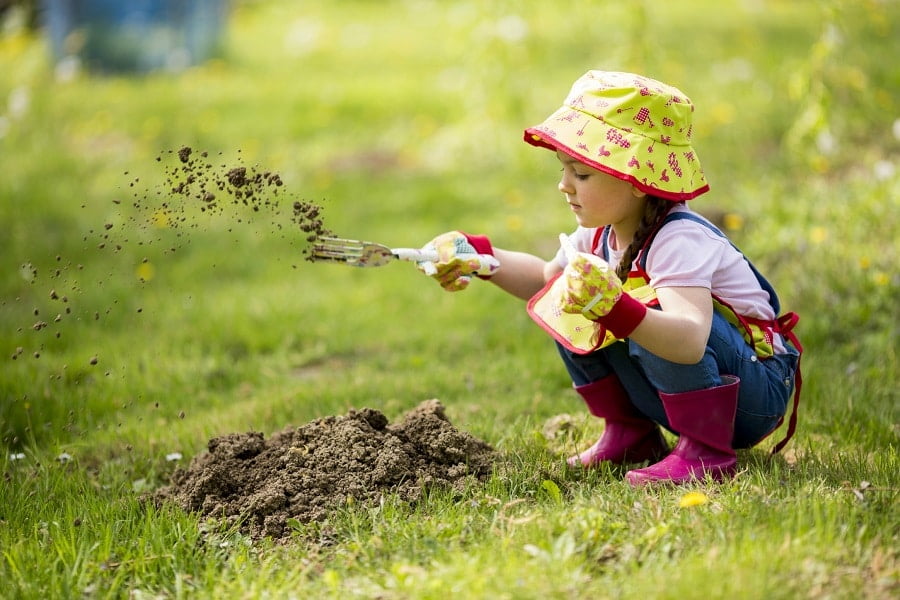
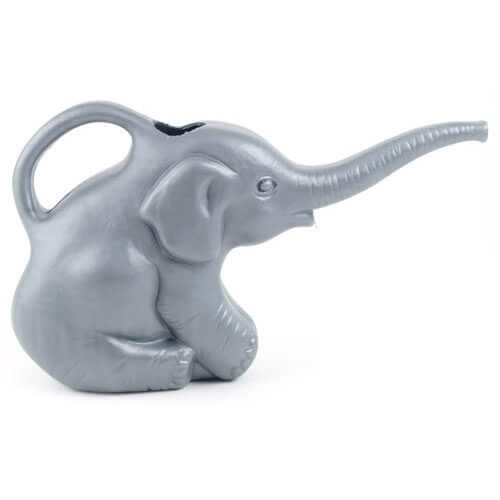
Start with a child-sized trowel, a small hand rake and a light watering container. Gloves, an apron, a kneeling pad and a plant label or notebook can support different activities, but they do not all need to travel in the tote. Choose smooth, age-appropriate tools and keep sharp adult implements stored separately.
Keep the load light and supervise use. Give the child a designated patch or container rather than encouraging random digging around roots or buried services. Check the garden area first, wash hands afterward and clean and dry the tools before storage.
Maintain it and choose the next project
Inspect the handle, base and joints before use, especially after the tote has been dropped or left damp. Stop using it if wood splits, a fastener loosens or the handle moves. It is a carrying box, not a seat or step.
For a shorter activity that needs less woodworking, see these seven garden projects for kids. Pick the project around the child’s abilities and available adult supervision, rather than treating every task as suitable for every age.