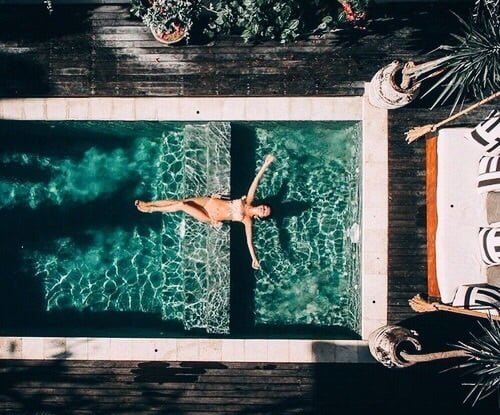
Installing a swimming pool starts with a site and safety plan, then a choice of pool. Decide who will use it, how much space you have, and who will maintain the water. Include site preparation, barriers, electrical work and ongoing care in the budget before comparing pool packages.
Choose the right type of backyard pool
Small fill-and-drain pools
A small plastic or inflatable kiddie pool is a temporary option, but shallow water still presents a drowning risk. The CDC distinguishes these pools from larger filtered pools: empty small kiddie pools at least daily, remove debris, rinse and let them dry. Do not improvise chlorine or bromine doses in these small pools. Store them so they cannot collect rainwater when unused.
Above-ground pools
Above-ground models include inflatable-ring, framed and rigid-wall designs. They come in more than one shape, and their installation needs vary. Check the exact manual for the required base, clearance, access and maintenance equipment. A low advertised price may exclude a suitable filter, ladder, site work or barriers.
Larger inflatable and plastic pools require filtration and disinfection according to the manufacturer’s instructions. A circulation pump is part of that system, not simply an optional comfort accessory. Heating may be optional; water treatment is a separate requirement.
In-ground and natural swimming pools
Conventional in-ground pools are permanent construction projects. A natural swimming pool is a different, specialist design that uses a biological water-treatment system. Digging a hole, lining it with concrete and adding water does not create a working natural pool. Do not assume a plant-filtered design is maintenance-free or automatically safe to swim in.
Ask a qualified designer how the proposed system will manage water quality, circulation, access and local approval. Compare it with a conventional pool on the same basis: installed cost, usable swimming area, cleaning, seasonal care and service availability. Neither a particular construction material nor the word “natural” determines a pool’s depth.
Stock-tank pools
A livestock tank is not a complete swimming-pool system. Before converting one, have a qualified pool professional assess the tank, support, filtration, electrical installation, suction fittings and access controls. Do not add improvised suction outlets or assume that a tank can safely be buried. The site must support the filled tank and its users.
For ideas about scale and layout, see our small swimming pool guide. Treat photographs as design inspiration, not construction specifications.
Check the site before buying
Measure the proposed pool and the working space around it. Include room for equipment, access for repairs, gates and any required setbacks. Note slopes, overhead lines, drainage and underground utilities. Arrange utility locating before excavation and ask the installer how they will manage spoil, drainage and equipment access.
Confirm permit, barrier and electrical requirements with the local authority for your specific pool. A portable or above-ground label does not establish an exemption. If you rent or belong to a homeowners association, check those permissions too. Obtain written details before placing a non-refundable order.
Make safety part of the installation
CPSC’s Pool Safely guidance emphasizes close supervision and multiple layers of protection. Plan barriers and controlled access before the first fill. Keep young children within close reach, designate an attentive adult water watcher, and learn CPR. Toys and floats do not replace supervision.
Keep swimmers away from drains and suction outlets. Do not use a pool with a loose, broken or missing drain cover. Ask the installer to explain the installed anti-entrapment provisions and maintenance requirements. A decorative privacy screen is not necessarily a compliant safety barrier; consider both separately when planning backyard privacy.
Have electrical work completed by a qualified professional under the applicable rules. Keep electrical equipment and cords away from the swimming area except for equipment specifically designed and installed for that use. Do not treat a general DIY video as approval for a wiring or suction-system design.
Compare complete written quotes
Ask each supplier to separate the pool shell or kit from delivery, ground preparation, installation, plumbing, electrical work, barriers, permits and restoration of the yard. Check who handles inspections and whether the warranty covers installation as well as components.
For online purchases, verify the exact model, dimensions, included equipment, replacement parts and return terms. Retail availability and prices change. Choose by the current specification and installer support rather than an old price list or the retailer’s name alone.
Plan for maintenance before the first swim
Set aside time and money for water testing, treatment, cleaning, energy, replacement parts and seasonal closing where needed. Ask for a start-up demonstration and written operating instructions. Our pool cleaning guide can help you plan routine tasks, alongside the manual for your actual system.
If buying a house with an existing pool, arrange a pool inspection and obtain service records. Check equipment condition, leaks, barriers and likely repair costs. An existing pool is not automatically a saving. The right choice is one you can install, secure and maintain properly throughout its life.