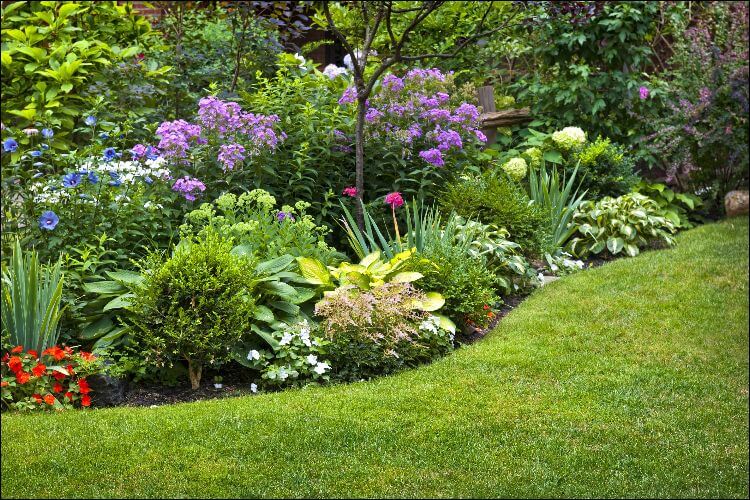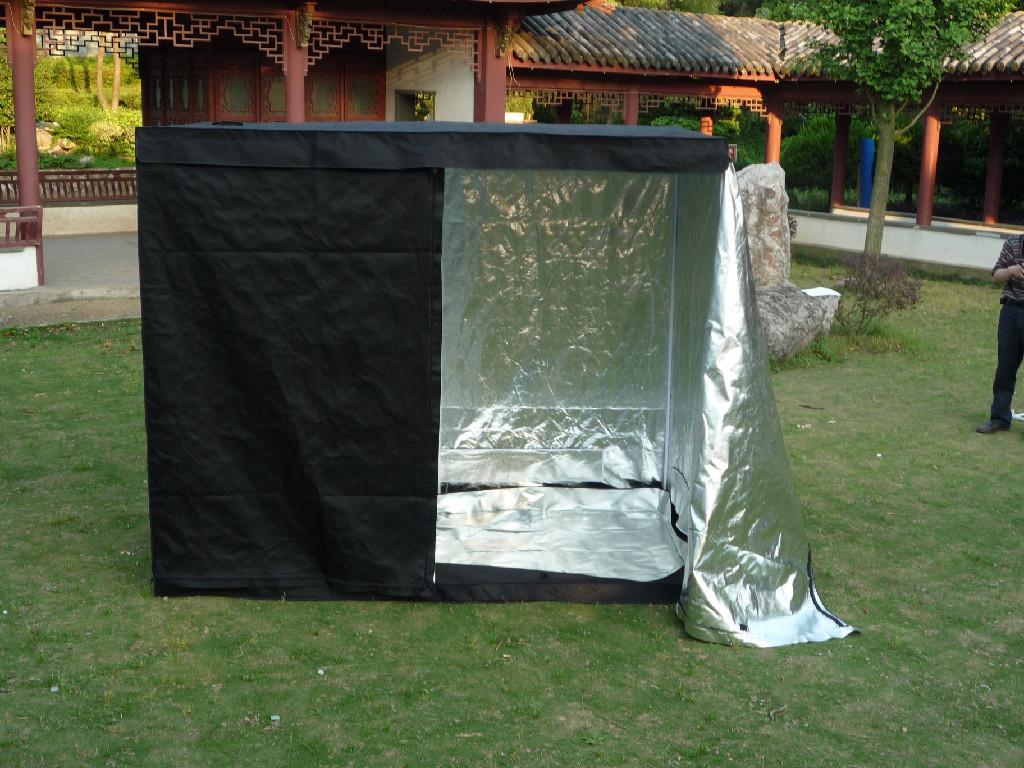
Before a freeze, move tender container plants to suitable shelter and cover vulnerable plants in the ground with properly secured frost fabric. Check soil moisture, protect the root zone and monitor the forecast. These steps can reduce damage during some cold events, but they cannot make a tropical plant hardy or guarantee survival through a prolonged hard freeze.
Decide which plants need help first
Identify the plants rather than dividing the garden into “annuals die” and “perennials survive.” Hardiness depends on species, cultivar, growth stage and weather. A dormant hardy shrub may be fine while its newly opened flowers are damaged. Tender plants can also suffer chilling injury above freezing.
Prioritize recently purchased tender plants, exposed containers and vulnerable new growth. For plants already hardy in your area, routine winter protection may involve the roots, moisture or wind exposure rather than covering every branch.
Use local forecasts and a thermometer near the garden. Low areas can collect cold air, and plant surfaces may become colder than the reported air temperature on clear nights. Prepare before dusk instead of waiting until leaves are visibly frosted.
Move containers to appropriate shelter
Bring frost-tender pots into a space that remains warm enough for the species. An unheated shed or garage is only useful if its actual temperature is suitable. For a longer indoor stay, provide adequate light and check for insects before bringing plants among houseplants.
For hardy pots remaining outdoors, group them in a sheltered location and protect the containers as appropriate. Roots in a pot are more exposed than roots in the ground. Keep drainage open and do not wrap a pot in a way that traps standing water.
Cover plants to retain ground heat
Use horticultural frost fabric rated for the conditions you expect. Support it over fragile plants with hoops or stakes, extend the cover to the ground and secure its edges. A cover tied around foliage while leaving the soil exposed captures much less ground heat.
A sheet can provide temporary help, but becomes heavy when wet. Keep plastic from resting directly on foliage; a supported plastic enclosure also needs careful ventilation. Covering effectiveness varies with material, wind, soil warmth and the duration of the cold. UGA Extension’s freeze-protection guidance explains the role of a supported cover in trapping ground heat.
Use cloches and cold frames with ventilation

A cloche protects an individual plant; a cold frame or low tunnel covers a larger group. Close it before temperatures fall, then check conditions during the following day. Sunshine can rapidly overheat a closed enclosure even when the outside air feels cool.
Choose a cover you can open, secure and inspect easily. Allow space for growth so leaves do not press against cold surfaces. The University of Minnesota’s season-extension guide compares covers and protected growing structures. None eliminates the need to monitor temperature.
Check water and mulch before the cold arrives
If soil is dry, water the root zone while conditions permit. Moist soil stores heat differently from very dry soil, and drought-stressed plants face additional stress. Do not saturate already wet ground or assume watering makes the foliage freeze-proof.
Maintain an appropriate mulch layer over the root area, keeping it away from trunks and vulnerable crowns. Mulch helps moderate soil-temperature changes; it does not protect every leaf or flower from cold air. A few water-filled jugs under a cover provide limited thermal mass, not a dependable heating system for a severe freeze.
Use long-term protection for the right problem
A sheltered planting position and a locally suitable species reduce repeated emergency work. Wind barriers may help exposed evergreens, while properly selected trunk guards address problems such as sunscald or animal injury. Wrapping a trunk does not protect a fruit tree’s entire flowering canopy.
Minnesota Extension’s winter tree and shrub advice distinguishes these problems. Choose the measure that matches the damage you are trying to prevent.
Avoid unreliable or hazardous shortcuts
- Do not light garden fires or smoldering piles to create a supposed protective smoke blanket.
- Do not rely on decorative LED lights as a source of useful frost protection, or improvise electrical heating inside wet covers.
- Do not assume an antitranspirant spray prevents freezing.
- Do not casually run sprinklers over plants during a freeze. Commercial frost irrigation depends on carefully controlled conditions and continuous water delivery; an unsuitable home setup can worsen injury.
- Do not confuse hardening off with frost hardiness. Acclimating tomato seedlings to outdoor conditions does not make them safe in freezing weather.
What to do after a freeze
Ventilate or remove covers as conditions allow, and check moisture before watering again. Wait to judge woody damage until growth and the end of the local freeze risk make the affected portions clearer. Avoid immediately pruning away everything that looks brown or feeding heavily to force new growth.
Record which plants and positions were damaged. The RHS frost-damage guide offers further prevention and aftercare advice. If the same tender planting needs rescue every winter, relocating it or choosing a better-adapted plant may be the more dependable solution.
Image source: depositphotos.com.