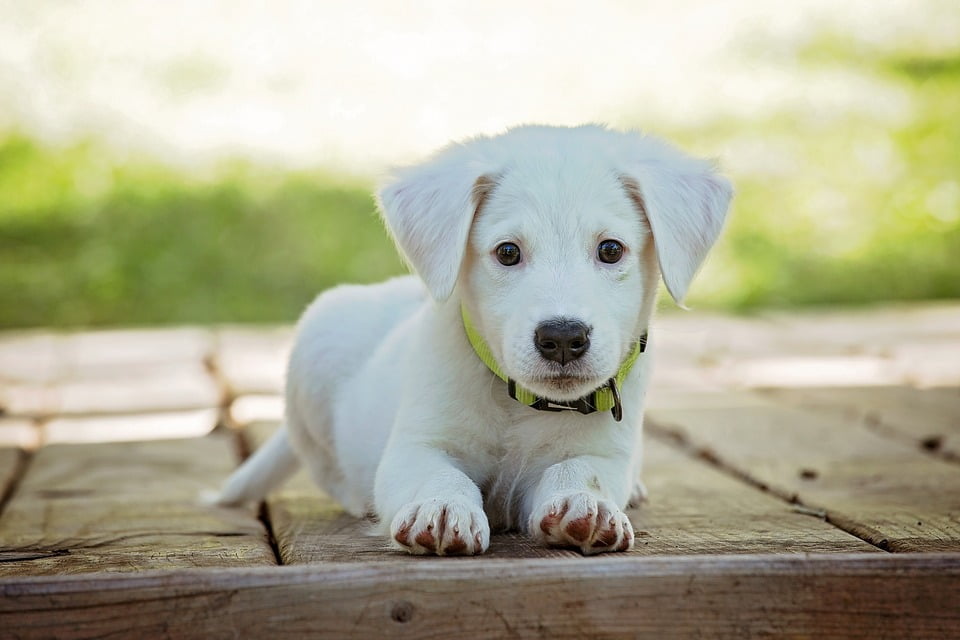
Keep dogs out of flower beds with a safe boundary, supervision and a rewarding alternative place to walk, rest or dig. A fence suited to the individual dog is usually a clearer starting point than sprinkling strong-smelling substances on the soil. Raised beds and dense plants alone do not guarantee exclusion.
Identify the behavior before changing the garden. A dog taking a shortcut needs a route; a dog digging for entertainment needs an outlet; a dog resting on cool soil may need a comfortable shaded area. Several causes can occur together.
Make the boundary safe and visible
Choose a barrier appropriate to the dog’s size, jumping and digging behavior. Check gates, gaps, sharp edges and loose wire. Keep paths wide enough for ordinary movement and position the boundary so maintaining the plants does not require repeatedly leaving it open.
Do not use thorns, pointed stakes or exposed wire to make entry painful. A low decorative border may show a trained dog where the bed begins but may not restrain a puppy or determined digger. Supervise until you know how the dog responds.
Teach the route you want the dog to use
Lead your dog along the permitted path and reward calm movement or resting in the desired place. Keep sessions short and consistent, and prevent repeated unsupervised access to the bed while learning. A reward-based trainer can help if the behavior is persistent or difficult to manage.
Do not rely on startling sprinklers or punishment to teach a boundary. A frightened dog may avoid the person or the garden without understanding the intended route. For an unfamiliar visiting dog, contact its owner or local animal services instead of trying to train or confront it yourself.
Offer an appropriate digging or resting area
If digging is the issue, a designated area with suitable clean material may help redirect the behavior. Supervise introductions and use safe toys or rewards appropriate to the dog. Keep the area away from buried services and check for hazards before encouraging digging.
Provide suitable exercise, mental activity, water and a comfortable resting place. These support management but do not guarantee that every dog will stop digging. Sudden, repetitive or distressed behavior deserves a discussion with a veterinarian or qualified behavior professional.
Skip coffee grounds and irritating scent mixtures
Do not scatter coffee grounds where a dog may eat them. ASPCA’s food-safety guidance identifies coffee and caffeine as pet hazards. Chili, essential oils and strong vinegar mixtures are also poor substitutes for managing access and may irritate an animal or damage plants.
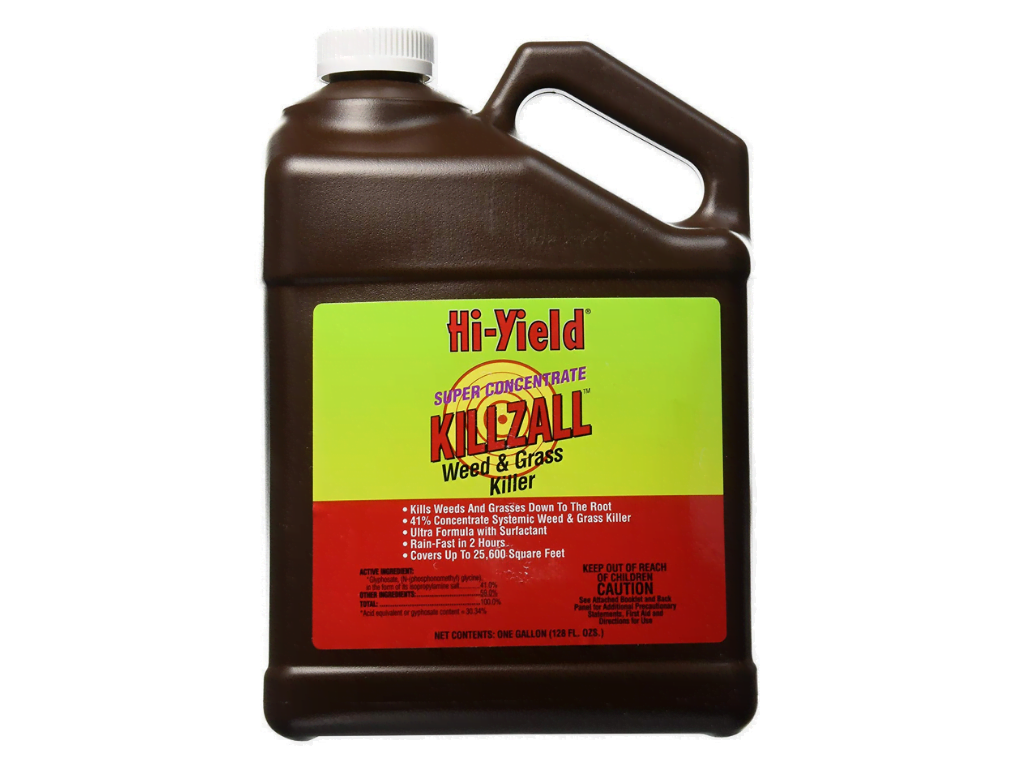
A plant described as deer-resistant is not automatically dog-repellent or pet-safe. Check the identity and suitability of plants separately. Store fertilizers, pesticides and compost where the dog cannot investigate or eat them, and follow all product access restrictions.
Check what happens when supervision ends
Watch whether the dog pushes beneath a barrier, jumps from an adjacent object or simply finds another unprotected corner. Repair that access problem without adding hazards. Inspect a designated digging area and the planted bed regularly.
If the problem involves cats as well, use the separate cat flower-bed guide. Species and behavior matter; the same scent or fence should not be promised to solve every animal visit.