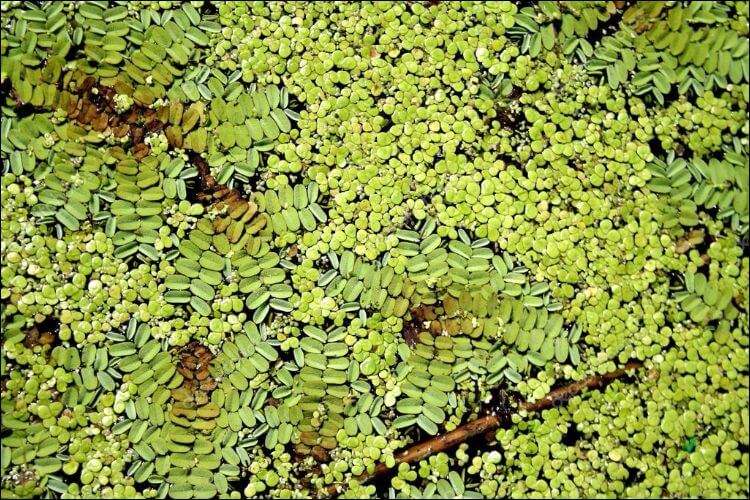
Duckweed is a group of small floating aquatic plants that can multiply rapidly in suitable water. For a backyard trial, use a contained vessel you can inspect and manage, identify the species and keep it out of natural waterways. It is not a dependable mosquito-control method, a lawn weed treatment or an automatically safe animal feed.

Identify the plant and the purpose
Duckweeds are not all one species, and a green film on a pond is not necessarily duckweed. Obtain identified stock from a reputable source and check local restrictions before acquiring or transporting it. Avoid collecting from a pond where ownership, contamination and species identity are uncertain.
Decide whether you want a small observation culture, aquarium plant or a carefully managed production trial. These have different requirements. Start separately from a valuable pond or fish tank so a failed experiment does not affect an established system.
Choose a manageable container
Use a stable, watertight container that has not held harmful chemicals. A broad surface provides room for floating plants; clear sides are optional. Choose a size you can clean, move if necessary and keep secure from children and pets. There is no need to dig a three-foot-deep, steep-sided ditch for a small trial.
Place it where rain, overflow or accidental tipping cannot carry plants into drains or watercourses. Outdoor tubs still present a water hazard and need appropriate access controls. If you want a permanent pond, address pond design, barriers, drainage and local requirements as a separate project.
Prepare the water and stock
Use a known water source appropriate for the culture. If disinfectants in tap water require treatment, follow an aquatic product’s directions and account for chloramine as well as chlorine. Letting water stand does not reliably remove every disinfectant. Rainwater and well water are not automatically contaminant-free.
Introduce a modest quantity with room to spread rather than piling plants into a thick mat. Rinsing wild material does not prove it is free from pollutants, pests or pathogens. Keep tools dedicated to the culture where possible and inspect new stock before adding it.
Manage light, temperature and nutrients
Follow growing guidance for the identified species and source. Observe whether the chosen position overheats, receives too little light or exposes the plants to strong wind. Indoor cultures need appropriate light as well as water; outdoor ones may need protection from extremes.
Use a suitable aquatic growing system and its specified nutrient product if nutrients are needed. Do not improvise with lawn fertilizer, household ammonia, greywater, chicken-coop runoff or manure tea. Such mixtures can introduce contamination and create unpredictable water conditions, especially if animals are present.
Keep notes on water changes, nutrient additions and plant response. If growth declines, inspect light, temperature, crowding and water quality before adding more fertilizer. pH changes in aquatic systems are complex; algae do not simply raise pH at night by producing carbon dioxide.
Keep the surface from becoming overcrowded

Check the culture regularly and remove excess growth and decaying material. Harvest amounts should follow the culture’s actual growth, not a universal pounds-per-square-meter daily rule. Leave healthy plants and enough open space to observe the water and manage the system.
A dense floating cover can shade submerged plants and reduce oxygen conditions, particularly when vegetation decays. Do not add duckweed to a fish pond on the assumption that it always improves water quality. Avoid forceful shaking or stirring that piles plants up or damages an established aquarium system.
For comparison with other forms of soilless growing, see our guide to propagation and long-term water culture. Rooting a houseplant cutting and maintaining floating aquatic plants are different tasks.
Control mosquitoes separately
Do not rely on a duckweed blanket to stop mosquito breeding. Check water-holding containers regularly. The CDC recommends weekly emptying and scrubbing of suitable containers to remove eggs and larvae. If maintaining permanent water, get local mosquito-control advice and use only measures appropriate to the water’s intended use.
If you cannot keep the setup maintained, end the trial rather than leaving an unattended tub of water outdoors. Do not pour plants or contaminated culture water into a storm drain, stream or pond when cleaning up.
Harvesting does not establish feed safety
Lift excess plants with a clean fine-mesh tool, letting water drain back into the vessel. What happens next depends on their intended use. Material grown in unknown or polluted water should not be fed to animals or eaten by people simply because it has been rinsed.
If animal feed is the goal, obtain species-specific veterinary or agricultural advice about contamination, nutritional balance and permitted feed ingredients. Duckweed is not a complete diet, and a claimed protein percentage does not establish the composition of your crop. Wastewater-treatment research is not a home feeding recipe.
Troubleshoot and dispose responsibly
Pale or deteriorating plants warrant investigation of temperature, light, nutrients and water quality. Remove decaying material, check the identified species’ requirements and change one factor at a time. Do not move a failing culture into a natural pond to see whether it recovers.
Keep removed plants contained and follow local disposal guidance so they cannot return to water. Clean equipment before using it elsewhere. The most useful first trial is a small, observable system with a clear maintenance and disposal plan.