If you want more worms in a cultivated garden, improve the soil conditions for organisms already present rather than buying bait worms and releasing them. Earthworms can help mix organic matter and create channels in some soils, but their value depends on the species and ecosystem. More worms is not always a better outcome.
Do not introduce purchased worms outdoors
Worms sold for fishing or composting are not necessarily suitable for your garden. Common names can cover different species, and moving worms or soil can spread invasive organisms.
University of Minnesota Extension’s jumping-worm guidance advises against releasing worms into the environment. Its earthworm overview explains why introduced worms can harm northern forest ecosystems. Do not apply a garden recommendation to nearby woodland.
Improve the cultivated soil
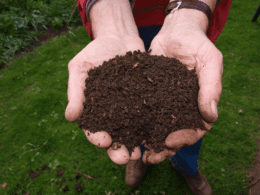
Use a soil test and observe drainage, compaction and plant growth. Add mature compost where appropriate, protect the surface with suitable mulch and avoid unnecessary disturbance. Keep foot traffic on paths instead of repeatedly compacting growing beds.
Minnesota Extension’s soil-health guidance puts these practices in context. They support a broader soil community rather than guaranteeing a particular worm population. Our composting guide explains how to prepare ordinary plant-based material.

Image Source: Pixabay
Maintain moisture appropriate to the plants and site, but do not waterlog the bed to attract worms. Apply amendments for an identified need rather than continually adding compost until worms appear.
Interpret what you find cautiously
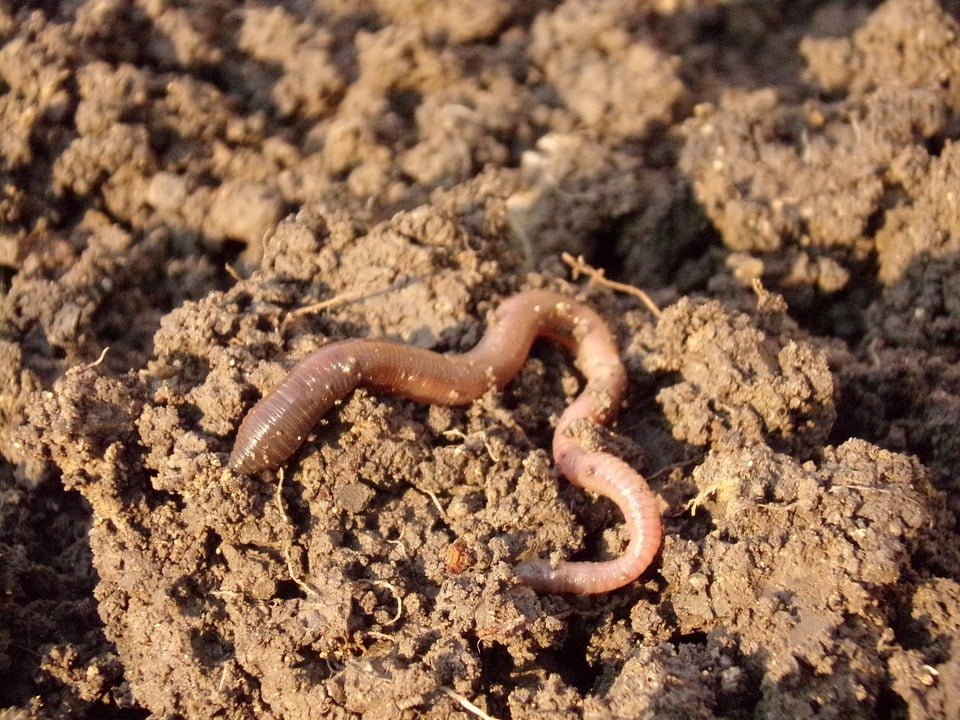
A few worms in one shovel of soil do not tell the whole story. Season, temperature, moisture, soil type and where you sample affect what you see. A temporary lack of surface worms is not proof that the garden is unhealthy or that the worms have permanently left.
Likewise, worms do not sterilize soil or reliably remove every organism that can cause plant disease. Castings are part of nutrient cycling, not a universal replacement for soil testing or plant nutrition.
Watch for invasive jumping worms
If worms behave unusually or the soil surface has changed markedly, use a regional identification guide and obtain local advice. Do not move suspect plants, mulch or soil to another garden while investigating. Appearance and behavior need to be considered together; a photograph or sample may help an expert identify them.
Keep worm composting separate
A managed worm bin is a different system from stocking garden soil. Follow species-specific containment and disposal guidance, including how to avoid releasing worms or cocoons with material from the bin. University of Minnesota’s vermicomposting guidance discusses that distinction.
The practical goal is productive, well-managed soil—not the largest possible worm count.