Managing garden mice starts with identifying the animal, removing easy food and shelter, and protecting the places where damage is occurring. No planting scheme or one-time treatment can promise a garden that stays mouse-free forever. Outdoor wildlife can return when conditions become attractive again.
Confirm what is causing the damage
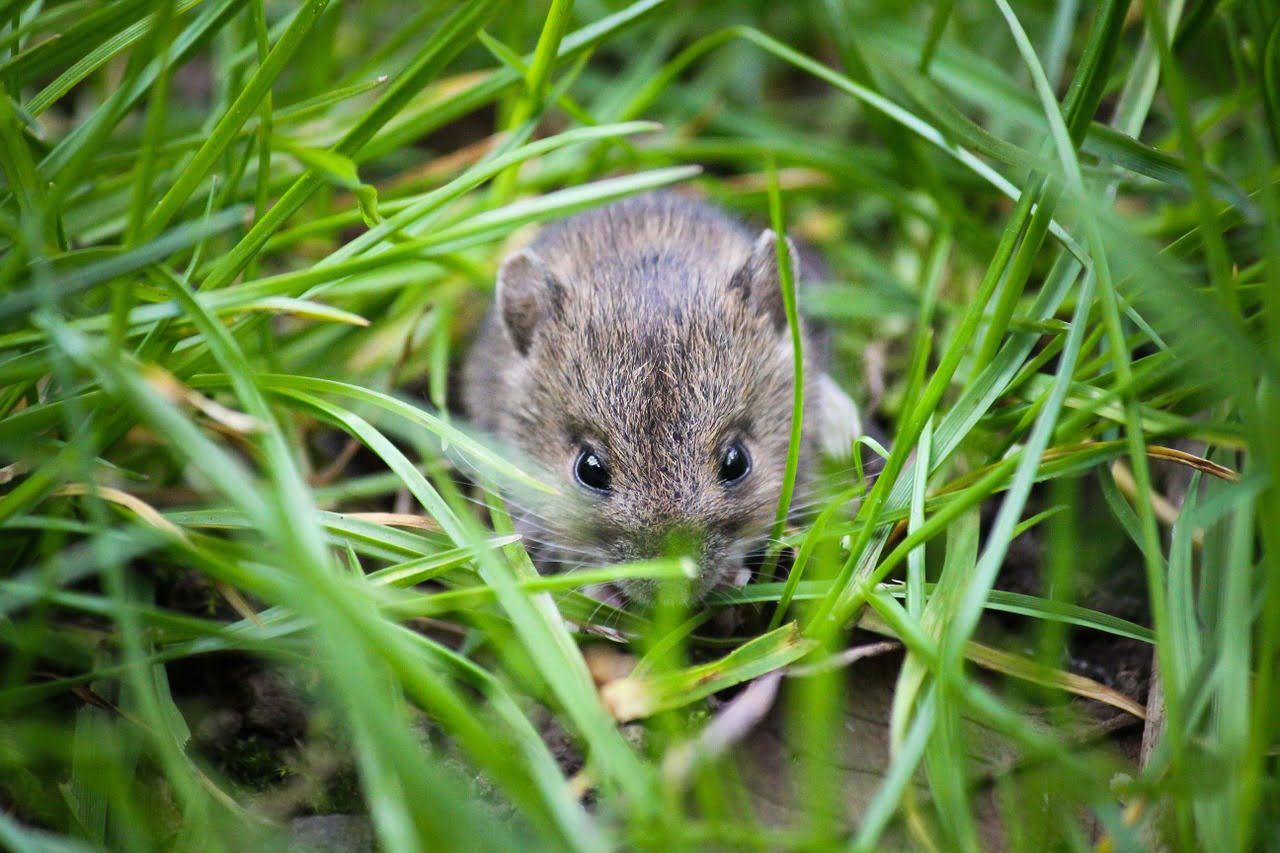
Look for repeated signs near the affected plants, seed storage or shed. Chewed produce alone does not prove mice are responsible; voles, rats, birds and other animals can cause garden damage. Photograph tracks or damage and ask a local extension service or pest professional when identification is uncertain. Correct identification matters before choosing traps or changing habitat.
Reduce food and hiding places
Collect fallen fruit and spilled birdseed, secure pet food and garden seed in durable closed containers, and keep rubbish covered. Avoid leaving food scraps exposed in an open compost pile. Move unnecessary clutter away from sheds and check dense growth beside structures for sheltered entry routes.
Focus these changes on problem areas rather than stripping the entire garden of habitat. A tidy storage corner and protected food supply are more useful than repeatedly disturbing beds without knowing where the animals are feeding. EPA’s rodent prevention guidance emphasizes food, water, shelter and access.
Protect crops and structures
Inspect shed doors, vents and gaps around services. Use durable rodent-resistant repairs appropriate to the opening, while maintaining required ventilation. Crop covers or mesh barriers must be suited to the animal and secured without leaving easy gaps. Check regularly for damage and for animals accidentally enclosed inside; an unattended barrier can create a different problem.
Use control methods carefully
If trapping is necessary, select a trap for the identified rodent and follow its instructions. Keep it inaccessible to children, pets and non-target wildlife. An enclosure can help restrict access but should not be assumed pet-proof simply because it surrounds a trap. Check traps frequently and follow local requirements.
The CDC recommends snap traps for household rodent control and advises against glue and live traps. Outdoor placement adds wildlife concerns; obtain local professional advice if you cannot place traps selectively. Do not make homemade poison or scatter bait. Any rodenticide must be used strictly according to its label, including approved locations and bait-station requirements.
Skip unreliable deterrents and clean safely
Do not rely on lavender, mint, dill, soap or a roaming dog to keep mice out. These do not replace exclusion and food management. Pets should not be encouraged to catch rodents.
When cleaning droppings in a shed or other enclosed area, follow CDC cleanup guidance: ventilate as advised, wear gloves and wet contamination with the recommended disinfectant before removal. Do not sweep or vacuum dry droppings. Seek professional help for heavy contamination or an infestation you cannot control safely.
Recheck the original damage and entry points after making changes. Continuing signs call for reassessment, not an ever-growing list of scented remedies.