Protecting a yard works best when you address the cause of the damage and give your dog suitable places to play, dig and toilet. Start by separating three problems: digging, repeated foot traffic and urine spots. Each needs a different response.
Find out why your dog digs
Dogs may dig for entertainment, to reach prey, to escape or to find a cooler resting place. Notice where and when it happens. Holes along a fence suggest a different problem from a hollow in a shaded resting spot.

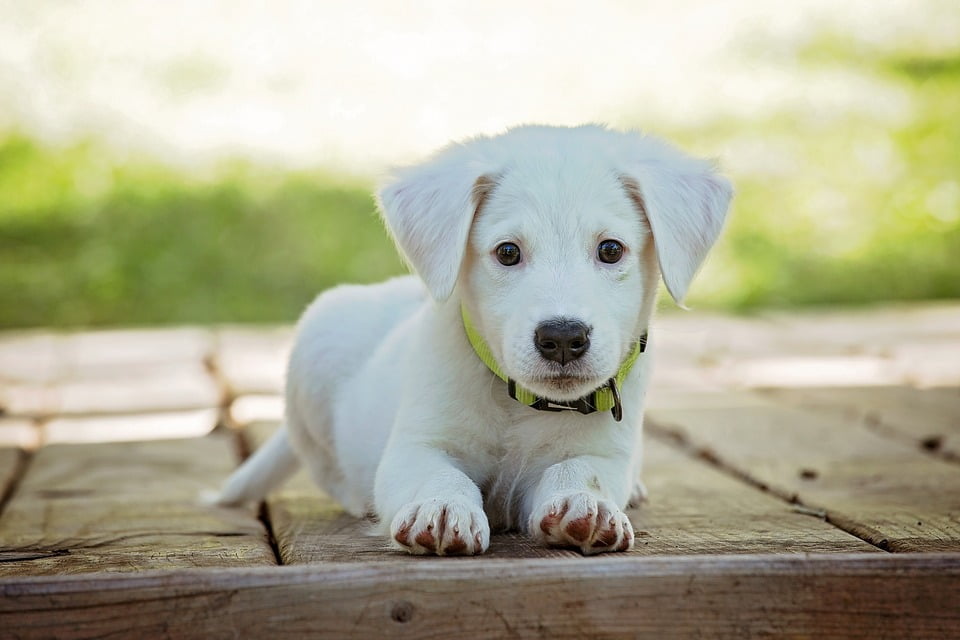
Image Source: Pixabay
Provide appropriate exercise, companionship and enrichment, with shade, drinking water and indoor access in unsuitable weather. For a persistent digger, offer a designated digging area and reward its use. Humane World for Animals explains these different motivations and why punishment after the event does not solve them.
If your dog is trying to escape or appears distressed when left alone, supervise outdoor time and seek qualified behavioral advice. Repairing the fence addresses the immediate gap; it does not resolve the reason for trying to leave.
Protect beds and allow a route through the garden
Use secure, dog-appropriate barriers around seedlings and newly planted areas. Avoid exposed wire ends or structures that could trap paws. Watch the route your dog already takes along a fence or between doors, then consider making that route a durable path rather than repeatedly reseeding it.
Keep fertilizers, pesticides, tools and compost ingredients inaccessible. Check plant and material choices for your particular dog, especially if it chews or swallows objects. No garden surface is suitable for every animal and every climate.
Manage urine damage without changing your dog’s health care
Concentrated nitrogen compounds and salts in urine can injure turf. Watering the affected spot promptly may dilute them, but dead grass will not turn green again simply because it was rinsed. Train and reward your dog to use a designated toilet area where damage is acceptable.
Colorado State University Extension advises against treating lawn spots with baking soda or relying on dietary supplements marketed for this problem. Do not restrict drinking water or alter your dog’s diet to protect the lawn; discuss health or urinary concerns with your veterinarian.
Repair after the pressure is reduced
Fill hazardous holes and keep the dog away from repairs while the surface settles or plants establish. Use a grass type appropriate to your region and existing lawn. If wear returns immediately, a path, separate play space or smaller planted area may be more realistic than another round of seed.
Pick up feces regularly and dispose of it appropriately. Keep a short record of where damage occurs and what changes help. That makes it easier to decide whether you need a landscaping adjustment, more supervision or professional advice about your dog’s behavior.