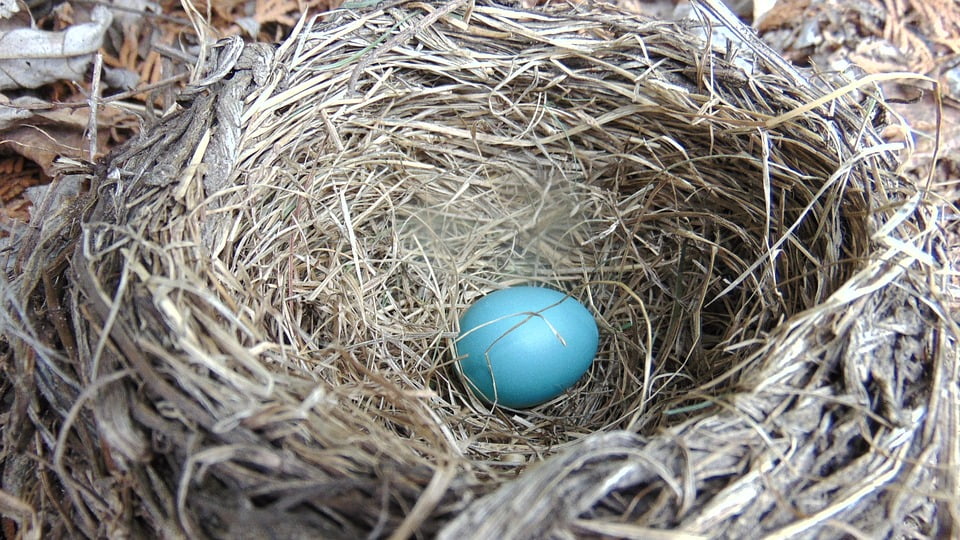
The best time to prevent an unwanted bird nest is before birds occupy the site. Repair access points and use appropriate exclusion on vulnerable parts of a building, while leaving active nests alone until the legal and wildlife issues are resolved.
A nest in a shrub may cause no practical problem. A nest in a working vent or chimney needs professional attention because blocking airflow or using the equipment could create a hazard. The response should fit the location and species, not simply the presence of birds.
Check for an active nest first
Observe from a distance. An adult being temporarily absent does not prove a nest is abandoned. Do not seal an opening, move a nest or install deterrents where eggs, young or birds could be trapped.
In the United States, the U.S. Fish and Wildlife Service explains that destroying a protected migratory bird’s nest containing eggs or young can violate federal law. Eagles and listed species can have additional protections, and state or local rules may also apply. Rules differ outside the US. Consult the relevant wildlife authority when identification or occupancy is uncertain; do not assume an apparently empty nest is automatically yours to remove or keep.

Image Source: Pixabay
Use exclusion suited to the building
Once a site is confirmed unoccupied and the work is lawful, repair gaps and consider purpose-designed barriers. UC Agriculture and Natural Resources describes exclusion as a way to deny birds access to nesting sites on buildings. The installation must fit the opening and remain secure.
Have a qualified contractor select chimney caps and vent guards that are permitted for that equipment and preserve airflow. Do not stuff copper scouring pads, loose mesh or other improvised material into vents. Some openings must remain unobstructed, and an unsuitable screen can collect lint or debris.
Spikes and netting have limitations
Purpose-made anti-perching devices may suit particular ledges and bird species, but they do not guarantee that nesting stops. They require correct placement and maintenance. Do not improvise sharp spikes or describe every installation as harmless.
Loose netting can trap wildlife. For building exclusion, use a competent installer who can select the appropriate material, tension it correctly and ensure no birds are enclosed. Inspect it regularly and arrange prompt professional help if an animal becomes entangled. Draping a net around a porch is not a general solution.
What about fake owls, reflectors and sound?
Visual and sound deterrents can lose their effect as birds become accustomed to them. They are not a dependable substitute for repairing access points. A plastic predator, wind chime or shiny object should not be presented as guaranteed nest prevention.
Consider neighbors and other wildlife before using sound. Avoid sticky trapping materials, poisons or improvised devices that can injure birds. Do not harass an occupied nest while waiting for exclusion work.
Make prevention part of maintenance
Inspect vulnerable areas from a safe position before the local nesting season. Keep food waste contained, repair damaged building details and recheck installed guards for damage or blockage. Use qualified help for roofs, chimneys and inaccessible locations.
If birds have already nested, keep people and pets away and seek advice about the specific situation. Where immediate equipment or fire concerns exist, stop using the affected equipment and contact the appropriate professional. Prevention works best when planned around both the building’s needs and the birds’ protections.