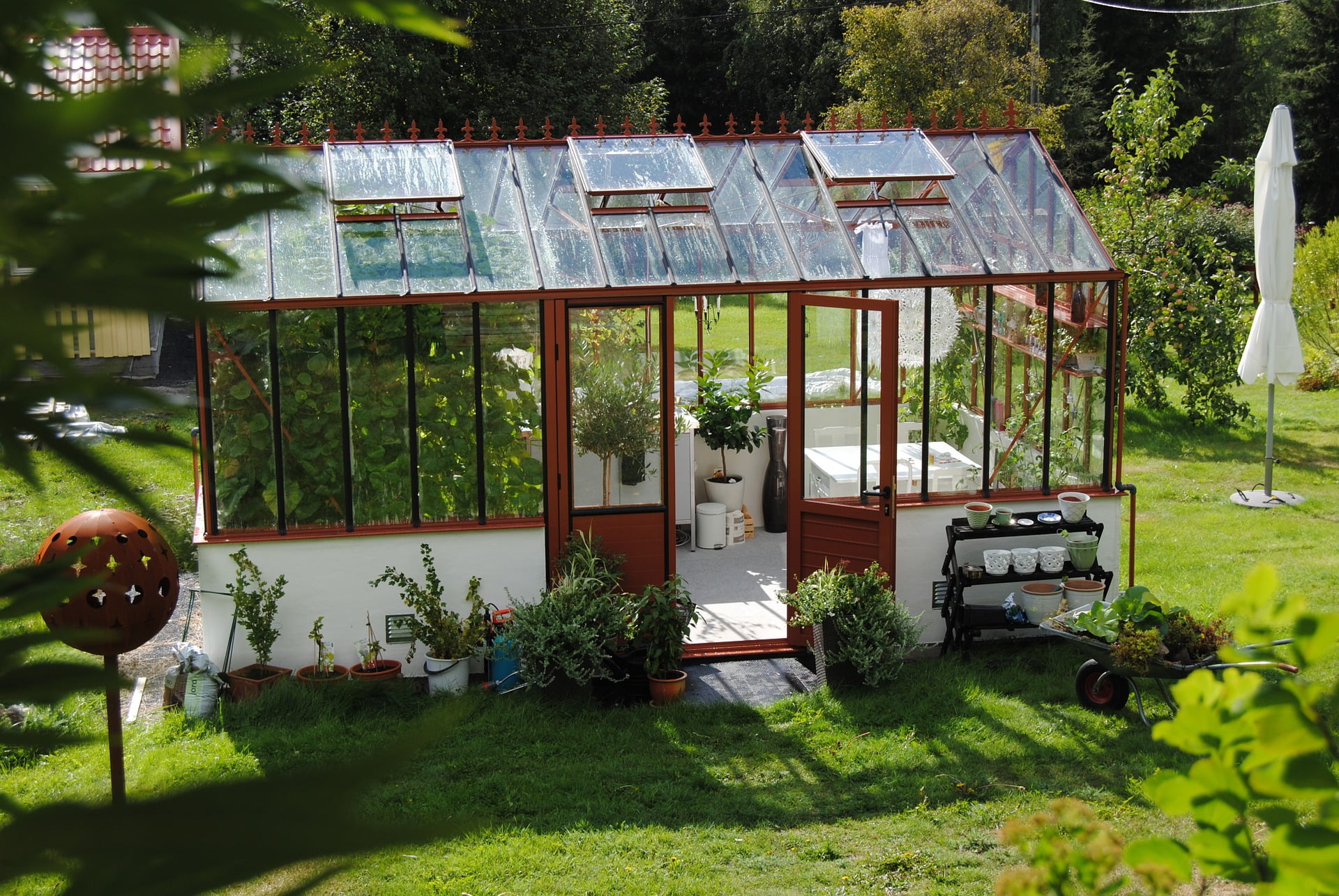
Make the outside of hazardous windows visible to birds with a closely spaced pattern or an effective full-window screen. One or two decorative stickers on a large pane are not enough. Treat the glass itself rather than relying on balloons, loose feathers or moving a feeder to an assumed safe distance.
Why birds collide with glass
Birds may see reflected sky and vegetation, or see through a building to greenery beyond it, without recognizing a solid barrier. Artificial light at night can also draw migrating birds into hazardous built environments. A bird repeatedly pecking its reflection is a different behavior, but breaking up the reflection can help with that problem too.

Survey the windows from outside
Walk around your home at different times of day. Note reflected branches, sky and clear sightlines through opposite windows or glass doors. Include small panes and ground-floor glass; height alone does not make a window safe. Prioritize places where you have found marks, feathers or stunned birds, then check the remaining glass.
Write down which pane was involved, the date and the lighting conditions. This gives you a practical way to check whether a treatment covers the problem rather than assuming a collision-free week proves success.
Apply a close pattern across the full pane
The U.S. Geological Survey recommends an exterior two-inch-by-two-inch pattern. For dots or decals, maintain no more than about two inches between marks horizontally and vertically across the whole surface. Broad clear gaps still resemble a route through the glass.
Use a visible, weather-resistant treatment designed for this purpose, or an appropriate exterior temporary marking method. Check compatibility with the glazing manufacturer’s care instructions. Measure the spacing before starting, and inspect for missing or deteriorated sections after cleaning and weather exposure.
A hawk-shaped sticker is not effective because of its silhouette. Coverage and spacing matter. Likewise, a claim that a product uses ultraviolet markings is not enough on its own; look for testing of that exact product and installation.
Screens and replacement glazing
An exterior screen covering the full glass surface can help. Use a secure installation suitable for the window; avoid loose netting that could entangle wildlife. For a retrofit film or new glazing, consult the American Bird Conservancy collision-prevention resources and its tested-product information.
Compare the intended appearance from both sides of a sample. Ask how the product performs with your glass, reflections and screen arrangement. Tinting, a decorative pattern inside the room or a proposed glass angle should not be assumed equivalent to a tested exterior treatment.
Feeding birds and reducing night lighting
Treat windows near feeding areas even if you move the feeder. Cornell’s current guidance cautions against relying on older safe-distance rules. Turn off unnecessary lights at night and direct required outdoor light downward. Curtains can reduce light escaping from occupied rooms, but they do not replace daytime exterior collision protection.
If a bird has struck the window
Contact a licensed wildlife rehabilitator promptly. A bird that seems merely stunned can have hidden injuries. Keep people and pets away and follow the rehabilitator’s instructions. If safe containment is advised, use an appropriate ventilated container in a quiet, dark place; do not feed or give water. Avoid unnecessary handling, and seek professional help for a bird you cannot safely contain.
The Cornell Lab’s window-collision guide provides prevention and immediate-response guidance. Repair the hazardous window as well as helping the individual bird.
Check the result
After installation, look from outside again. Confirm the pattern reaches edges and corners and covers every pane you intended to treat. Keep monitoring, replace worn marks, and extend treatment if another window becomes a collision site. The objective is a visible barrier across the glass, not a temporary scare effect.