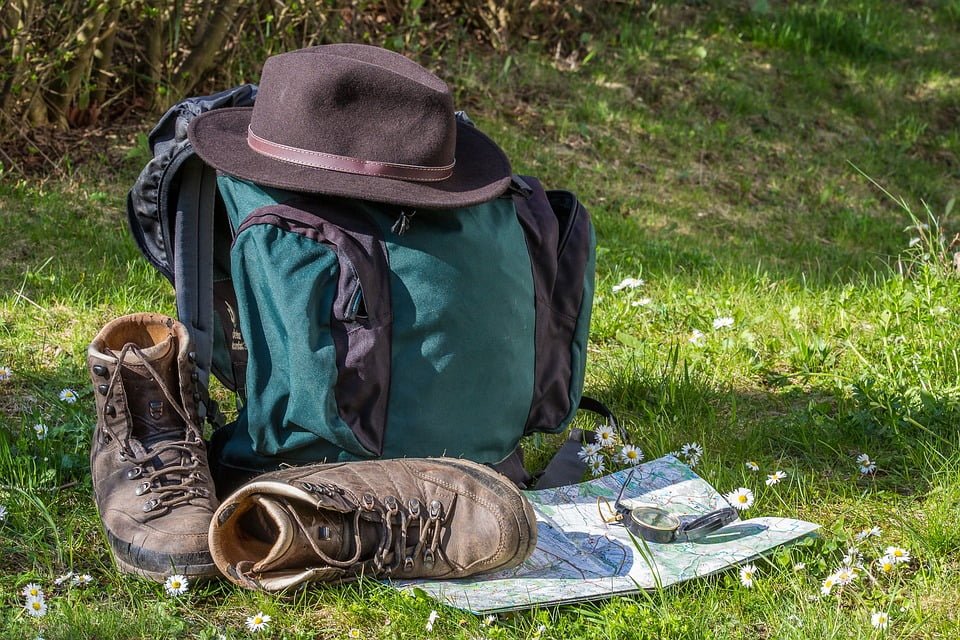
A comfortable hike starts with equipment suited to the route and conditions. Small extras can help, but several items often called “optional”—including sun protection and appropriate first-aid supplies—belong in a safety-minded packing plan.
Before adding comfort items, review the National Park Service’s Ten Essentials. Carry navigation, water, food, suitable clothing and the other supplies your trip requires. Tell someone your route and expected return time, and check local trail and weather conditions.
Lip balm and sun protection
Choose sun-protective lip balm and pack it where you will remember to use it according to the label. Combine it with appropriate sunscreen, clothing and a hat. A tiny tube is easy to lose, so a consistent pocket is more useful than burying it at the bottom of a bag.
Insect repellent
For trips where biting insects are a concern, carry an appropriate repellent and clothing. CDC guidance recommends EPA-registered repellents for mosquito protection. Follow the product’s application, age and reapplication instructions; check that its label covers the insects you need protection against. A fragrant homemade mixture is not an equivalent substitute.
Sunglasses
Bring sunglasses with appropriate UV protection, especially for exposed routes. Choose a pair that stays in place while looking down at uneven ground. A protective case or secure storage pocket helps keep them usable when clouds arrive or you move into shade.

Image Source: Pixabay
Blister supplies and spare socks
Wear footwear that fits and has already been tried on shorter walks. Bring suitable blister dressings and know how to use them before the trip. Moleskin is one possible friction-management supply, but do not assume every adhesive product belongs directly on an open blister; follow its instructions.
Stop when you notice rubbing and address the cause rather than walking until it becomes painful. A dry spare pair of socks can be a useful comfort item on wet routes. Blister supplies supplement a first-aid kit; they do not replace it.
A bandana or small cloth
A cloth can wipe sweat, dry a seat or help organize small items. Keep a separate clean cloth if you intend to use one around food. Do not count an ordinary bandana as reliable protection against sunlight or biting insects, and do not plan on it as an improvised tourniquet.
Pack for the actual walk
Put frequently used items within reach and protect supplies that need to stay dry. For a short local walk, keep extras modest; for a longer or remote route, reassess your emergency equipment instead of simply adding more comfort accessories. Test your loaded pack on a shorter outing so you can adjust it before a demanding hike.