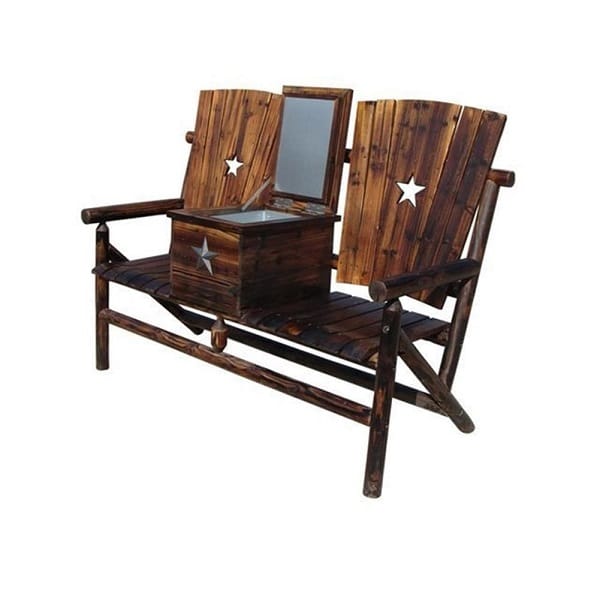
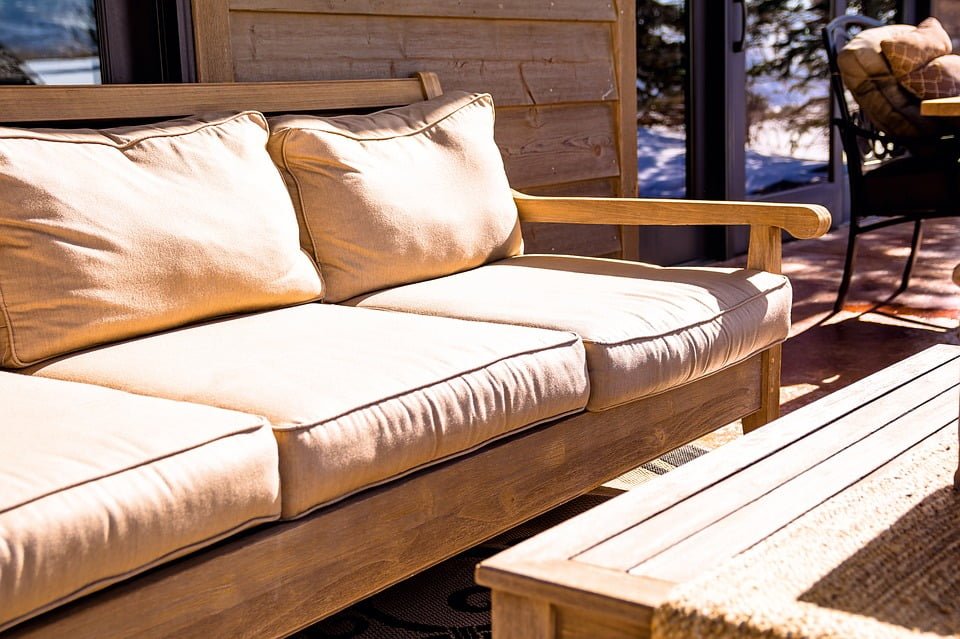
A backyard shed can provide storage or a pleasant garden retreat, but its intended use determines the design. A tool shed is not automatically suitable as a bedroom, heated office or raised children’s play area. Check local requirements and the foundation, weather loads, access and services before selecting a kit or adapting a structure.
These six design ideas and four purchase categories are starting points for comparison. Photographs do not supply structural plans, and older model descriptions should not be treated as current prices, warranties or verified specifications.
1. Storage with a separate sitting area
Dividing a larger structure can keep tools away from a place to sit. Plan secure storage and clear exits. Glazed walls need appropriate safety glazing and support; consider summer overheating as well as winter comfort. Use heating intended for the setting and installed correctly. Outdoor-only heaters do not belong inside a shed.

2. Woodland or cabin styling
Dark finishes and simple detailing can create a cabin appearance. Roof pitch, headroom and drainage must still suit the roofing system and local loads; do not make the roof as low as possible just for the look. Choose durable exterior finishes for the actual material.

3. A colorful garden retreat
Color can make a small shed a focal point without changing its structure. Keep door operation and access clear, and avoid loading a door with tools beyond its design. Secure sharp tools and chemicals separately from seating or a space children can enter.

4. Miniature-house appearance
Porches, windows and trim can make a shed look like a little house. Appearance does not make it approved for overnight occupancy. Discuss any proposed guest accommodation with the relevant local authority and qualified designer before spending money on the conversion.

5. A purpose-designed playhouse
Choose a structure intended for children, with suitable access, edges, openings and supervision. Do not convert an ordinary shed roof into a play deck by adding a fence and ladder. Keep storage hazards separate. Our garden playhouse ideas address this separate use.
6. A glazed wall or roof feature
A view of the sky can be appealing, but overhead glazing needs a suitable system and installation. Include cleaning and replacement access, shade and condensation management. An inspiration image is not enough to specify safe glazing or supporting members.

7. Compact metal storage shed
Compare usable interior space, door width, base requirements and anchoring. Metal panels do not establish resistance to every storm. Read the exact wind and snow limits and maintenance instructions. Check whether the floor and anchors are supplied or must be purchased separately.

8. Larger resin or panel shed
Windows and skylights can help you see stored items. Verify dimensions, ventilation and assembly needs from current manufacturer information. Do not assume that an older listing’s window count, warranty or “shatterproof” description applies to a replacement model.

9. Narrow side-yard shed
A slim layout may fit beside a building, but check access, boundaries, drainage and maintenance clearance. “Freestanding” and “attached” are different installations. Do not fasten a shed to a house unless the system and building details support that arrangement.

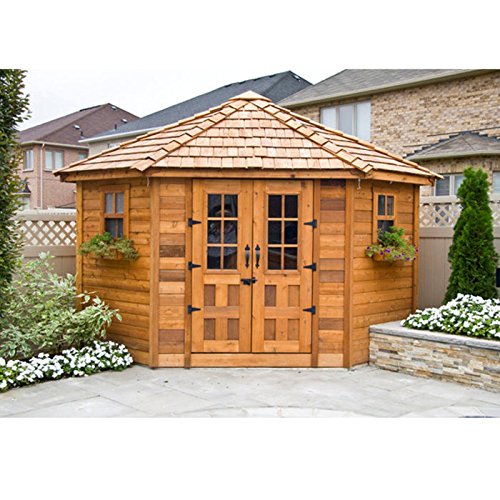
10. Timber garden shed
Compare timber specification, construction, roof covering, floor and finish requirements rather than buying solely for a cedar appearance. Include delivery, base preparation, installation and future care in the cost. Ask for current product documentation instead of relying on a historical dollar figure.
Turn the shortlist into a workable project
Measure the largest items that will go through the door and allow room to move around them. Make a list of what is included, who prepares the base and who is responsible for assembly. Keep utilities and trees in mind when choosing the site. If the intended use changes from storage to occupied space, reassess the whole project rather than simply adding furniture and a heater.
For heating safety, see the CPSC guidance on keeping outdoor heaters out of enclosed indoor spaces.