A backyard campout can be as simple as a tent, a picnic supper and a few games before bedtime. Start with an evening outside if your family is new to camping, then add an overnight stay when everyone is comfortable. The house is a useful fallback for bad weather, bathroom trips or a child who wants to sleep indoors.
Choose the spot and make a weather plan
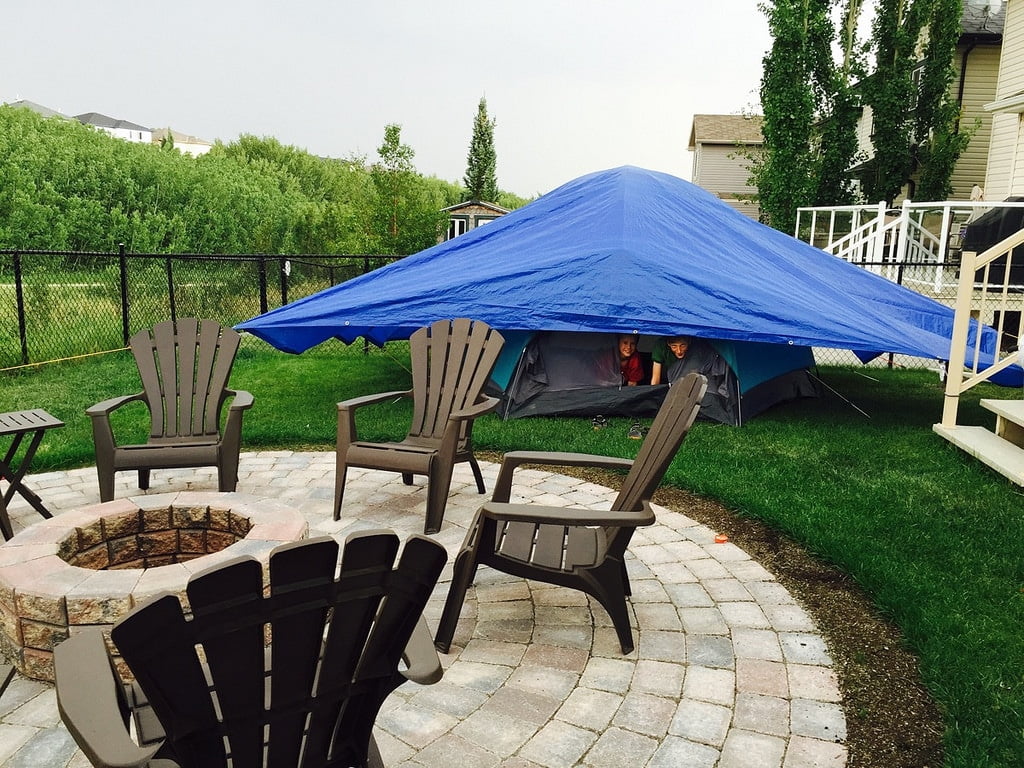
Pick a level area that drains well, away from damaged branches, play-equipment paths and other hazards. Keep the route to the house clear, mark guy lines so people notice them, and check the tent’s instructions before choosing its position. Test the tent in daylight rather than discovering missing poles at bedtime.

Image Source: Wikimedia Commons
Check the forecast and decide in advance when you will move indoors. A tent is not lightning shelter: the National Weather Service advises going indoors when thunder is audible. Do not wait for rain to reach the yard. Strong wind, excessive heat or cold can also be reasons to shorten the campout.
Pack a small camp box
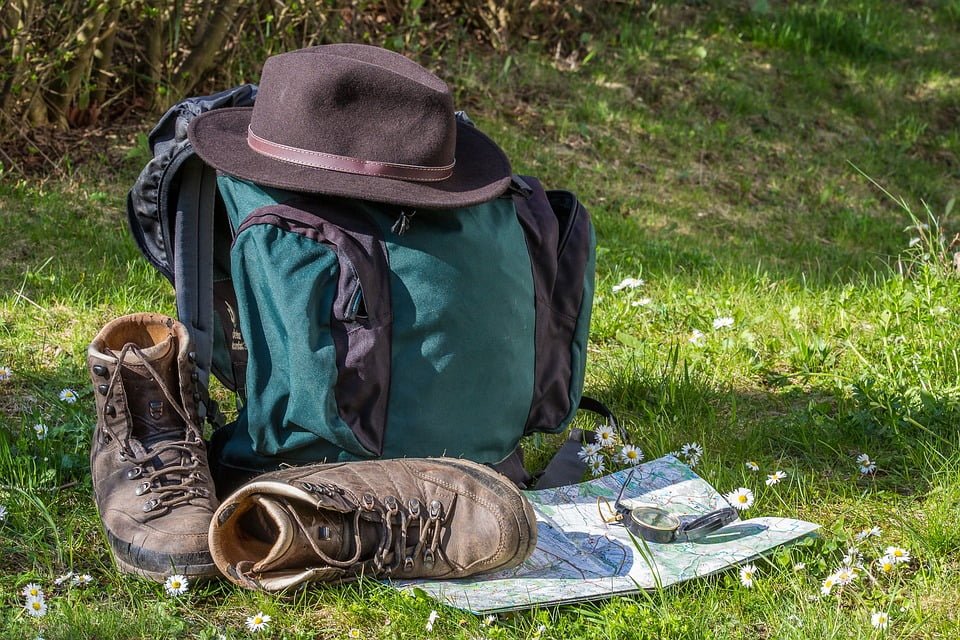
- Tent, suitable sleeping bags or bedding, sleeping pads and pillows.
- Individual flashlights or headlamps, plus spare batteries.
- Water, cups, snacks and any food-serving supplies.
- Warm layers, dry clothing and footwear for trips indoors.
- Access to a first-aid kit, needed medicines and a charged phone.
- A rubbish bag, handwashing supplies and a few chosen games.
Bring what makes the evening comfortable without trying to recreate a remote expedition. Let children pack their own small bag, with an adult checking essentials. Being close to home makes forgotten items easier to retrieve; it does not remove the need for first aid or warm clothes.
Give the evening a simple rhythm
Try this loose sequence: put up the tent in late afternoon, play an active game, eat together, switch to quieter activities as it gets dark, then read or tell stories before bed. One adult can supervise the games while another handles food. Leave time between activities instead of filling every minute.
For a first attempt, agree that going indoors is allowed. A successful campout can finish at bedtime. Let children help choose breakfast or decorate a paper campsite sign so the event still feels like theirs.
Games before and after sunset
Before dark, play beanbag toss, badminton where there is space, or a nature-color scavenger hunt that does not require picking plants or handling wildlife. Choose games that fit the yard and the children’s ages. Keep energetic play away from tent lines, cooking equipment and neighboring property.
After sunset, try shadow puppets with a flashlight, a familiar board game, a round of shared storytelling or a quiet listening game. A blanket and a sky map can turn the evening into a short stargazing session. You do not need a telescope to begin.
Four easy campout food ideas
Prepare ingredients in the kitchen and keep the cooking manageable. A backyard evening does not need a fire: sandwiches, a picnic platter or dinner carried outside can work just as well. Ask about allergies before planning shared snacks.
- Soft onions for sandwiches: slice onions in the kitchen, add a little oil and cook in a suitable covered pan on the grill or stove until tender, stirring as needed. Serve as a topping rather than relying on a fixed campfire cooking time.
- Warm cinnamon rolls: use fully baked rolls and warm them gently in suitable cookware. Do not wrap raw refrigerated dough around a roasting stick and judge it by the browned outside; FDA guidance explains why raw flour and dough need proper cooking.
- Filled dessert cones: add small amounts of ready-to-eat chocolate and marshmallows to cones, then warm in a suitable pan until softened. Let an adult handle hot cookware and let the filling cool before serving.
- Sweet-potato wedges: cut similar-size pieces, coat lightly with oil and cook on a tray or grill basket until tender throughout. Adjust the time to the pieces and heat rather than treating a fixed number of minutes as a guarantee.
Keep perishable ingredients refrigerated until needed, use clean utensils and return leftovers promptly to the kitchen. A cooler can be useful if carrying food back and forth would interrupt supervision.
Make a fire optional
Check current local restrictions before lighting anything. Use only a permitted, suitable fire area and follow campfire safety and extinguishing guidance. Keep tents and supplies well away. Never operate a grill or fuel-burning appliance inside a tent or enclosed shelter.
A battery lantern can provide the gathering point for songs and stories on a night when a fire is unsuitable. Put any permitted fire completely out before starting an activity that takes the supervising adult away, and always before sleep.
Try a daytime play shelter
If children want to build something, make a supervised fair-weather play shelter using a suitable kit and its instructions. Let them choose decorations or arrange cushions. Adults should handle tools and check that the structure and attachments are secure.
A homemade sheet or canvas shelter is not automatically a weatherproof sleeping tent. Keep this craft separate from the overnight setup, avoid long loose cords, and take it down when the weather changes or supervision ends. In the morning, dry the camping equipment before storing it and check the yard for pegs and small items.