Gardening games work best when children can make a choice, complete a manageable task and return to see what changed. These seven activities combine planting, observation and simple crafts. Choose one for the time and space you have; a single container can be enough.
Set up with an adult who can identify the plants and supervise tools. Keep small seeds and decorations away from children who put objects in their mouths. Use child-appropriate materials, cover cuts, wash hands afterward and keep garden supplies separate from food. Check the area’s treatment history before children enter a recently sprayed space.

1. Build a miniature garden
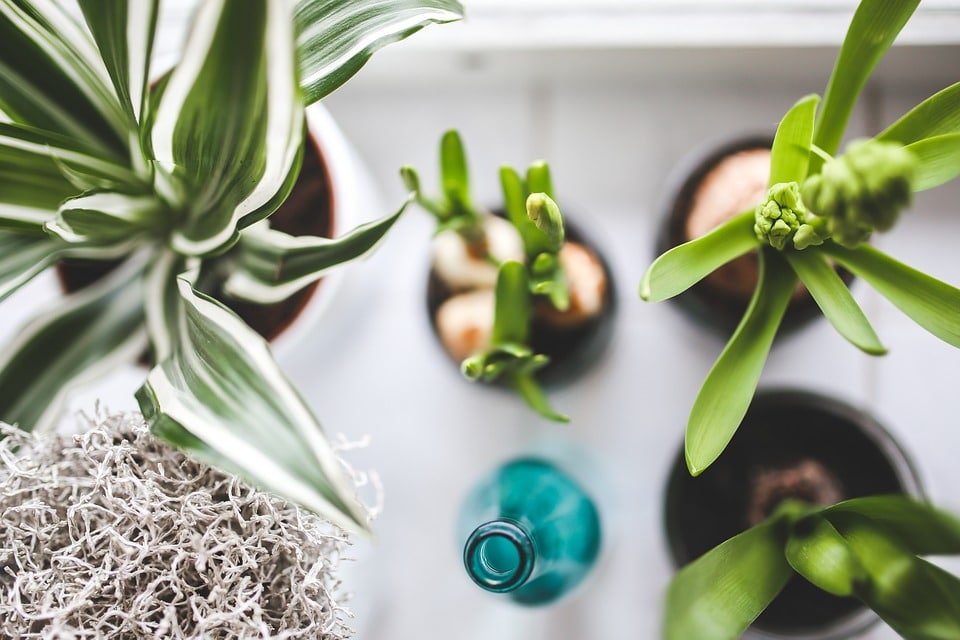
Give each child a small, stable container with drainage, suitable potting mix and a choice of plants selected by an adult. Let them arrange the plants before planting, then decide on a name for the miniature garden. Leave room for growth rather than filling every gap with decorations.
Turn care into a recurring observation game: is the mix damp or dry, has a leaf opened, and where does the pot receive light? The adult decides whether watering is needed. Reward noticing a change rather than pouring the most water.
For older children, draw a plan first and compare it with the finished container. Younger children can choose between two plants or decorate a large label while the adult handles planting.
2. Make a toy-truck planter
An old toy truck with a suitable open load bed can become a miniature garden. Check it for sharp edges, flaking paint, broken parts and stability before reuse. Keep an actual planted insert in the toy if that provides a better draining container; do not trap roots in a sealed compartment full of water.
Let the child design the “delivery”: which small plant belongs in the truck, and where will it live? An adult handles any modification or drainage work. Retire a toy that is deteriorating rather than using it simply because it looks charming.
This activity extends the miniature-garden idea without requiring a full garden bed. Keep it in a position where it will not become a tripping hazard.
3. Watch a bean start growing
Use an untreated planting bean, a clear unbreakable container and a damp paper towel. Position the bean where its changes can be seen, keeping the towel moist without leaving it submerged. An adult should manage the small materials with young children.
Ask the child to draw or photograph what happens and predict which part will appear next. Compare observations on different days rather than promising every seed will sprout on the same schedule. Move a growing seedling into suitable potting mix when appropriate; the observation setup is not its permanent home.
Do not eat the bean or sprouts from this activity. An adult should discard moldy material and clean the container. The goal is watching a plant develop, not growing a snack in an improvised sprouting system.
4. Become a flower ranger
Choose one small patch and have the adult point out a specific, safe-to-handle weed. Show how it differs from the plants being kept. The child can search for matching examples and ask for confirmation before removing them.
Avoid a competition to pull every unfamiliar plant. Do not use areas with irritating plants, thorns or unidentified growth. Comfortable clothing, gloves where appropriate and clear vision are more useful than a trailing cape or mask around tools and branches.
End by comparing the patch with a “before” picture. The challenge is accurate identification and careful work, not speed or the largest pile.
5. Paint plant-marker rocks
Choose large, smooth rocks that do not present a swallowing risk, or use another child-appropriate marker. With suitable non-toxic craft paint, add a plant name and a simple picture. Let the markers dry as the paint manufacturer directs.
Turn placement into a matching game: which drawing belongs beside the beans or flowers? Older children can add the planting date. Place markers where they will not damage equipment or create a trip hazard, and wash hands after crafting.
A picture helps a child who is not reading yet take part. Keep a separate adult planting record in case a marker moves or its paint fades.
6. Make paper flowers for a garden map
Use paper or cardboard, crayons and age-appropriate scissors with supervision. Create flower shapes and attach them to a garden drawing or a dry display board. An adult can prepare shapes for younger children to arrange.
Ask each child to show where their favorite real plant grows and explain what it needs. This keeps the original craft idea without cutting drink cans into sharp metal petals. Bring the paper display indoors when finished rather than leaving loose craft materials outside.
7. Go on a slow garden observation hunt
Choose a few things to find without collecting them: a curled leaf, a flower bud, a visiting insect and, if present, a snail. Stay on clear paths and look quietly with an adult. Photograph or draw discoveries instead of racing to catch animals.
Do not pick up or mouth snails or slugs. Wash hands after gardening and keep the activity in a setting where everyone can move safely. There is no need to run through beds at dusk or in darkness to make observation interesting.
Compare what you found on another day. A missing insect or a newly opened flower can start a conversation without requiring a guaranteed result.
Keep the game manageable
Prepare materials first and stop before tiredness turns the task into a chore. Penn State’s guidance on gardening with young children emphasizes simple, age-appropriate experiences and safety. Give each child a role, allow time to observe, and let a drawing or short note preserve what happened.
Gardening can offer opportunities to learn and spend time together. It does not guarantee a particular lifelong diet or that every child will enjoy the same game. Repeat the activities your children choose and adapt them as their interests and skills develop.