The most useful nonchemical approach to cockroaches is to remove food and water, close access points and monitor where they are active. These steps help control the conditions that support them, but an established indoor infestation may also need targeted treatment.
Bay leaves, lemon juice and baking-soda-and-sugar recipes should not be treated as dependable substitutes for a control plan. “Natural” does not establish either effectiveness or safety.
1. Remove accessible food and moisture
Clean crumbs and greasy residues, including less visible areas around appliances. Store pantry and pet food in closed containers, clear dirty dishes and use a covered rubbish bin. Avoid leaving pet food out overnight. Fix plumbing leaks and address persistent dampness rather than simply wiping up the water repeatedly.
The EPA’s integrated pest management guidance emphasizes reducing pests’ access to food, water and shelter. A routine you can maintain is more useful than a single intensive cleaning followed by the same attractants returning.
2. Reduce hiding places and entry routes
Remove unnecessary cardboard and clutter, inspect incoming boxes, and seal appropriate gaps around pipes or cabinets. Repair screens and door gaps where outdoor insects enter. Do not obstruct ventilation or seal building components that need drainage.
In a rental or shared building, report repeated activity to the property manager. Treating one cupboard will not resolve a source in a neighboring unit or a shared service area. Note locations and dates so the inspection can focus on the right places.
3. Identify and monitor the problem

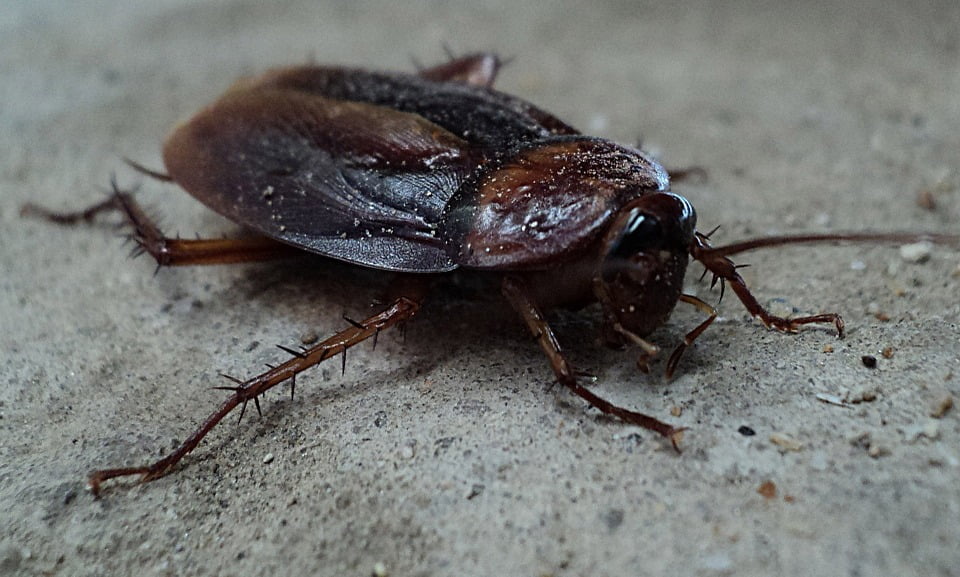
Image Source: Pixabay
Place cockroach monitoring traps along likely travel routes, following the product directions and keeping them away from children and pets. Label their locations and check them regularly. Counts and photographs help distinguish an occasional outdoor visitor from ongoing indoor breeding.
UC IPM’s cockroach guide explains that species differ: some commonly live outside, while German and brown-banded cockroaches can live and reproduce indoors. Sticky traps are primarily a monitoring tool, not a complete treatment for a substantial infestation.
When these steps are not enough
If sightings or trap counts persist, seek species-specific advice from an extension service or qualified pest professional. Targeted baits may be part of the plan; select a product labeled for the location and use it exactly as directed. Do not scatter homemade poison mixtures, combine pesticides or assume a room fogger will reach hidden cockroaches.
Continue prevention and monitoring during treatment. Judge progress by repeated observations, not by whether the room smells of a cleaner or a scented remedy.