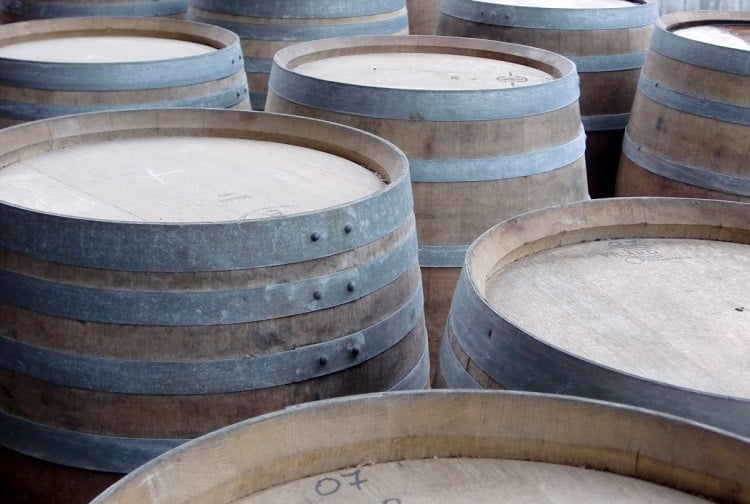
Wine barrels can become distinctive tables, storage pieces and decorative accents, but a barrel’s shape is not a furniture plan. The easiest projects keep an intact barrel and add a properly secured top. Chairs, benches and cut-open cabinets require a designed support system because removing staves or hoops can change how the barrel holds together.
Choose the idea around your available space, tools and experience. These are design concepts to help plan a project, not construction drawings or tested load ratings. For seating or a large tabletop, use a proven furniture design or have a competent furniture maker develop the support and connections.
Choose and prepare a suitable barrel
Start with a barrel of known history. Check for soft or decayed wood, loose hoops, damaged staves, sharp metal and persistent contamination. A barrel that looks attractive is not necessarily sound enough to support furniture. Avoid unknown chemical-storage containers and do not assume sanding will make contaminated material suitable for indoor use.
Clean using a method appropriate to the barrel’s previous use and let it dry sufficiently for the intended finish. Inspect for hidden fasteners before machining. Secure curved pieces with suitable workholding instead of trying to hold a rolling barrel by hand while cutting. OSHA’s woodworking safety guidance covers machine, dust and finishing hazards; follow your tools’ instructions and use the appropriate protection and dust control.
Choose a finish for the actual exposure and material rather than varnishing every surface indiscriminately. The USDA Forest Products Laboratory’s finishing chapter explains how moisture, sunlight and weathering affect wood and coatings. Finish can protect appearance and reduce weathering, but it cannot repair weak joints or turn deteriorated wood into a safe seat.
1. An intact-barrel side table or bar table

A sound upright barrel can give a patio a compact drinks-table focal point. Check that it sits securely on a level base and that its top is suitable for the intended use. A separate top can make the surface more practical, but it needs a designed attachment rather than relying on its weight to stay in place.
Keep overhang appropriate to the support so someone leaning on an edge does not tip the assembly. Measure the proposed height against your chairs or stools before committing. A barrel that works as a standing bar may be uncomfortable beside a low lounge chair.
For a two-barrel dining table, design the tabletop span, fixings and resistance to sideways movement as a complete piece of furniture. Two attractive bases and a loose plank are not a finished dining-table structure. Leave sufficient knee room and access around the barrels.
2. A barrel coffee table
A half-barrel shape can make a striking low table. A lengthwise-cut barrel needs a stable supporting cradle or frame that prevents rolling. A crosswise section also needs its cut components secured; the remaining hoops should not be assumed to retain everything after cutting.
A timber top gives a more enclosed appearance, while a glass top can show the interior. Have any glass selected, edged and supported for furniture use by a suitable supplier. Ordinary glass placed over an uneven rim is not an appropriate shortcut.
Decorative contents should remain accessible for cleaning. Avoid filling a table with damp growing media or other material that keeps moisture against the wood. A simple dry display is easier to maintain than a sealed miniature garden.
3. A chair using barrel staves
Curved staves can create a distinctive seat or back, but comfort and strength depend on the frame, joints and dimensions. Cutting an opening into a barrel and resting a disk inside it does not establish a safe chair.
Choose a tested chair plan that accounts for the reclaimed wood’s condition, or use barrel material as decorative cladding over a properly designed frame. Mock up the seat height and back angle before final assembly. Rounded edges and a smooth surface matter, but they cannot compensate for inadequate supports.
4. A bench with barrel details
Half-barrel ends can provide the visual theme for a garden bench. The safest design decision is to establish the load-bearing frame first and decide how the barrel pieces attach to it. Do not assume two cut shells can support a spanning seat merely because they supported liquid when intact.
Plan for the number of users, movement as people sit down and exposure to weather. Keep the base stable on the intended surface and avoid details that trap water under the seat. For a frequently used family bench, professionally built seating with barrel accents may be more practical than improvising the structure.
5. A drinks cabinet or serving station
A barrel cabinet can hold bottles and glasses while preserving much of the original shape. Cutting a doorway removes material that helped retain the barrel, so plan reinforcement, hinges and shelf support before making the opening.
Keep heavy contents low and make sure the piece cannot tip during use. Shelves should be attached to a designed support, not wedged between staves. A removable serving tray can simplify cleaning; use surfaces suitable for their intended food or drink contact.
Outdoor storage also needs protection from rain and pests. A decorative barrel door alone does not make a weatherproof cabinet. Place fragile glassware elsewhere when weather or temperature conditions make that prudent.
6. Hoop wall art or a framed display
Retired hoops and barrel heads can become wreath frames, signs or wall decorations. This is a useful way to reuse parts that are unsuitable for seating. Inspect metal edges and corrosion, and secure the finished piece with fixings suited to its weight and the wall.
Keep decorative attachments light and avoid hanging heavy objects over seats without appropriate support. For a mirror, use a designed backing and mounting arrangement; the hoop itself is not automatically a mirror frame. Seasonal greenery can be changed without rebuilding the whole display.
7. A barrel-stave accent beside outdoor lighting
Use a stave as a decorative backdrop or surround for a separately supported, commercially made light that permits that arrangement. Keep the fixture’s required clearances and use equipment rated for the actual outdoor location. Follow its installation instructions and use an electrician for work beyond your competence.
Do not wrap bulbs in paper, enclose them in improvised wood shades or drill a stave into a homemade mains-powered lamp. The CPSC’s decorative-light guidance recommends lights tested by a recognized safety laboratory. A rustic appearance should come from the surrounding decor, not an altered electrical assembly.
Plan for upkeep before building
Budget for the top, frame, fasteners, finish and skilled work as well as the barrel. Reclaimed material does not necessarily make a project inexpensive. Leave access to inspect hoops and joints, and stop using furniture that becomes loose, unstable or decayed.
For a first project, an intact-barrel table with a professionally planned top is a more manageable starting point than seating. Choose the furniture you will actually use, then make the barrel’s character part of a sound design.
Image credit: barrel table photograph.