


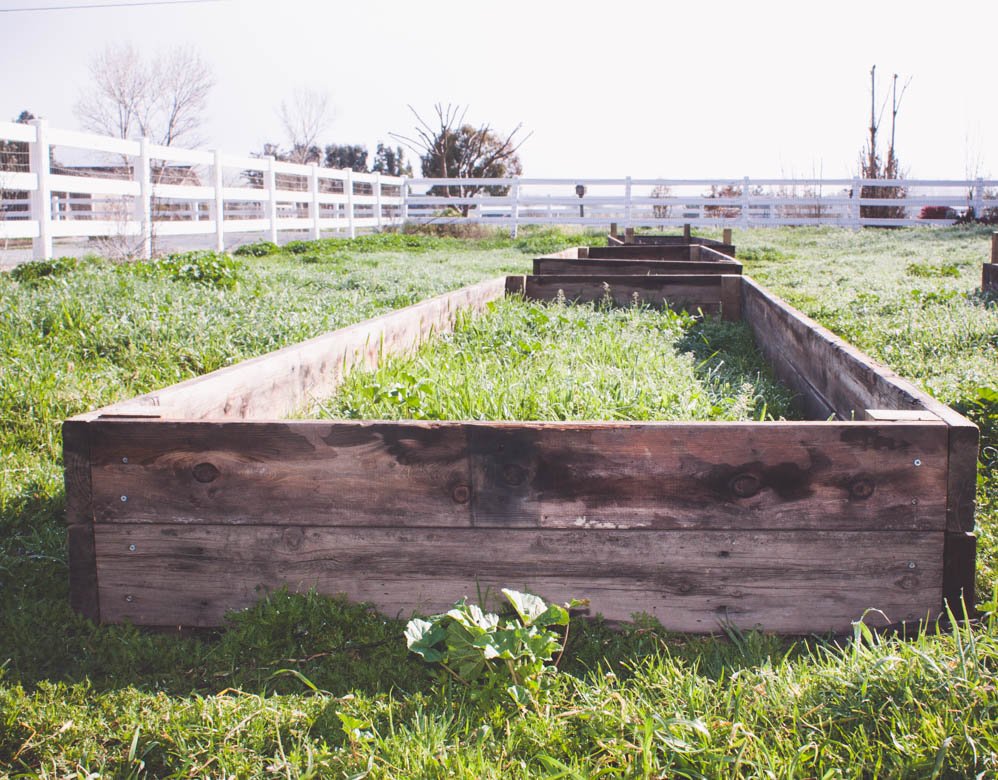
For a beginner, a low raised-bed kit with purpose-made corner connections is a straightforward way to build a flower bed. It avoids balancing loose boards against exposed rebar. Choose a kit or a published design with clear assembly instructions, then treat the project as three steps: prepare the site, assemble the frame and fill it appropriately.
What you will need
- A raised-bed kit or materials specified by a suitable construction plan
- The listed fasteners and tools, plus gloves and eye protection where required
- A tape measure, level, spade and rake
- Soil suitable for raised beds and the flowers you plan to grow
- Access to water and enough clear space to work
University of Maryland Extension describes several suitable enclosure materials and the importance of planning dimensions. Avoid reclaimed wood of unknown treatment history and choose materials appropriate for garden use. A tall bed or a bed retaining a hillside requires more than a simple low-bed assembly.
1. Choose and prepare the location
Match the location to your flowers’ light needs. Keep access to taps, paths and buildings clear, and choose a width you can reach across without stepping into the bed. If you can work from only one side, make the bed narrower. Leave enough path space for the people and equipment using it.
Check for underground services before digging or driving stakes. Remove weeds and prepare a reasonably level base according to the design. Deal with persistent weeds before filling; a thin layer of newspaper is not a guaranteed permanent weed barrier.
2. Assemble a stable frame
Lay out the parts, check the corners and follow the kit’s specified connections and supports. Use its required fasteners rather than substituting whatever is available. Confirm that the completed frame sits securely before adding soil.
Do not leave metal rods projecting beside the bed. The earlier method of propping arbitrary board sizes against exposed rebar did not provide a reliable design for every bed size. A kit or detailed plan gives you an appropriate connection system and limits for its intended use.
3. Fill, water and plant
Calculate the volume from the bed’s inside dimensions and planned fill depth before ordering soil. Use a raised-bed soil blend appropriate for your flowers, rather than filling entirely with fertilizer, compost or an unspecified heavy soil. If the site may be contaminated, obtain advice before gardening there; a frame alone does not solve that problem.
Keep drainage open and leave the recommended space below the rim. Water to settle the fill and top up as needed without compacting it hard. Plant at the appropriate depth and spacing, then monitor moisture while roots establish.
A small kit may be an afternoon assembly project, but site preparation and moving soil can take longer. Plan those jobs separately so that speed does not come at the expense of a stable, accessible flower bed.


