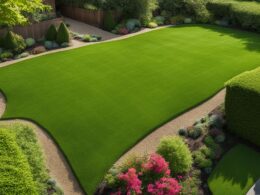
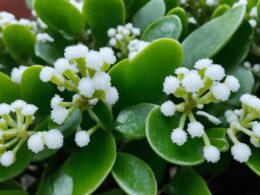
Choosing plants for a coastal San Diego garden means assessing wind, ocean spray, drainage and shelter. A protected courtyard a few miles inland is not the same growing environment as a bluff facing the sea. “Drought tolerant” does not automatically mean tolerant of salt spray or persistent wind.
Start with a site plan, then choose plants. Native and non-native plants can appear in coastal gardens, but their origin, exposure tolerance and invasive potential are separate questions.

Map the difficult spots
Mark the side facing prevailing wind, the places sheltered by buildings, reflected heat from paving, and areas that remain wet after rain. Record sun at different times of day. Plants beside an ocean-facing fence can experience conditions that a protected plant of the same species does not.
UC IPM identifies ocean spray and poor-quality irrigation water as distinct sources of salt exposure. Leaf damage alone cannot tell you which is responsible. If decline persists, investigate soil and irrigation conditions rather than adding fertilizer automatically.

Shortlist for the actual exposure
For a locally native planting, begin with habitat-appropriate selections of buckwheats, sages and other coastal-community plants. Verify each species and cultivar with a local specialist; a genus name such as Salvia is too broad to establish its suitability. The separate San Diego native-plant guide focuses on origin and habitat selection.
Island snapdragon, Gambelia speciosa, is one California-island native worth investigating for a coastal garden. UC Master Gardeners describe its ocean-spray tolerance and cold sensitivity. It should not be labeled a mainland San Diego native or assumed suitable for a frost pocket.
For sheltered warm positions, gardeners also consider non-native ornamentals such as rosemary, aloes or bougainvillea. Treat these as candidates requiring species-level checks, not blanket recommendations for exposed seafront planting. Spines, thorns, mature spread and proximity to paths matter as much as color.
Check invasive potential before buying
A plant thriving locally is not necessarily a responsible choice beside natural habitat. Consult the San Diego Master Gardeners’ invasive-species resources before selecting a vigorous groundcover, grass or palm. Do not assume every species in a familiar ornamental group behaves alike.
Ask for the exact botanical name when a seller offers a generic “coastal mix.” Keep the plant list with your plan so that later maintenance decisions use the same identities.
Establishment water still matters
Group plants with similar water needs and check the original root balls after planting. Wind can increase drying, while cool weather and heavy soil can slow it. Apply water according to the plant and soil rather than expecting all coastal plants to survive immediately without irrigation.
Maintain drainage in pots and choose stable containers for exposed locations. Before positioning a heavy planter, consider its mature weight and safe access. Avoid creating a narrow maintenance route beside thorny or sprawling plants.
Trial before repeating a whole border
Where conditions are difficult, start with a few well-chosen plants and observe them through seasonal changes. Record which areas dry first, where leaves are repeatedly damaged and whether the mature form fits the space. Replace an unsuitable choice rather than masking a continuing site mismatch with sprays or feed.
A coastal garden can be colorful and water conscious, but the successful plant list comes from the actual exposure and care you can provide. County-wide popularity is a useful lead, not proof that a plant belongs in your particular spot.