Native gardening means choosing plants that occur naturally in your region and matching them to the conditions of your site. A plant native somewhere in North America is not automatically native to your county, suited to your soil or appropriate beside your house.
You can start with one bed, retain useful existing plants and expand gradually. A native-focused garden does not require abandoning a vegetable patch or rebuilding the entire yard at once. The practical goal is a planting you can establish and maintain while supporting locally appropriate vegetation.
Native plants and natural-looking design are different ideas

“Native” describes a plant’s geographic relationship to a place. “Naturalistic” describes a style of planting. A formally edged bed can contain native species, while a wild-looking meadow can contain introduced plants. Likewise, a non-native plant is not automatically invasive, and a native plant can spread vigorously enough to be unsuitable for a small space.
Check regional plant lists and local invasive-species guidance rather than relying on a package marked “wildflowers.” The University of Minnesota’s native-plant resources illustrate the kind of locally grounded information to seek. For another region, use that region’s extension service or native-plant organization.
Read the site before making a shopping list
Observe sunlight at different times of day, drainage after rain, exposed wind and summer dryness. A shaded area beneath established trees is not equivalent to an open wet meadow. Note compacted ground, runoff, existing roots and the space available at a plant’s mature size.
Native plants do not all need dry, poor soil. Wetland plants need different conditions from prairie or woodland plants. The EPA’s WaterSense landscaping guidance emphasizes matching plants and watering needs to the site. Good matching can reduce unnecessary irrigation; it is not a promise that every native planting will never need water.
Plan a manageable first section
Draw a simple bed outline with paths and access for maintenance. Group plants with similar moisture and light needs. Combine different heights and flowering seasons, allowing room for grasses or shrubs where appropriate. A repeated group of a few suitable species can be easier to establish than one specimen of everything in a catalog.
Choose a starting area you can weed and water through establishment. Existing weeds and turf need a preparation plan before planting; scattering native seed over a dense lawn rarely creates the intended garden. The Minnesota DNR’s cultivation guidance covers site assessment, preparation and phased planting.
Eight plant examples—and the qualifications that matter
These examples illustrate different garden roles. They are not a nationwide planting list. Confirm the exact species, native range and local suitability before purchasing.
1. New England aster
Symphyotrichum novae-angliae is an eastern North American perennial with late-season flowers. It can grow tall and needs space and airflow. NC State recommends full sun and moist, well-drained soil. It is not a universal low-growing plant for dry shade.
2. Columbines
Choose the species appropriate to your area. Aquilegia canadensis, the eastern red columbine, differs from western columbines and many garden hybrids. NC State’s species profile is useful for checking its habitat and growing requirements. The word “columbine” alone does not establish local native status.
3. Switchgrass
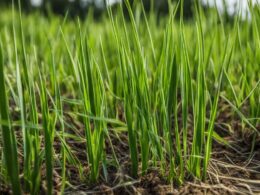
Panicum virgatum is a warm-season grass that forms substantial clumps. It can provide height and winter structure, but it is not a short evergreen lawn substitute. NC State’s profile explains its sunny-site preference and the tendency to flop in shade. Allow for the mature size of the selection.
4. Shooting stars
Several species share this common name, traditionally placed in Dodecatheon. Their ranges differ. The National Park Service describes a western shooting star at the Presidio. Ask a regional nursery which species belongs in your area and plan for its seasonal growth instead of treating it as a year-round groundcover.
5. Cinnamon fern
Osmundastrum cinnamomeum suits moist, shaded situations within its appropriate range. Its brown fertile fronds give it its name. The NC State profile describes moisture needs and slow establishment. A dry sunny border is a different environment, even if both locations are in the same yard.
6. Labrador violet
Check nursery identity carefully. The Native Plant Trust notes that plants sold as Viola labradorica may actually be the non-native Viola riviniana. A common name or purple foliage is insufficient evidence. Ask for reliable botanical identification and provenance.
7. Canadian wild ginger
Asarum canadense is an eastern North American woodland plant for shade and moisture-retentive soil. Its broad leaves can form a low planting. NC State describes its poor drought tolerance. It is not culinary ginger and should not be treated as a food crop.
8. American cranberrybush
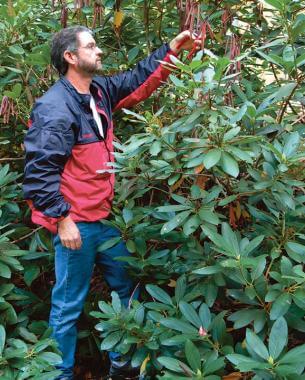
This shrub is listed under names including Viburnum trilobum and forms of Viburnum opulus with the American designation. Confirm which plant is offered, since related European plants are different. NC State notes its limitations in hot, humid climates. Allow shrub-sized space rather than squeezing it into a perennial border.
Buy responsibly and establish patiently
Use nursery-propagated plants or seed from a reputable regional supplier. Keep labels and a planting map. Do not dig plants from natural areas to fill a new bed. Ask about source material and mature behavior, especially for plants that spread by runners or seed.
Water new plants according to root-zone moisture and weather, then adjust as they establish. Remove weeds before they seed, and learn what the desired seedlings look like before pulling them. Use mulch and fertilizer only where appropriate to the planting; neither rich compost nor a thick mulch layer suits every native habitat.
Review the garden across seasons
Observe which plants thrive, which need repeated intervention and where gaps remain. Make small changes rather than assuming failure means all native plants are difficult. A planting that is too wet, too shaded or too crowded may need different species rather than more inputs.
Leave useful seasonal structure where it fits the garden and local conditions, while maintaining paths, visibility and access. Native gardening remains gardening: the work changes as the planting matures, but it does not disappear.