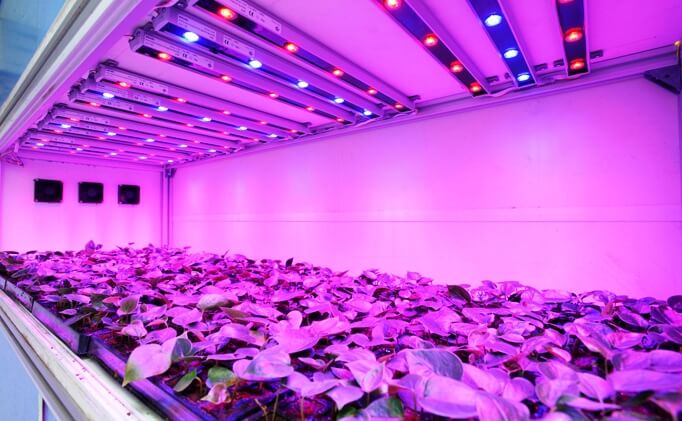
An LED grow light can supplement a dim window or provide light for indoor seedlings. Its value comes from delivering suitable light to the plants you are growing, not from a guaranteed percentage increase in growth or harvest speed.
What an LED grow light can help with
Plants need enough light for photosynthesis. When natural light is insufficient, a suitable fixture can help prevent weak, stretched growth. The University of Minnesota’s indoor-lighting guide explains how plant requirements and the available light affect growth. More light is not always better: excessive intensity or unsuitable placement can damage plants.
Match the fixture to the crop and space
A shelf of seedlings and a mature fruiting plant have different requirements. Compare the fixture’s intended use, coverage at the recommended hanging height and light-output information. Electrical wattage describes power use; it does not by itself tell you how much useful light reaches every leaf.
Choose a fixture that covers the whole growing area rather than concentrating light on the center. Follow its starting height recommendations and adjust as plants grow. Pale or stretched growth may indicate insufficient light, while bleaching or scorching calls for checking both light intensity and heat. Water, nutrition, temperature and root health also affect growth, so diagnose the whole setup.
Use a schedule appropriate to the plants
A timer makes a consistent lighting schedule easier. Seedlings, foliage plants and flowering crops need different conditions; do not assume every plant should be lit continuously or on the same schedule. Use crop-specific guidance for light duration and provide the appropriate dark period. The University of Maryland’s seed-starting guide is a useful starting point for vegetable transplants.
Compare efficiency and heat realistically
LED fixtures can be an efficient choice, but savings depend on the actual products and the amount of useful light delivered. Replacing one light with another does not automatically halve electricity use. To estimate consumption, multiply input watts by daily operating hours and divide by 1,000. A 40-watt fixture operated for 14 hours uses 0.56 kWh per day; multiply that by your electricity rate for its approximate daily cost.
LED fixtures still produce heat. Keep their ventilation openings clear and follow spacing and installation instructions. Check whether the fixture is suitable for the moisture exposure in your growing area, and keep electrical connections away from watering spills.
Check lifespan, maintenance and disposal
Use the manufacturer’s rated life and warranty for the exact fixture rather than assuming 100,000 hours or years without maintenance. Drivers, fans where fitted and other components may need service even when the LEDs still work. Follow cleaning instructions with the unit disconnected and cool.
Recycling options depend on the fixture and local collection rules. Do not describe an entire electrical product as universally recyclable or free of hazardous materials without supporting product information. Check local electronics-recycling guidance when replacing it.
A suitable grow light is one part of a growing system. Choose it for the crop, coverage and operating conditions; it cannot guarantee faster harvests, healthier food or successful vegetables in every indoor space.