

Most landscaping problems are easier to solve once you identify the cause. A bare patch may be too shady, compacted, dry or waterlogged; replacing the plants without checking the site can simply repeat the failure. Start by observing sunlight, soil moisture, runoff and how the area is used.
Photograph problem areas after rain and during dry weather. Note where water enters and leaves, what survives nearby and which maintenance jobs take the most time. Use those observations to choose a practical response from the ten situations below.
1. Rocky soil makes planting difficult

Distinguish scattered stones from shallow soil over bedrock. Removing a few loose stones from a planting hole is a different project from changing an entire rocky slope. Work with the existing landform where possible, choosing plants suited to its soil depth, drainage and exposure.
A rock garden can be attractive, but rocks alone do not establish that a site suits every alpine plant or succulent. Some rocky ground stays wet in pockets. Observe those differences before arranging plants.
Containers or appropriately designed raised planting areas may provide another option. Avoid burying existing tree roots or changing drainage simply to create a deeper bed. Large unstable rocks and steep ground need assessment before moving material.
2. Soil is washing or blowing away
Erosion is the movement of soil by water, wind or other forces; it is not simply a symptom of dryness. Look for bare soil, channels below downspouts, worn footpaths and concentrated runoff. Address the source of the flow as well as the exposed patch.
Maryland Extension recommends keeping soil covered to reduce erosion. Suitable vegetation or mulch can protect modest exposed areas, but loose material may wash away where water is concentrated.
Do not assume that adding rocks or a retaining wall automatically solves the problem. A wall must account for drainage, ground conditions and loads. Significant slope movement, erosion near a building or proposed structural work calls for qualified site-specific advice.
3. A sunny area dries out quickly
Check soil moisture before treating every wilted plant as drought damage. Reflected heat, shallow rooting, compacted ground and unsuitable plant selection can all contribute. Group plants with similar water needs so one irrigation routine does not overwater some and underwater others.
Xeriscaping is broader than planting cacti or imported desert plants. Colorado State University’s water-wise design guidance emphasizes matching the landscape to the site and its use. Choose locally appropriate, noninvasive plants and plan efficient watering and maintenance.
Newly planted drought-tolerant plants still need establishment care. Retain healthy shade trees where appropriate, and account for their roots when changing nearby planting.
4. Water remains in a low spot
Observe whether ponding follows heavy rain, routine watering or a leaking supply. Check gutters and downspouts, irrigation settings and soil compaction before selecting a remedy. Water near a foundation deserves prompt professional assessment.
A French drain needs suitable design and a lawful, effective destination for the water. A gravel-filled trench without an outlet or appropriate infiltration conditions can simply become another water-filled hole. Do not send the problem toward a neighboring property.
A rain garden may help manage suitable runoff, but it is not a universal fix for permanently saturated ground. Minnesota Extension explains the importance of site selection and infiltration. Wet-tolerant plants can suit some locations once the cause and duration of wetness are understood.
5. Grass or flowers struggle in shade

Measure the light across the day and season. Dry shade beneath a tree differs from moist shade beside a building, and shade-tolerant does not mean a plant can grow without light.
Choose plants for the combination of light and soil moisture. Where turf repeatedly thins, a suitable groundcover, planted bed or mulched path may be more practical. Avoid excavating or piling soil over major tree roots to force a new design.
6. Mushrooms appear in the lawn
Mushrooms often reflect fungal activity in organic matter rather than a lawn disease. Maryland Extension explains that many fungi recycle nutrients or associate with roots. Removing visible mushrooms does not remove the whole fungus.
Correct unnecessary irrigation or drainage faults if present, but do not strip out every piece of organic matter or dig up healthy lawn simply to eliminate mushrooms. Avoid eating unidentified mushrooms and keep children and pets from consuming them. If mushrooms accompany declining trees or other symptoms, seek identification and assess the affected plant.
7. The yard lacks privacy

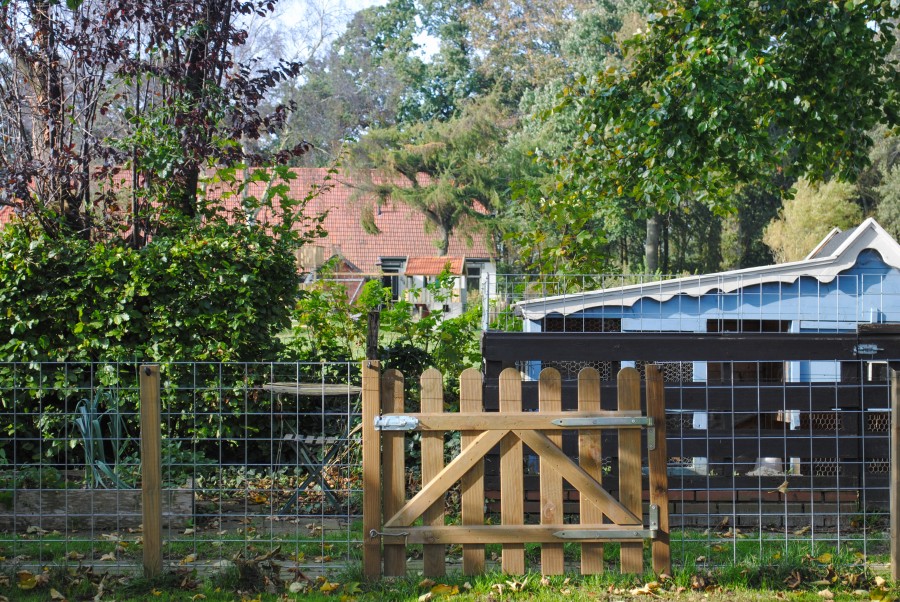
Identify the sightline you actually want to screen: a seating area may need a smaller intervention than the entire boundary. Compare a planted screen, trellis or fence by mature size, seasonal coverage and upkeep.
Allow plants enough space to reach their expected width without constant hard pruning. Check boundary, utility and local installation requirements before placing structures. A vine-covered frame still needs support, inspection and pruning; it is not a maintenance-free wall.
8. Insects or wildlife damage plants
Identify the animal or insect before treating. Chewed leaves, missing seedlings and wilting can have different causes. Consider whether the damage is significant enough to need control, and protect beneficial insects while choosing a response.
Use exclusion or cultural changes where suitable: barriers must match the animal and remain properly maintained. Repellents are not guaranteed to work, and ordinary scented soap is not a dependable universal control.
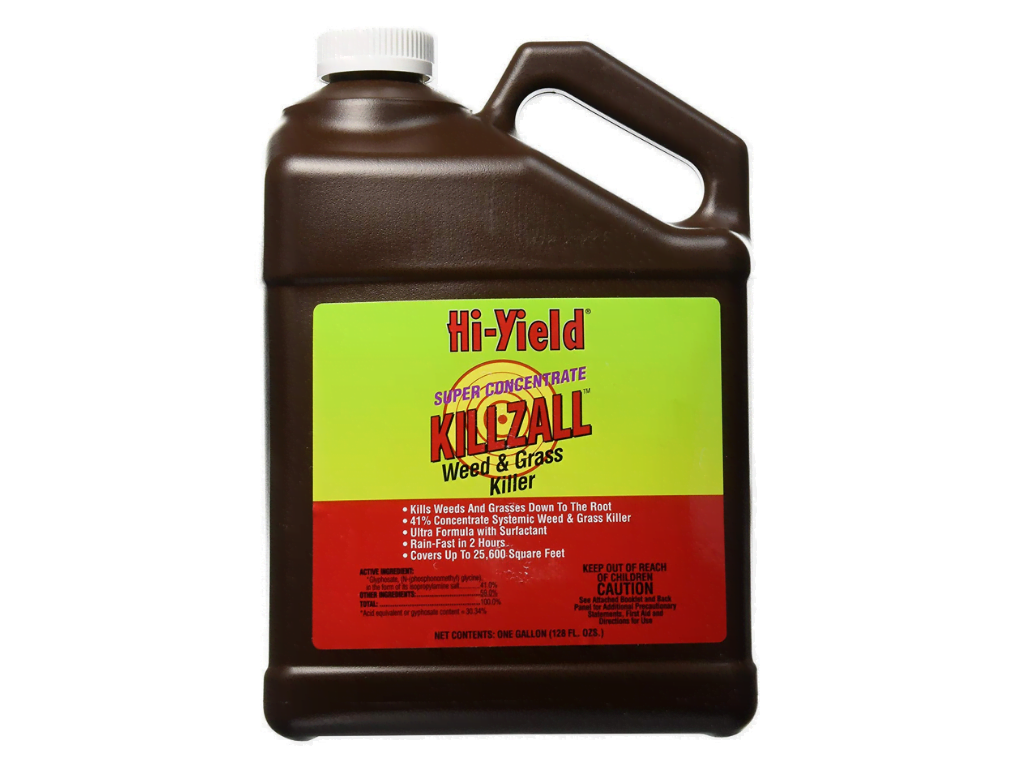
Organic pesticides are not automatically harmless. If a pesticide is necessary, use a product labeled for the pest, plant and location and follow its directions. Do not apply unspecified poisons around the garden.
9. Weeds keep returning
Identify whether the problem spreads by seed, persistent roots or underground stems. Remove weeds before they set seed where practical, and avoid spreading root fragments of troublesome perennials.
Mulch can suppress many seedlings, conserve moisture and protect soil, but it does not eliminate every weed. Keep it clear of plant crowns and trunks, and choose material appropriate to the site. Hay can introduce unwanted seeds; plastic and stone also have maintenance trade-offs.
Maryland’s landscape management guidance treats mulching, watering and plant selection as complementary practices. Keep checking the bed rather than covering an established infestation and assuming it is finished.
10. Maintenance exceeds the time available
Simplify the jobs that are actually burdensome. Reduce awkward lawn corners, choose plants that fit their mature space, improve watering access and start with fewer beds. A small planting you can maintain is more useful than a complicated design that continually needs rescue.
Stone and timber can reduce some planting work, but they still need cleaning, weed management, inspection and eventual repair. More hard surface may also change heat and runoff. Compare the long-term tasks before replacing the garden with paving.
Work in stages: solve urgent drainage or stability problems first, then plant suitability, then appearance. Record what changes and review the results through a full season before expanding the same solution elsewhere.
Retained image references: rock garden; shaded garden; garden fence.