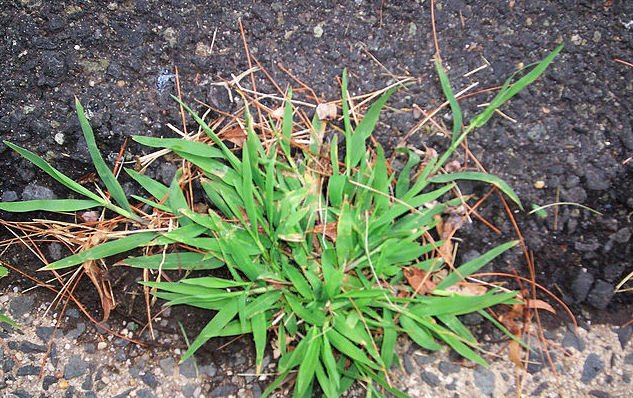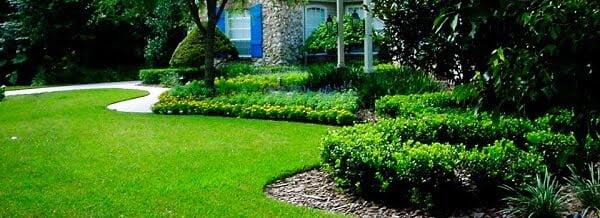
Identify lawn grass from several features together: blade shape, the base of the leaf, growth habit and local growing conditions. Spring color alone is unreliable. A lawn can contain more than one turf species, and a plant considered a weed in one setting may be deliberately grown elsewhere.
Collect useful identification details
Examine an intact shoot with a hand lens if available. Note whether the blade tip is pointed or boat-shaped, whether the blade is broad or fine, and whether the plant forms a bunch or spreads through runners. Look at the junction where the leaf meets the stem; small membranes, hairs or clasping structures can help an identification key.
Photograph the whole patch, a close-up of the leaf tip, the plant base and any seedhead. Include a ruler for scale. Compare more than one plant, particularly if the patch looks mixed. A recently mown tip is not useful for identifying its natural shape.
Common cool-season lawn grasses
Kentucky bluegrass: an intact leaf commonly has a boat-shaped tip, not simply a sharp V point. It spreads by underground rhizomes. Color can be dark green, but color alone cannot confirm the species.
Tall fescue: a cool-season grass despite its relative heat and drought tolerance. It generally has a bunching habit and is coarser than fine fescues. Modern turf cultivars differ from older coarse types, so do not identify it only by a claim that it is always stiff or jagged.
Fine fescues: a group including creeping red, Chewings, hard and sheep fescues, recognized broadly by very narrow leaves. They differ in growth habit and tolerance; fine fescue does not mean every fescue other than tall fescue.
Minnesota Extension’s turfgrass guide compares these species and perennial ryegrass. Its regional recommendations are useful context, not a complete list of grasses grown worldwide.
Account for warm-season turf
In warmer regions, your lawn may instead contain bermudagrass, zoysiagrass, St. Augustinegrass or another locally used species. A brown lawn in early spring may be dormant warm-season turf rather than dead cool-season grass. Check planting records and a regional identification guide before deciding it needs replacement.
Do not choose a weed killer from the apparent color or texture of the lawn. Grass tolerance varies among products, making species identification an important part of reading the label correctly.
Recognize the limits of weed clues
Crabgrass is a summer annual, and visible mature plants are not the only stage worth managing. Spreading growth and seedheads can help identification, but several grasses have similar outlines. For a confirmed infestation, use the separate crabgrass management guide.
Witchgrass is another annual grass; hairs and a loose seedhead can be useful clues once the plant develops. A purple tint or height estimate by itself is insufficient. Young or closely mown specimens may need an expert identification.
Creeping thistle, also called Canada thistle, is a broadleaf plant rather than a grass. Its spiny leaves and flower heads belong in a different identification process. Do not group it with grassy weeds when selecting a management method.
Turn identification into an appropriate care plan
Submit a sample or clear photographs to your local Extension office when uncertain. Include the location, sunlight, mowing history and when the patch first appeared. Ask what parts of a sample they need before collecting it.
Once identified, use a species-appropriate mowing height and local seasonal guidance. Fertilizer needs still depend on the site and soil recommendations; identifying the grass does not automatically mean it needs a combined fertilizer and herbicide treatment. Keep the identification and any planting records for future repairs.