Grow saffron from genuine Crocus sativus corms in a sunny place with excellent drainage. Plant during the dormant season, care for the leaves after the autumn flowers fade, and harvest only the red stigmas. A small planting is an enjoyable spice-growing project, but the yield is much smaller than the number of flowers suggests.
1. Buy the right corms

Choose a reputable supplier that labels the plant Crocus sativus. Corms are swollen underground stems, rather than seeds. The flowers are sterile, so seed packets are not the normal way to establish true culinary saffron.
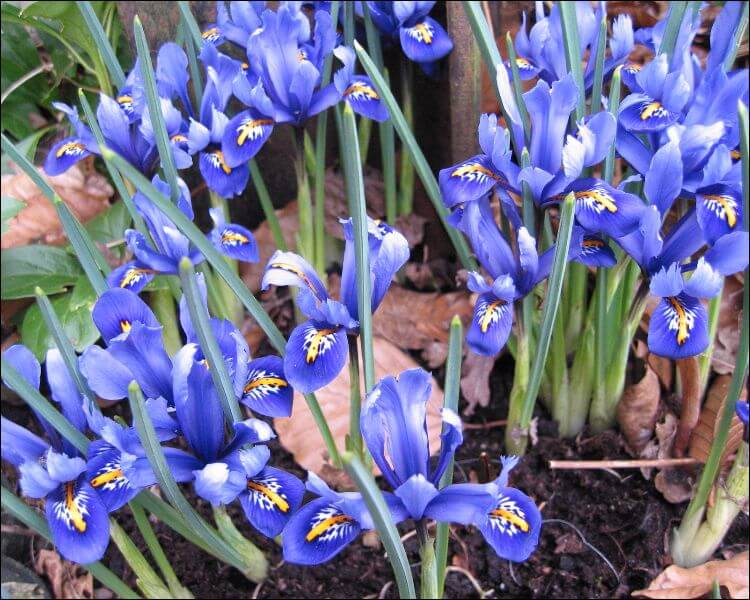
Do not confuse saffron crocus with Colchicum, sometimes sold under names such as autumn crocus or meadow saffron. The RHS warns that Colchicum is highly poisonous. Never harvest a plant identified only by a common name or a photograph.
2. Plan a modest first harvest
Start with the space and conditions you can manage, rather than multiplying family members by meals. Not every newly planted corm flowers, and flower numbers vary with corm size, season and care. Each flower offers just three red stigmas.
The RHS estimates about 150 flowers for one gram of dried saffron. This helps explain the spice’s cost, but it is not a yield promise for a particular number of corms. Record your own flower count before expanding a planting or planning to sell a crop.
3. Prepare a sunny, well-drained bed
Choose a location that will not stay wet, especially during summer dormancy. Remove perennial weeds before planting so you do not have to dig among the corms later. Assess drainage across the site; adding rich material to one small hole does not fix a soggy garden.
For a container, use drainage holes and a free-draining potting mix. Allow room for the planting depth and roots below it. A shallow six-inch pot cannot also provide a six-inch planting depth. Do not add a gravel layer as a substitute for drainage.
4. Plant at the right season and depth
In the UK, the RHS recommends late-summer planting, roughly four inches apart and four to six inches deep. Use those figures as regional guidance, then check the supplier’s instructions and local climate. Set corms with their growing points upward and water them in without leaving the bed saturated.
Cold-region growers should consult local experience. The University of Vermont saffron planting factsheet discusses outdoor beds, containers and protected production in northern Vermont. A method developed for that climate should not be copied unchanged into a hot, rainy region.
5. Follow the plant’s seasonal cycle
Autumn flowering is followed by a period of leaf growth. Those green leaves support the developing replacement corms, so leave them in place after the flowers finish. Wait for natural yellowing and dieback before removing spent foliage.
Water according to soil moisture, rain and active growth, not every fifteen days by default. Avoid prolonged saturation. During summer dormancy, keep the planting from receiving the frequent irrigation intended for thirsty nearby vegetables. Containers need checking because they can behave differently from the ground.
Saffron is not a year-round cold-room houseplant. It needs its seasonal cycle and good light. If growing in a pot, plan where it will receive suitable outdoor or protected conditions rather than keeping it permanently in a dim room.
6. Feed only when needed and divide crowded clumps
Use a soil test and local guidance to decide whether fertilizer is needed. Do not automatically add wood ash, a high-potassium product or several feeds together. Ash can change soil chemistry, and a blanket ban on all nitrogen is not a sound feeding plan.
As described in UVM guidance for home growers, corms multiply over time. When a planting becomes crowded, lift and separate them during dormancy, then replant sound material at suitable spacing. Keep labels with each group. Small cormlets may need several seasons before they flower, so flowering the next year is not guaranteed.
7. Harvest the red threads

Check flowers as they open through the flowering period. The UVM harvesting factsheet distinguishes the flower parts to separate. With clean hands or tweezers, collect the long red stigmas from correctly identified saffron flowers. Leave out the shorter pollen-bearing stamens. There is no reason to discard later flowers because an arbitrary first-five-days window has passed.
Keep the delicate threads clean and separate from soil, damaged petals and other plant material. For a home planting, careful hand collection is more useful than calculations about commercial flower-picking machinery.
8. Dry and store the spice

Spread the threads in a thin layer on a clean surface and dry them gently. The RHS describes room-temperature drying on kitchen towel over a rack for at least 24 hours. Actual drying time depends on humidity; do not seal threads that still contain moisture.
Once fully dry, store in a small airtight container away from light and label the harvest date. Inspect before use and discard material that has become moldy or spoiled. Growing the plant is only part of the process: careful drying and storage protect the small harvest you worked to collect.
Use saffron in the kitchen
Follow a trusted recipe for rice, fish, sauces or baked goods, usually infusing the threads in a little liquid first. Begin with a small amount so you can judge its flavor. The spice contributes color and aroma; ordinary culinary quantities should not be described as a major source of vitamins or as treatment for illness.
For a first season, success means healthy corms, correctly identified flowers and a clean, dry harvest. Expand only after seeing how the crop fits your climate and garden routine.