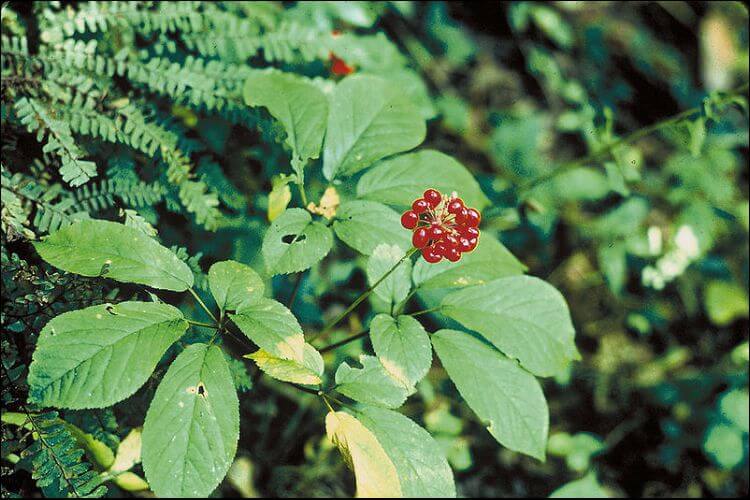
American ginseng (Panax quinquefolius) can be grown in suitable woodland, but it is a slow forest crop, not a quick-return vegetable. Start with a small trial, legally sourced planting stock and a site assessment. A shaded backyard is not automatically a suitable ginseng habitat.
This guide focuses on wild-simulated American ginseng in the United States. Asian ginseng and plants sold under unrelated “ginseng” common names need different identification and growing advice.
Choose a growing method before buying seed
Wild-simulated production uses suitable forest soil with little disturbance. Woods-cultivated production uses more deliberately prepared beds beneath trees. Field cultivation relies on artificial shade and more intensive management. Those differences affect labor, disease pressure and the eventual root crop; instructions for a field bed should not be mixed indiscriminately into a woodland planting.
The University of Kentucky crop profile distinguishes these systems. For a first woodland attempt, plan a small plot you can observe over several seasons before committing a large area or a substantial seed budget.
Check permission and the rules first
Own the site or obtain the landowner’s permission. Before purchasing, planting, harvesting or selling, ask your state or Tribal ginseng program how your intended production method is classified. Check registration, harvest seasons, age requirements, records and sale or transport requirements. Cultivated does not automatically mean exempt from every rule.
International trade in American ginseng is regulated under CITES. The U.S. Fish and Wildlife Service’s dealer and exporter information is a starting point; confirm current requirements with the responsible agency before shipping. A general “harvest at seven years” instruction is neither a legal clearance nor a guarantee of marketable roots.
State details differ. For example, Missouri publishes its own wild-ginseng rules. Use the rules for your location and crop classification, not another state’s calendar. Do not dig wild plants or gather their seeds merely to start a private crop.
Assess shade, drainage and soil
Look for a cool, shaded hardwood-forest setting with organic matter and soil that holds moisture without staying saturated. Assess the site after rain as well as in dry weather. A low pocket that collects water is a poor substitute for well-drained woodland soil.
Use a soil test interpreted for forest cultivation. Calcium, acidity and other site factors matter, but a laboratory result expressed in pounds per acre is not an instruction to add that amount of material. Do not apply annual lime or gypsum without an actual recommendation. Existing woodland plants can offer clues, not proof that ginseng will thrive. Penn State’s ginseng husbandry guide discusses site selection and seed handling.
Avoid clearing an entire understory or cutting trees to fit a recipe. Those changes alter moisture, shade and habitat. Get local forestry or extension advice if substantial site changes appear necessary.
Buy seed with a documented history
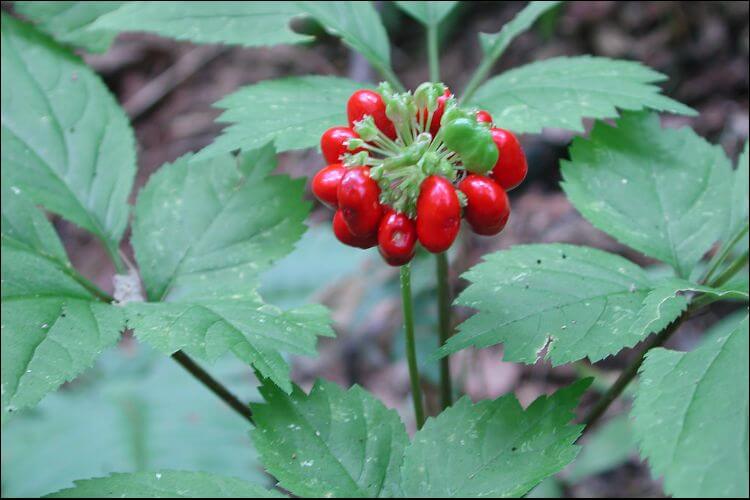
Ask a reputable supplier for the botanical species, seed origin, harvest year, stratification status and expected emergence season. Save the invoice and lot information. If the site already contains a natural population, seek advice before introducing outside stock; this is also a conservation decision.
Stratification is a period of appropriate moist temperature conditions that helps seed complete dormancy, not simply removing berry flesh. Fresh ginseng seed may need an additional seasonal cycle before germinating. Properly stratified seed is therefore different from freshly collected “green” seed. Keep seed from drying out or sitting waterlogged, and follow its supplier’s storage instructions if you cannot sow promptly.
Plant a small wild-simulated trial
- Map the permitted trial area and keep planting dates and seed-lot records.
- In the locally recommended fall planting period, gently move loose leaf litter aside without tilling the forest floor.
- Place seed in the upper soil according to a regional extension plan. Kentucky describes individual planting or raking seed into the top inch, then replacing leaf litter.
- Choose spacing for a low-density woodland planting rather than copying the dense seeding rate of a cultivated bed. Avoid piles of seed in one spot.
- Record emergence and survival before expanding the trial.
There is no need for an improvised bleach soak or a universal homemade storage pit. Seed treatments and pesticides require crop-specific advice and, where used, a legally applicable label.
Care over several growing seasons
Check for erosion, browsing, drought stress and disease without repeatedly disturbing the roots. Keep observation notes: where plants survive can be more useful than the first season’s germination total. Dense planting or continually wet soil can undermine a promising crop.
Learn the difference between a leaf, a leaflet and a “prong” before using plant appearance in records. Size and prong count are not precise substitutes for age. Penn State’s American ginseng profile explains growth stages and why retaining mature seed-producing plants matters.
Harvest and financial expectations
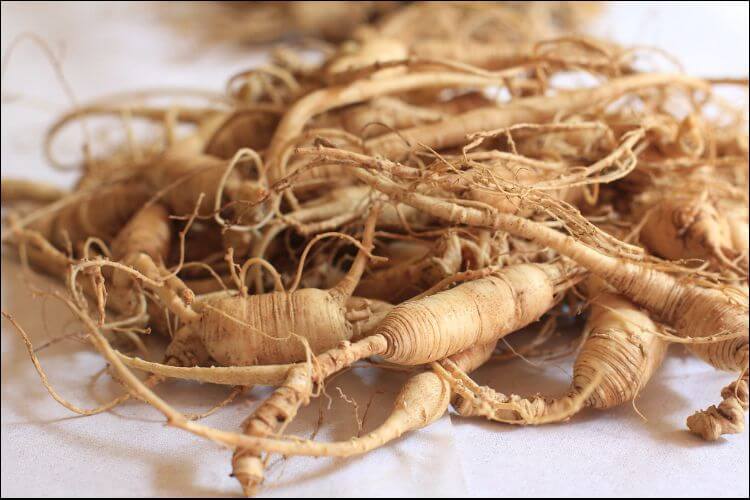
Root harvest kills the plant. Decide in advance whether your aim is long-term seed production, conservation-oriented cultivation or a root crop. Confirm legal eligibility and a buyer’s requirements before digging, drying or transporting anything.
Do not budget from an old headline price per pound. Production method, root quality, losses, buyer requirements and market conditions all affect returns. Track actual costs and survival in the trial before making income projections. Growing ginseng successfully is a site-specific, multi-year undertaking, and neither a harvest date nor a profit can be promised.