Growing raspberry plants starts with choosing a variety suited to your climate and learning which canes carry its fruit. Give the plants sunlight, well-drained soil and room for annual pruning. A small, manageable row is a better first project than several crowded varieties.
Raspberries have long-lived roots, but individual canes have a short life. Understanding that difference prevents the common mistake of cutting away next season’s crop. The six stages below take you from choosing plants to picking ripe berries.
1. Choose raspberry plants for your climate and harvest season
Summer-bearing raspberries produce their main crop on canes that grew the previous year. Fall-bearing, or primocane-fruiting, types can fruit on first-year canes. Some can also give a summer crop from the remaining lower portion of those canes the following year. Your pruning method determines which crop you keep.
Red, yellow, black and purple raspberries differ in growth habit as well as appearance. Color does not reliably rank sweetness or ease of growing. Compare named cultivars for winter hardiness, heat tolerance, disease resistance and ripening time. A late fall crop may not ripen before frost in a short growing season.
The University of Minnesota’s home raspberry guide is useful for northern cultivar selection. Gardeners in warmer regions should use their local extension recommendations rather than treating a northern list as universal. Buy healthy, disease-free nursery plants; seedlings grown from fruit will not reliably reproduce a named cultivar.
2. Choose a sunny, accessible site
Leave room to reach both sides of a row for picking and pruning. Avoid a wet hollow, a cramped corner or a windy position that dries young plants. A nearby fence may offer shelter, but do not pack canes against it so tightly that air cannot move through the planting.
Check the site’s history before buying plants. Wild brambles and infected planting stock can introduce disease. The University of Maryland’s bramble guide discusses separation from wild brambles and disease considerations. There is no single 98.4-foot rule that makes every mixed berry garden safe. Ask locally about previous crops and known soilborne disease problems.
3. Test and prepare the soil
Raspberries need drainage as well as moisture. Persistent standing water calls for a better site or a properly designed raised growing area, rather than extra fertilizer. Remove perennial weeds before planting and incorporate suitable compost where soil improvement is needed.
Use a soil test to decide whether pH or nutrients need adjustment. Sulfur lowers pH; it is not the remedy for soil that is already too acidic. Lime may be recommended to raise pH, but the amount depends on the soil test. The University of Minnesota explains this distinction. Do not add either material by guesswork, and do not assume compost alone will correct the result.
4. Plant and support the row
Plant dormant bare-root canes during the locally recommended dormant planting season, when soil is workable. Container plants have different handling needs; protect tender new growth from frost and harden off plants raised under cover. Keep roots from drying while you prepare the site.
Dig to fit the actual roots rather than using a fixed four-inch hole. Follow the nursery’s planting-depth instructions for the stock supplied, spreading bare roots without bending them into a tight knot. Firm gently and water the root area thoroughly.
Spacing depends on raspberry type and training system. The RHS raspberry guide describes row planting and support options. Plan supports before the canes become tangled, and allow access beyond the ends. Red raspberries can send suckers outside the row; remove unwanted shoots rather than letting the patch fill every gap.
5. Water, feed and prune for the right crop
Check soil moisture regularly during establishment and fruit development. A fixed watering interval of once every two weeks is unreliable: sandy soil, heat, rainfall and plant size change demand. Apply water to the root zone without keeping it waterlogged. A mulch can reduce moisture loss and weed competition; keep it clear of the cane bases.
Base feeding on soil results and local advice. Neither an organic label nor a large dose guarantees a better crop. If growth is poor, check moisture, weeds and disease before adding more fertilizer.
- Summer-bearing red or yellow raspberries: remove canes that have finished fruiting, keeping healthy new canes for the next summer.
- Fall-bearing types grown for one fall crop: remove all canes during the appropriate dormant period before new growth. This gives up the early summer crop.
- Fall-bearing types kept for two crops: retain the unfruited lower cane portions and use a cultivar-specific pruning guide.
- Black and purple raspberries: use their own tipping and lateral-pruning instructions; do not assume the red-raspberry method is identical.
Label the variety and record which canes fruited. That small habit is more useful than cutting every cane that happens to look old. Remove damaged or diseased material and seek a diagnosis for persistent decline.
6. Harvest gently and use berries promptly
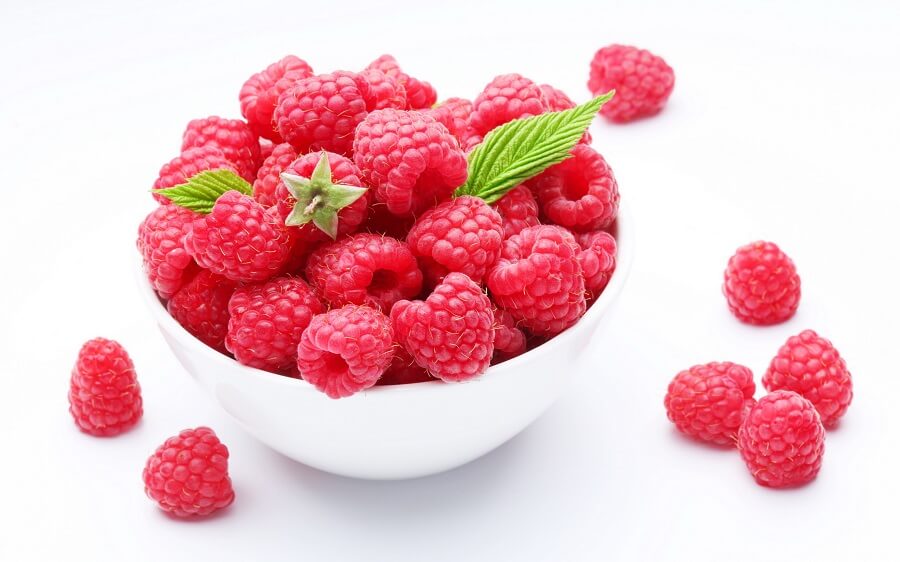
Pick when the fruit has developed its normal ripe color and releases readily with a gentle pull. Check the patch often during harvest, using shallow containers so the berries do not crush one another. Different cultivars ripen at different times; harvest is not limited to late summer.
Cool picked berries promptly and wash them just before use. Eat them soon, freeze a surplus, or use a tested preservation recipe if making shelf-stable jam. Keep notes on flavor, harvest dates and winter survival before deciding whether to expand the planting.
Featured image credit: original source.