

Growing tomatoes indoors in winter is possible, but ripe fruit takes more light, space and attention than keeping a houseplant alive. Start with one compact plant and a realistic lighting plan. A bright-looking window may not provide enough light for a crop through short winter days.
These five steps cover indoor containers rather than a heated greenhouse or a hydroponic system.
1. Choose a compact tomato
Look for a cultivar whose supplier specifies small-container or indoor suitability. Check mature height and spread, not just fruit size. “Cherry tomato” describes the fruit; many cherry varieties become large vines.
Utah State Extension’s winter-tomato guidance identifies indoor containers as a possible hobby approach, emphasizing small varieties and adequate lighting. Plan space for the mature plant and its support before ordering seed.
2. Plan light and temperature
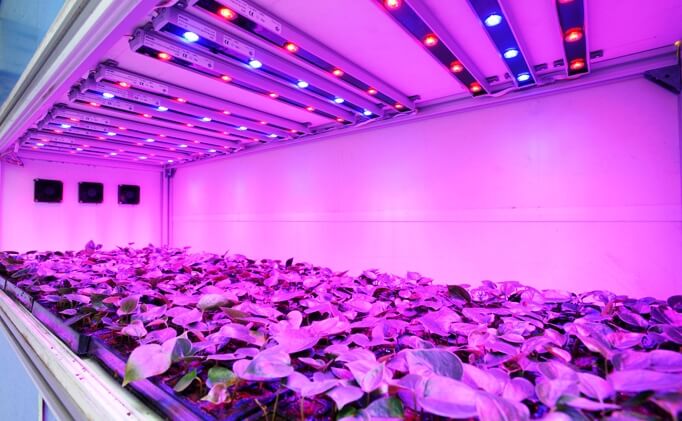
Observe the window throughout the day, including cloudy weather. Buildings, trees and the season affect available light. If needed, use a grow light suited to fruiting plants and follow its coverage, mounting-distance and electrical instructions.
Use a timer with a regular dark period. Keep foliage away from cold glass, drafts and hot heating outlets. Extra fertilizer cannot replace the light energy needed for fruit.
3. Start clean seedlings and provide root space
Use clean containers and seed-starting mix, following the packet’s sowing depth. Keep moist without saturation, then give developing seedlings room rather than leaving a dense cluster in one cell.
Choose a final pot appropriate to the cultivar, with unobstructed drainage and suitable potting mix. Install stable support early. The University of Minnesota tomato guide explains bush and vining growth habits and their implications for limited space.
Protect the floor without leaving the pot in drained water. Keep watering away from lights and electrical connections. Starting indoors also avoids some pests that can arrive on a mature garden plant brought inside.
4. Water, feed and inspect
Check the mix and container weight rather than following a fixed daily schedule. Water when needed, allow drainage and empty collected water. A small plant in winter light may use much less water than a large plant under strong lights.
Use fertilizer labeled for the crop and container situation, allowing for nutrients already in the mix. Record watering, feeding and leaf changes. Yellow leaves alone do not identify a missing nutrient; inspect moisture, roots, light and pests too.
5. Help flowers set fruit and harvest patiently
Tomato flowers are self-fertile, but indoor conditions may provide little movement to release pollen. Gently vibrating a flower cluster can help without damaging it. Suitable conditions and a healthy plant still matter; this does not guarantee fruit.
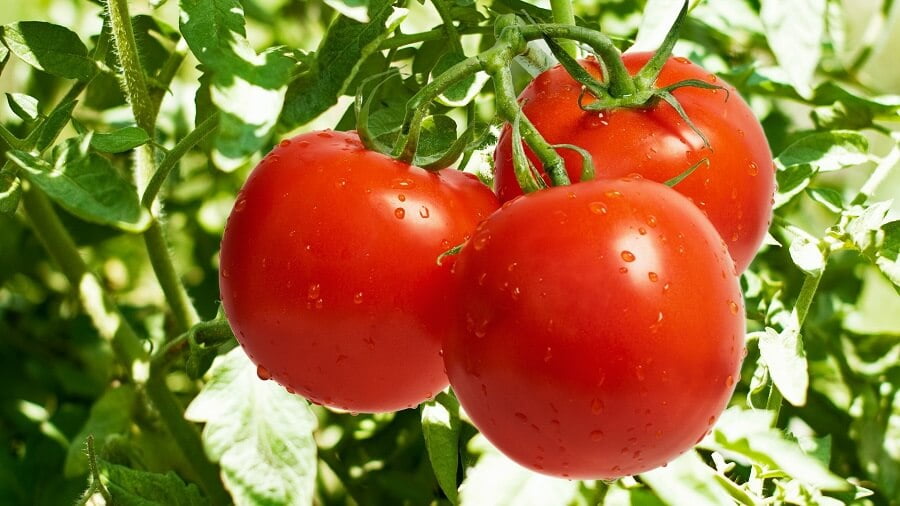
Harvest according to the cultivar’s ripe color and firmness, not a universal red color or brown stem. Remove damaged fruit and wash sound tomatoes before eating. Continue inspecting leaf undersides for pests.
Treat the first winter as a small trial. Record variety, lighting and harvest so you can decide whether to expand. A few tomatoes can be satisfying even when the setup is not economical compared with buying them.
Image Source: here.