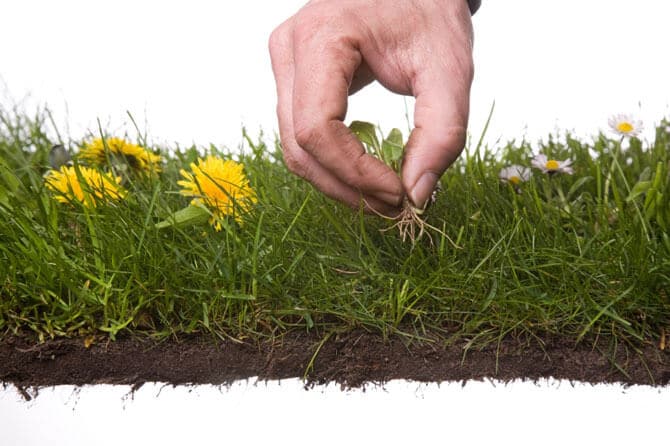
A weed is a plant growing where it is unwanted. Some spontaneous plants can cover bare ground or feed insects, but those benefits do not make every weed suitable for a vegetable bed. Identify the plant and consider its spread, competition and safety before deciding whether to keep it.
Four things to know about garden weeds
1. Vegetation can protect bare soil
Plant cover and roots can help protect soil from erosion. That does not mean leaving an unidentified or invasive plant to spread is the best solution. Mulch, a suitable cover crop or deliberately planted ground cover gives you more control over what grows there. Identify troublesome plants before choosing a removal method, especially plants that can irritate skin.
2. Weeds use water and nutrients, too
Root depth varies by species and soil conditions. It is not reasonable to assume weeds will draw up underground water and share it with nearby vegetables. They can instead compete with crops for water, nutrients and sunlight. The University of Minnesota’s weed-control guidance explains why early control matters in home gardens.
Plant residues can contribute organic matter as they decompose, but burying weeds is not always a solution: seeds and persistent roots may survive or regrow. Use a disposal method appropriate to the identified weed rather than turning every plant back into the bed.
3. Some flowers support useful insects
Some plants considered weeds provide flowers that insects use. That is different from saying weeds generally repel pests or protect your crops. A planned planting of suitable flowering species can support beneficial insects without allowing aggressive plants to take over. Consider local invasive-species guidance and the needs of the insects you want to support.
4. “Weed” does not mean edible
Do not eat an unidentified garden plant. Common names can refer to different species, and lookalikes can be poisonous. Edibility also depends on the plant part and other factors; cooking does not make an unknown plant safe. A short online list or photograph is not enough to establish that a plant is safe to eat.
Poison Control’s plant guidance stresses accurate identification. If you want to explore edible wild plants, seek qualified local identification and food-safety guidance before collecting anything. Plants from chemically treated or contaminated sites raise additional concerns. For ordinary weed management, there is no need to taste a plant to decide what to do with it.
The useful question is whether a particular identified plant belongs in a particular place. Keep beneficial vegetation deliberately, and control weeds where they compete with crops or create a hazard.